News

  • News

Everything You Need to Know About Lip Fillers

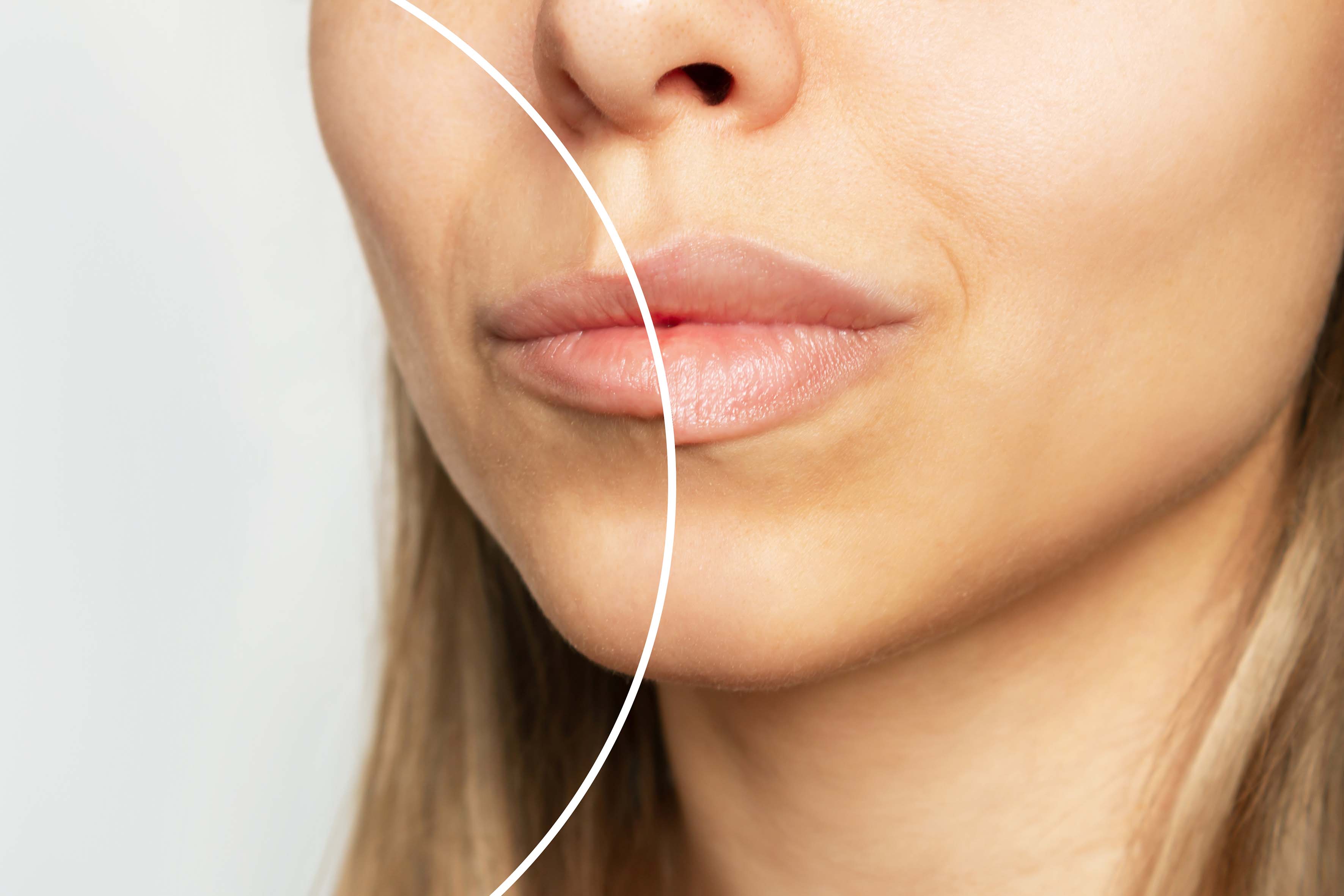
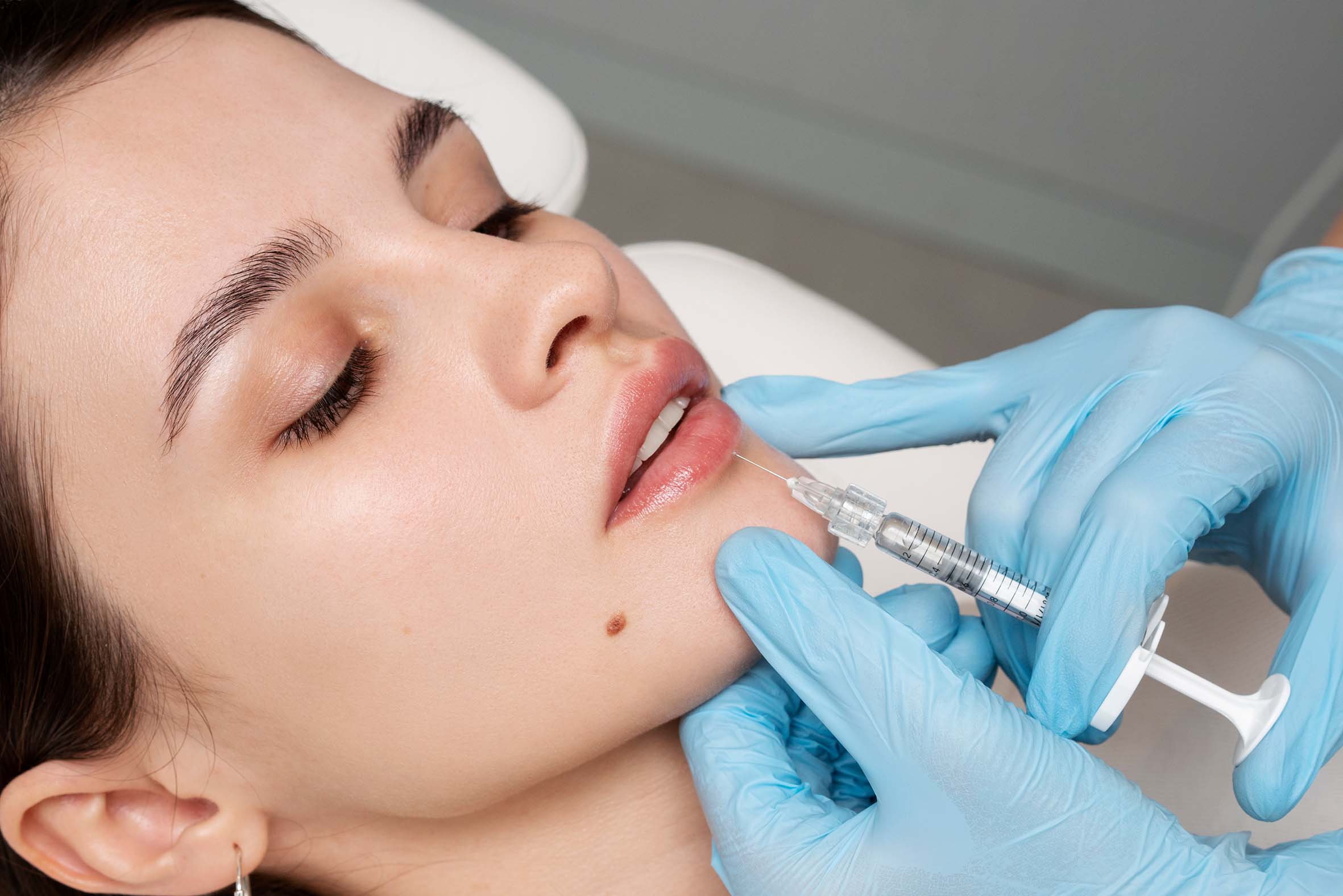
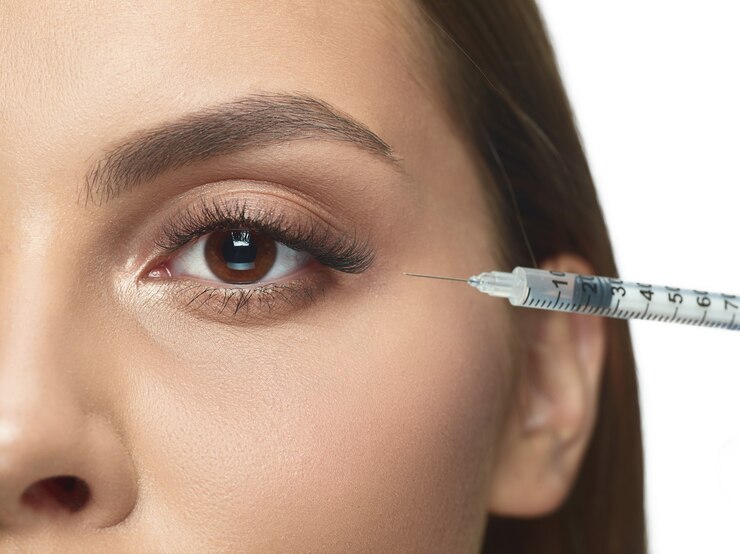
Lip fillers have become one of the most popular aesthetic procedures in recent years. This is because they offer an effective solution for those who want fuller, more defined, and symmetrical lips. So, how are lip fillers done, and what should you pay attention to? What Are Lip Fillers? Lip fillers are a procedure performed to add volume to the lips, shape them, and correct asymmetries. Hyaluronic acid-based fillers are commonly used. These fillers are compatible with the skin, ensuring natural and safe results. The filler procedure helps the lips appear younger, fuller, and smoother. It also enhances lip contour and reduces fine lines around the lips. How is It Done? The lip filler procedure usually takes between 15 and 30 minutes. First, an anesthetic cream is applied to the lip area. This minimizes any pain felt during the procedure. Then, the filler material is injected using fine-tipped needles or cannulas. The amount of filler is determined based on the individual's lip structure and desired appearance. After the procedure, slight swelling or redness may occur. These effects disappear within a few days. Who is It Suitable For? Lip fillers are suitable for individuals who want fuller and more defined lips. It is also preferred by individuals whose lip volume has decreased due to aging. It is an effective method for those who want to define their lip contour or correct an asymmetrical lip structure. However, it is not recommended for pregnant women, nursing mothers, and individuals prone to certain allergic reactions. Individuals who are sensitive to filler materials should consult their doctor before undergoing the procedure. What Should Be Considered After Lip Filler? The aftercare process following lip filler is very important. Pressure should not be applied to the lips within the first 24 hours after the procedure. Additionally, hot beverages and excessive facial expressions should be avoided. Rubbing or massaging the lips can cause the filler to spread unevenly. Cold compresses can be applied to reduce swelling and edema. Drinking plenty of water and moisturizing the skin also speeds up the healing process. Makeup should be avoided for a few days after the procedure.   How Long Does the Effect of Lip Fillers Last? The longevity of lip filler treatment varies depending on the filler material used and the individual's metabolism. It generally lasts between 6 and 18 months. Hyaluronic acid-based fillers are absorbed by the body over time. Therefore, they need to be repeated at regular intervals. To maintain the effects of the filler for a long time, healthy lifestyle habits should be followed. Smoking and alcohol consumption can shorten the life of the filler. In addition, regularly using lip care products and protecting your lips from the sun helps maintain the effects of the procedure for a longer period of time. What You Need to Know Before Getting Lip Fillers There are some important points to consider before getting fillers. First, the procedure must be performed by a qualified and experienced doctor. Poor-quality filler materials or incorrect techniques can lead to serious health problems. In addition, the person's health status should be evaluated before the procedure. It is important for individuals who use blood-thinning medications or have immune system disorders to obtain a doctor's approval. Frequently Asked Questions (FAQ) Does Lip Filler Hurt? Thanks to the anesthetic creams used during the procedure, pain is minimized. Mild sensitivity may occur after the procedure. When Will My Lips Return to Normal After Fillers? There may be slight swelling for the first few days. However, lips usually return to normal within 3-7 days. Is Lip Filler Permanent? Hyaluronic acid-based fillers are not permanent. They are absorbed by the body within an average of 6–18 months. Does Lip Filler Provide a Natural Appearance? The appropriate amount of filler must be selected to achieve a natural appearance. Excessive filler injections can result in an artificial appearance. Can I Exercise After Getting Fillers? Avoid strenuous exercise for the first 24 hours. Exercising can accelerate blood flow and cause the filler to spread unevenly.

read more

What is Laser Skin Rejuvenation, and What Are the Methods?

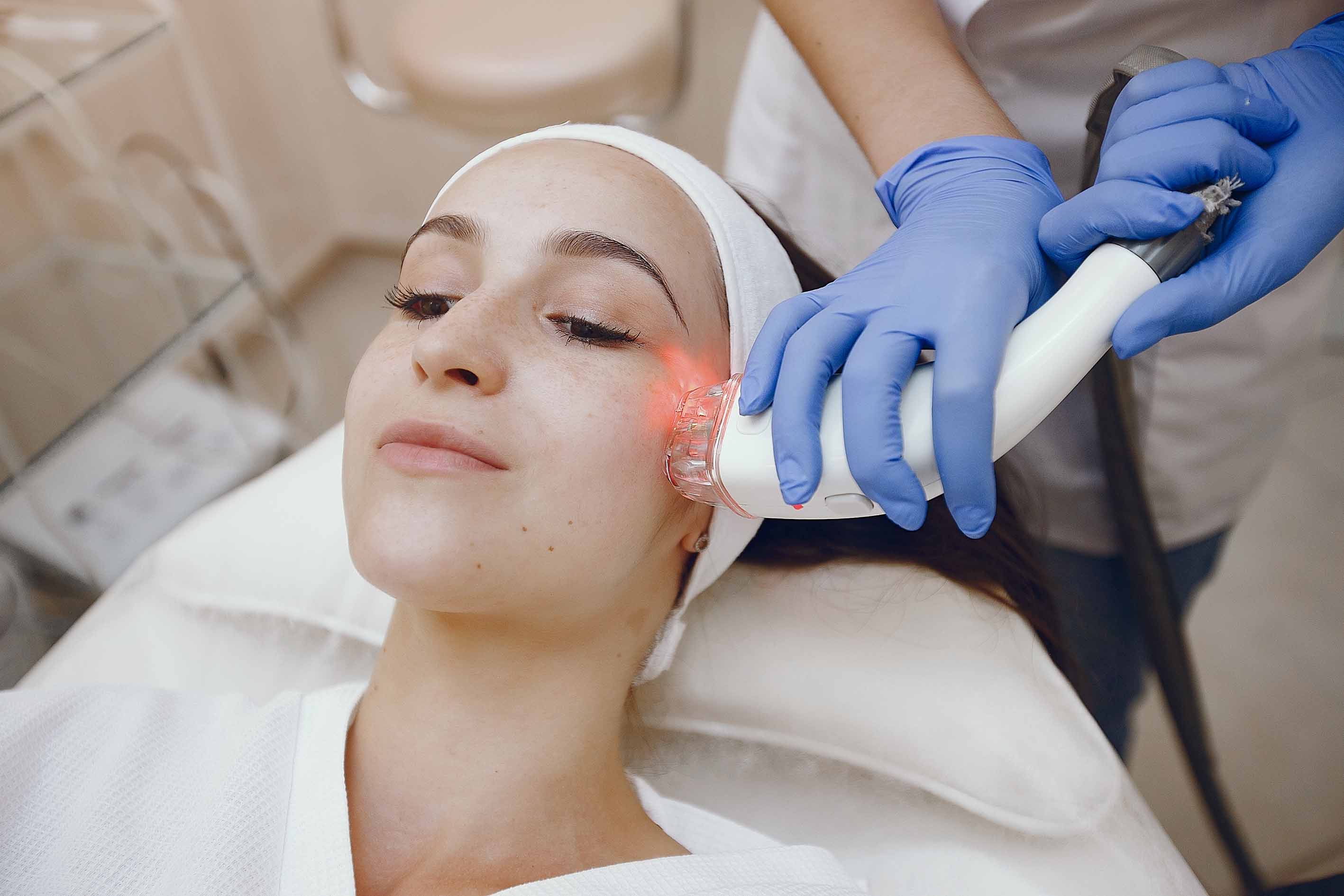
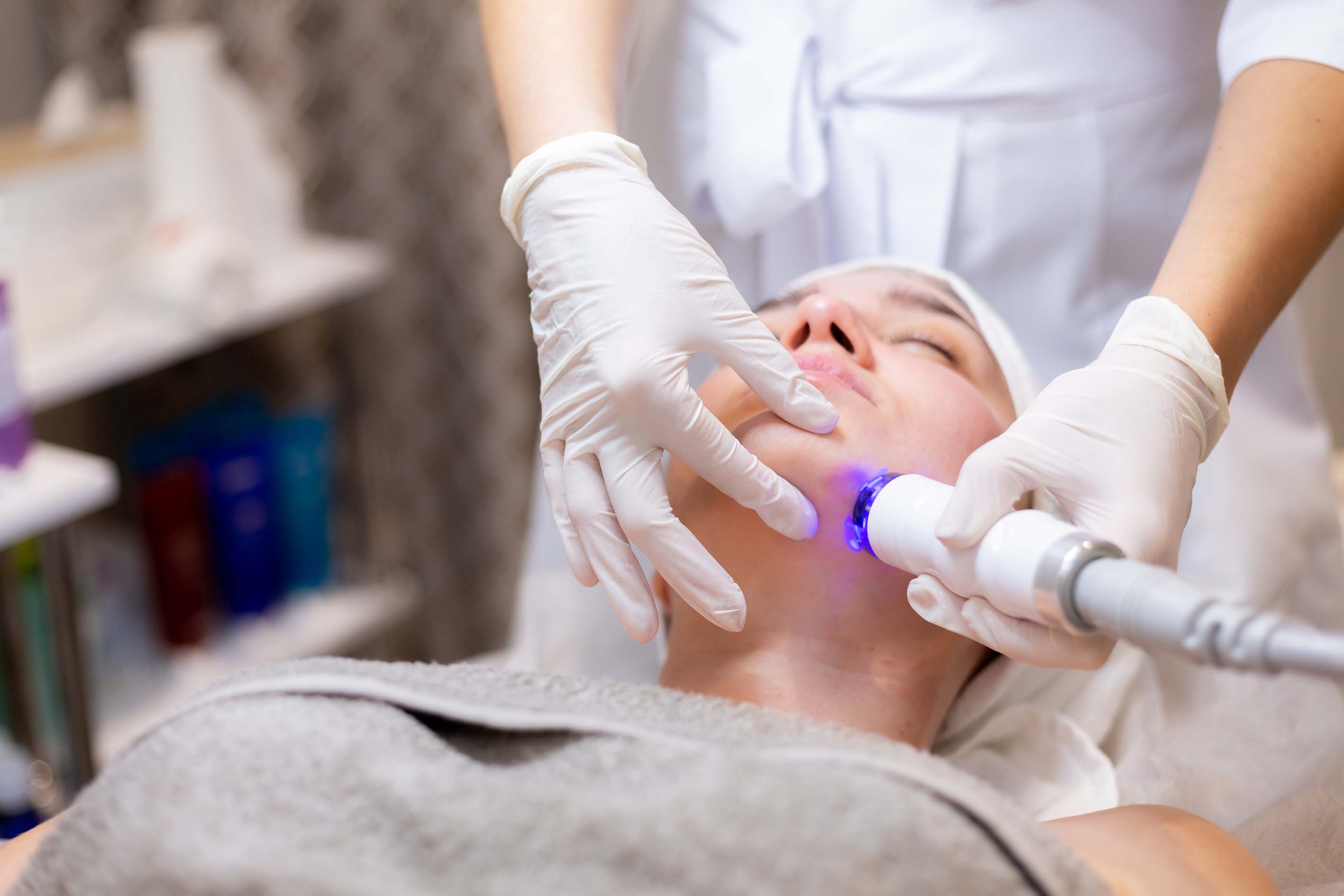
Over time, our skin can lose its vitality due to the effects of sunlight, stress, environmental factors, and aging. Fine lines, wrinkles, spots, and uneven skin tone become more pronounced. However, thanks to modern technologies, it is now possible to rejuvenate the skin and achieve a more youthful appearance! Laser skin rejuvenation is an effective method that stimulates the lower layers of the skin, increasing collagen production and tightening the skin. So, how does laser skin rejuvenation work, and what methods are used? What is Laser Skin Rejuvenation? It is a procedure that stimulates the lower layers of the skin, promoting skin renewal. It reduces problems such as wrinkles, blemishes, and sagging on the skin. In addition, collagen production is accelerated thanks to laser energy. The skin gains a firmer and younger appearance. How Does It Work? Laser beams cause controlled damage to the upper or lower layers of the skin, causing the skin to repair itself. This process triggers new collagen and elastin production, helping the skin gain a firmer, smoother, and more vibrant appearance. The procedure can be performed using different laser technologies depending on skin type and needs. Laser Skin Rejuvenation Methods It is performed using different methods. The most suitable method is selected according to skin type and needs. The application methods are as follows: Fractional Laser: Fractional laser focuses on specific areas of the skin. It promotes renewal in the upper and lower layers of the skin. It is effective for acne scars and fine wrinkles. Laser beams exfoliate the skin, supporting new skin formation. There are various types, such as fractional carbon dioxide laser and fractional erbium laser. IPL (Intense Pulsed Light): IPL laser is used in spot treatments. It removes sun spots and skin tone irregularities. Advantages of Laser Skin Rejuvenation This procedure offers many advantages. These advantages are generally as follows: It increases collagen production. It evens out skin tone. It reduces wrinkles. It smooths skin texture. It provides long-term results. What is Laser Skin Rejuvenation, and What Are the Methods? Things to Consider After the Procedure There are some points to consider after laser skin rejuvenation. These are as follows: The skin should be moisturized. Sunscreen should be used. Avoid contact with hot water in the first few days. Avoid cosmetic products that may irritate the skin.   Who is It Suitable For? It is suitable for many people. However, caution is required in some cases. The situations requiring caution are as follows: It is not recommended for pregnant women. It is not suitable for people with open wounds. People with skin diseases should consult their doctors. How Many Sessions Are Required? The number of sessions varies depending on the condition of the skin. It is usually completed in 3-6 sessions. Each session lasts an average of 30-60 minutes. Are There Any Side Effects? Laser skin rejuvenation may have some side effects. Redness, slight swelling, and sensitivity may occur. However, these effects disappear within a few days. Frequently Asked Questions (FAQ) Is Laser Skin Rejuvenation Painful? A slight burning sensation may occur during the procedure. However, this sensation is reduced thanks to anesthetic creams. Can I Apply Makeup Immediately After the Procedure? Makeup should not be applied for the first 24 hours. Makeup can be applied once the skin has completely healed. Is Laser Skin Rejuvenation Permanent? The results last for a long time. However, the aging process continues. Therefore, repeating the procedure at regular intervals increases its effectiveness. Can It Be Done in Any Season? The most suitable time is during the fall and winter months. Protection from sunlight is important during the summer months. When Does the Skin Renew After the Procedure? The skin usually renews within 1-2 weeks. Full results are seen within a few months.

read more

Rosacea- What It Is, Its Symptoms, and Treatment

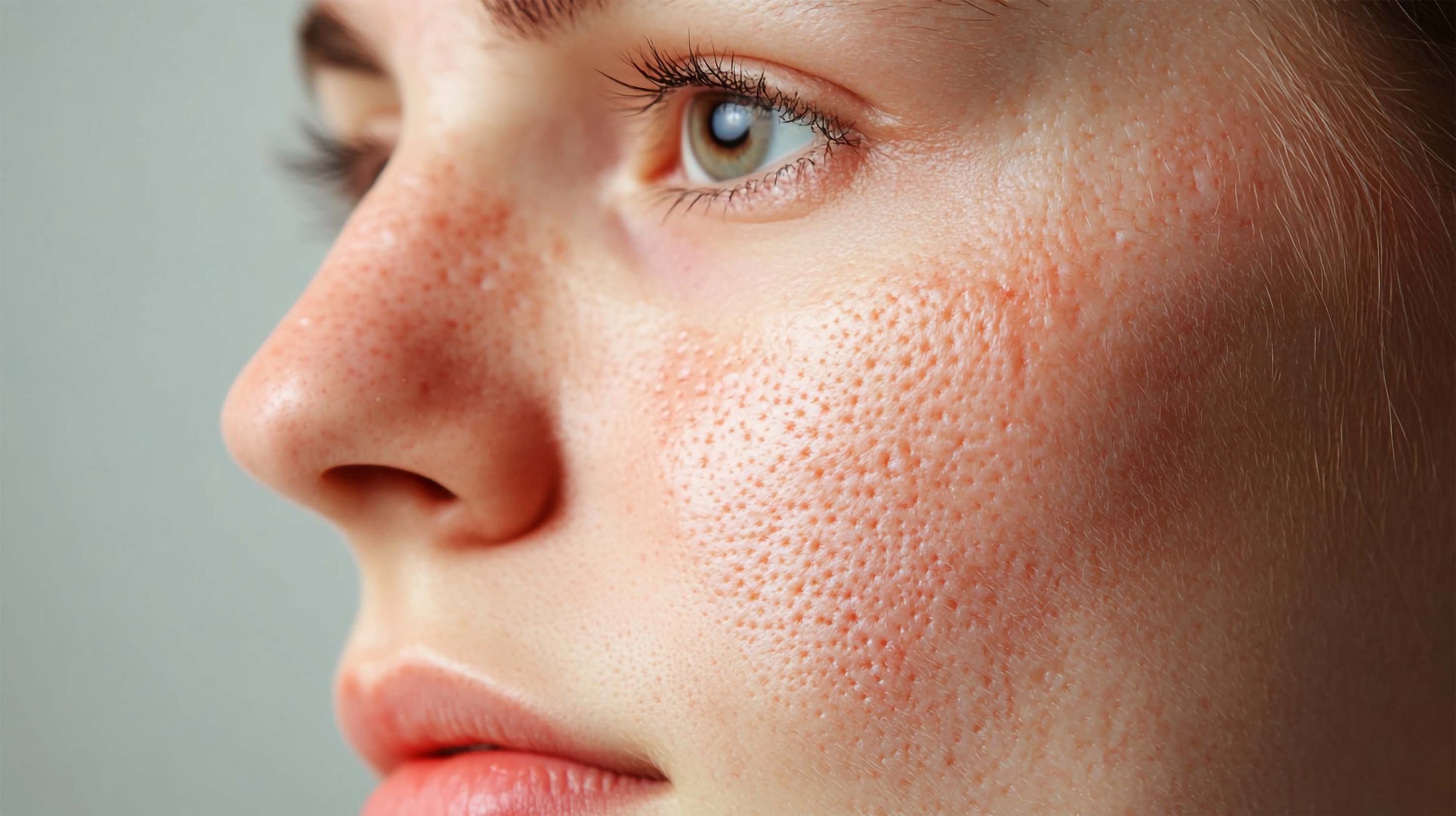
Rosacea is a chronic skin condition characterized by facial redness, visible blood vessels, and acne-like bumps. This disease typically affects the face, most commonly appearing on the cheeks, nose, forehead, and chin. It is more common in individuals with sensitive skin and progresses over time if left untreated. What is Rosacea? Rosacea is a disease characterized by skin redness, burning sensation, and dilated blood vessels. It is a chronic condition that flares up periodically. It usually starts with mild redness and becomes permanent over time. The exact cause is unknown. However, genetic predisposition, immune system responses, and environmental factors are thought to play a role. Although it is more common in women, it tends to be more severe in men.   What Are The Symptoms? The symptoms of rosacea can vary from person to person. However, the most common symptoms are as follows: Frequent and noticeable flushing attacks on the face Capillary dilation and visible blood vessels Pimple-like blisters and swelling Burning and stinging sensation Dryness, itching, and irritation in the eyes Skin sensitivity These symptoms worsen over time. Complaints increase with triggers such as hot weather, spicy foods, alcohol, and stress. What Are The Causes of Rosacea? The exact cause of rosacea is not fully understood. However, many factors play a role in its development. Genetic Predisposition: It is more common in individuals with a family history of the disease. Immune System Sensitivity: An overreaction of the immune system to bacteria on the skin or other triggers causes the disease to develop. Blood Vessel Disorders: Vascular dilation and weakness in the vessel walls lead to persistent redness in the skin. Environmental Factors: Elements such as hot weather, sun, spicy foods, alcohol, and stress worsen the symptoms. Rosacea: What It Is, Symptoms, Treatment Rosacea Treatment There is no definitive cure for rosacea. However, many methods are used to alleviate the symptoms. These methods are as follows: Topical Treatments: Topical creams and ointments are used in mild cases. These include medications containing metronidazole or azelaic acid. Sulfur creams can also be used. Antibiotic Treatment: For moderate or severe cases, oral antibiotics, especially tetracycline antibiotics, can alleviate the symptoms of the disease. Medications: Stronger medications may be required for severe forms of the disease. These include isotretinoin (a vitamin A derivative). However, these medications should be used with caution as they may have side effects. Laser Treatment: Laser treatment can be used to reduce the persistent redness and dilated blood vessels associated with rosacea. There are different types of lasers that can be effective on redness and blood vessels. Lifestyle Changes:Rosacea can be triggered by stress, temperature changes, alcohol, spicy foods, and certain skin care products. Avoiding these factors can alleviate symptoms. Skin Care: It is important to use gentle, alcohol-free products in skin care routines. Avoid drying out the skin and protect it from sunlight. Frequently Asked Questions (FAQ) Is Rosacea Contagious? No, rosacea is not contagious. However, it may be related to genetic predisposition. Does Rosacea Heal Completely? As it is a chronic disease, it does not heal completely. However, it can be controlled with treatment. Which Foods Worsen Rosacea Symptoms? Spicy foods, alcohol, caffeine, and hot drinks increase symptoms. Is Laser Treatment Effective? Yes, laser treatment is effective in reducing capillary dilation and controlling skin redness. At What Age Range Is Rosacea More Common? It usually appears more frequently between the ages of 30 and 50.

read more

What You Need to Know About Spot Treatment

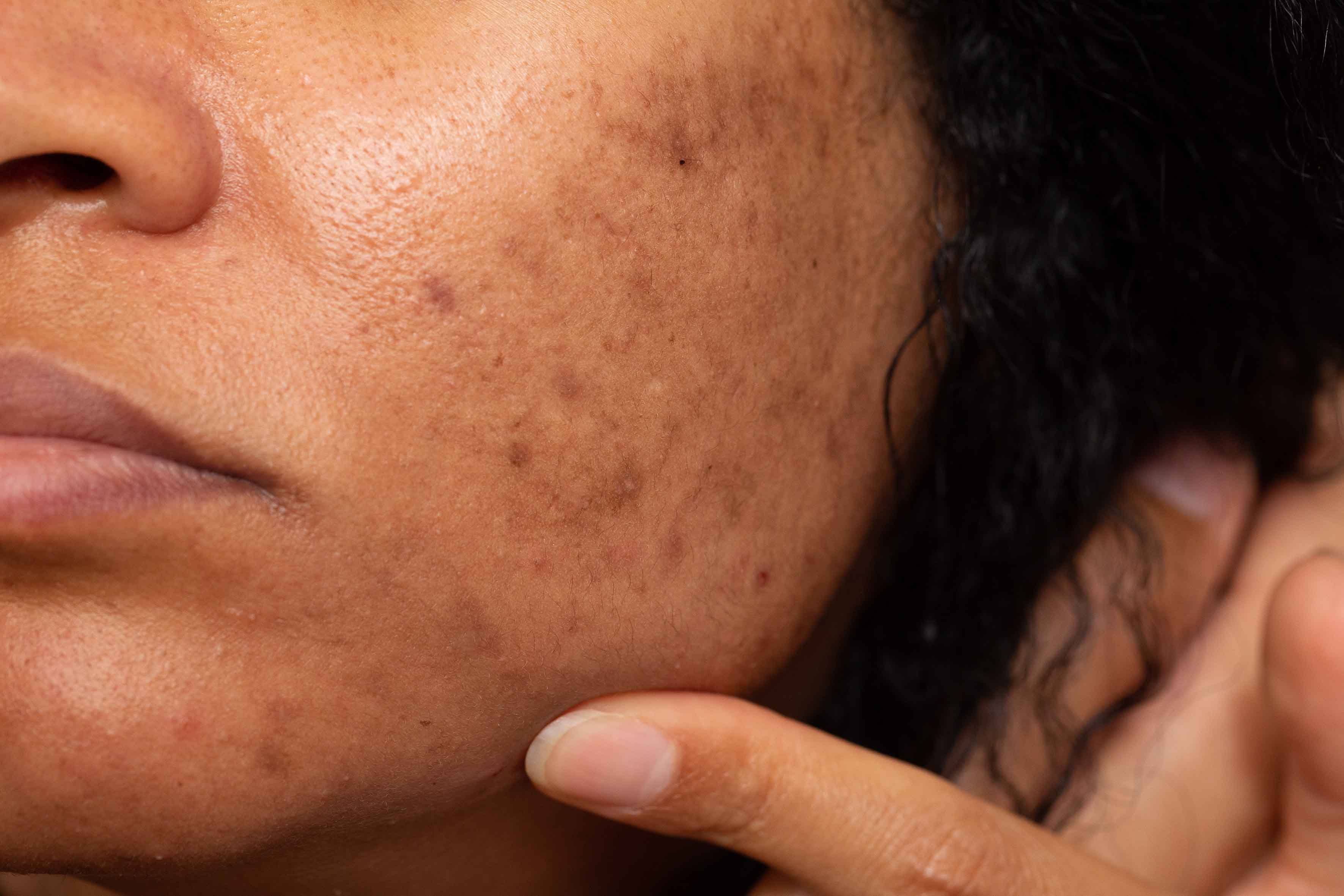
Skin spots are a common skin problem that many people face. Sunlight, aging, hormonal changes, and acne scars cause skin spots. This condition leads to aesthetic concerns and negatively affects skin health. So, how do skin spots form, and how are they treated? What Causes Skin Spots? Skin spots usually appear due to the irregular production of melanin pigment. This causes dark areas to form on the skin's surface. Excessive exposure to sunlight, hormonal changes, improper cosmetic use, and genetic factors trigger the formation of spots. Sunspots are among the most common skin spots. The skin produces more melanin to protect itself from the sun's harmful UV rays. This causes brown or dark spots to appear on the skin's surface. Melasma spots appear in people who are pregnant or taking birth control pills due to hormonal changes. What Are the Methods for Treating Spots? There are different treatment methods to remove skin spots. The appropriate treatment method should be selected based on skin type and spot type. The treatment methods are as follows: Laser Spot Treatment Laser spot treatment targets spot problems and evens out skin tone. Laser beams break down melanin deposits in the skin and lighten skin color. This method is particularly effective for deep skin spots. After the procedure, the skin is renewed and gains a brighter appearance. Chemical Peeling Chemical peeling reduces spots by exfoliating the upper layer of the skin. It is applied using components such as fruit acids, glycolic acid, or TCA. This method renews skin cells and evens out skin tone. When applied regularly, a noticeable reduction in skin blemishes is observed. Micro-Needling (Dermapen) The micro-needling method creates micro-channels in the skin, enabling the skin to repair itself. This reduces skin blemishes and renews the skin. It also helps the skin look firmer and younger by increasing collagen production. Spot Treatment with Skin Care Products Regular skin care is very important in spot treatment. Spot-removing creams and serums even out skin tone thanks to their active ingredients. Products containing vitamin C, niacinamide, alpha arbutin, and kojic acid are particularly effective in removing skin spots. What Should You Pay Attention to in Spot Treatment? To achieve effective results in spot treatment, some important points should be considered. First, a treatment method suitable for your skin type should be chosen. Professional procedures such as laser or chemical peeling should be performed by specialists. In addition, the use of sunscreen should not be neglected. This is because new spots can form when the skin is not protected from UV rays. Careful attention should be paid to skin care during the treatment process. Moisturizing creams and serums containing antioxidants should be used to support skin renewal. However, a dermatologist should be consulted before using products containing chemicals.   How Should Skin Care Be Performed After Spot Treatment? After spot treatment, the skin becomes sensitive. Therefore, the care process must be applied meticulously. The use of sunscreen after the procedure should not be neglected. In addition, aggressive peeling products that can irritate the skin should be avoided. Moisturizing products should be used in the skin care routine. Serums containing hyaluronic acid should be preferred to strengthen the skin's natural barrier. Also, drinking plenty of water and eating a balanced diet helps the skin look healthier. Frequently Asked Questions (FAQ) What is Spot Treatment? Spot treatment encompasses different methods applied to remove dark spots on the skin. Laser, chemical peeling, and skin care products are among these methods. How Long Does Spot Treatment Take to Show Results? The treatment method varies depending on skin type. Laser treatment provides effective results in a few sessions. Skin care products, on the other hand, show results over the long term. Is Laser Spot Treatment Safe? Laser spot treatment is safe when performed by professionals. However, sunscreen use should not be neglected after the procedure. Which Creams Should Be Used for Spot Treatment? Creams containing vitamin C, niacinamide, and alpha arbutin even out skin tone. Products should be selected based on a dermatologist's recommendation. What Should Be Considered After Spot Treatment? It is important to protect the skin from the sun, moisturize regularly, and avoid aggressive peels. Treatment is more permanent when skin care is taken seriously.

read more

Pore-Tightening Treatments: Which Method Is Right for You?

Aging, environmental factors, and genetic influences can damage your skin and cause pores to enlarge. Enlarged pores may create a tired and unhealthy appearance on the skin. Fortunately, many effective treatments used in modern skincare can target this issue and help the skin look tighter and smoother. Pore tightening treatments can improve your skin structure and help you feel fresher and more vibrant. Why Do Pores Enlarge? Multiple factors may cause pores to enlarge. Understanding these factors is important when evaluating treatment options: Genetic Factors: Some people may genetically have larger pores.Skin Oil: Excess sebum production can make pores more visible.Skin Type: Oily and combination skin types are more prone to enlarged pores.Aging: Loss of collagen causes pores to become more noticeable.Incorrect Skincare: Insufficient or improper cleansing routines may clog pores and lead to enlargement. By being aware of these factors, you can plan your skincare routine more effectively. What Are the Pore Tightening Treatment Methods? There are various methods used to tighten pores. Each method addresses different skin needs. Chemical Peeling Chemical peeling, one of the pore tightening treatments, cleanses the upper layer of the skin and provides a more vibrant appearance. Ingredients such as glycolic acid and salicylic acid are commonly used. It renews the skin and reduces acne scars. It is suitable for individuals with oily skin and acne concerns. Laser Treatments Laser treatment stimulates collagen production beneath the skin. This treatment improves skin texture and visibly tightens pores. It has long-term effects and is also preferred for skin rejuvenation. It is suitable for individuals with moderate to advanced pore concerns. Microneedle Radiofrequency Microneedle radiofrequency delivers energy to the deeper layers of the skin through fine needles. This process increases collagen production and helps the skin recover. It is suitable for individuals experiencing both sagging and enlarged pores. Retinoid Treatments The use of retinoids, which are vitamin A derivatives, is among the treatments used for pore tightening. They support skin renewal and balance oil production. This helps tighten pores and reduce blackheads. It is suitable for all skin types but should be used carefully on sensitive skin.   Pore Tightening Treatments: Which Method Is Right for You? What Should Be Considered When Choosing a Treatment? A personalized approach should be adopted when selecting a pore tightening treatment. This allows the most effective results to be achieved. The following factors should be considered: Skin Type: Each method is developed for different skin types, so a treatment suitable for your skin type should be chosen.Expert Opinion: Receiving advice from a dermatologist is important.Budget: Some methods may be more costly, so treatment costs should also be considered.Timing: Treatment duration should fit your personal schedule. Planning your treatment schedule is important because treatments show results when applied consistently. Advantages of Pore Tightening Treatments Pore tightening treatments offer many advantages. Some of these include: The skin gains a younger and more vibrant appearance.Blackhead and acne problems are reduced.Collagen production is supported and fine lines decrease.Skin tone becomes more balanced. Frequently Asked Questions (FAQ) What Is a Pore Tightening Treatment? Pore tightening treatments aim to reduce the appearance of enlarged pores. These methods support collagen production and help the skin become firmer. How Can Enlarged Pores Be Identified? Enlarged pores appear as visible openings on the skin surface. Blackheads and excess oil may make them more noticeable. Is It Possible to Tighten Pores at Home? Yes, natural masks and proper skincare may help reduce pore size. However, professional treatments are generally more effective for long-term results. What Should Be Considered After Treatment? Moisturizing the skin and protecting it from the sun are important. The skin may become more sensitive after treatment. Are Pore Tightening Results Permanent? The effects of treatments may vary depending on personal skincare routines and skin type. Maintaining a consistent skincare routine helps preserve the results.

read more

Frequently Asked Questions About Non-Surgical Eyelid Aesthetics

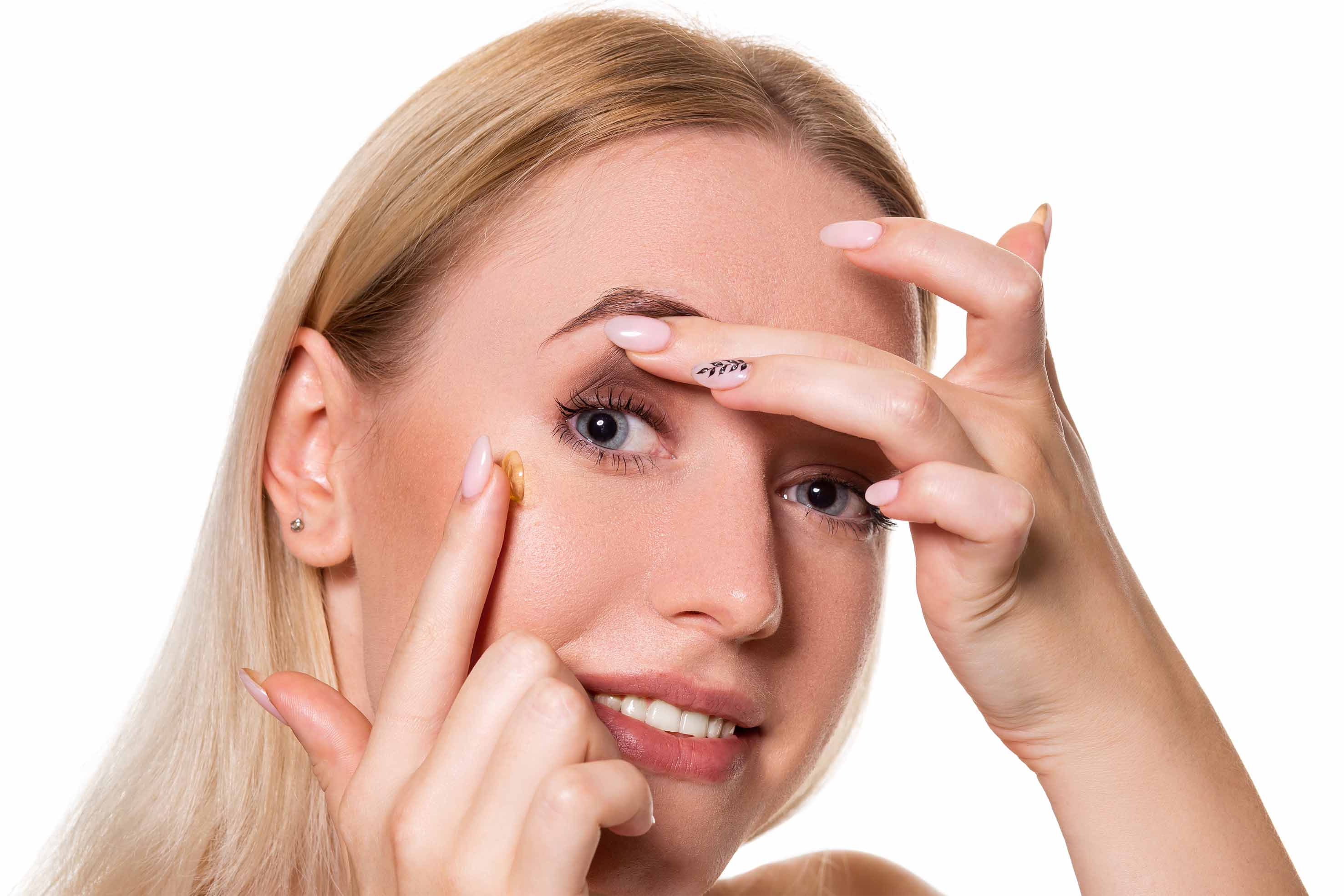
The eye area is one of the first regions where signs of aging become noticeable. Drooping eyelids can create a tired and aged appearance. However, it is now possible to address these concerns with non-surgical eyelid aesthetics. This fast, effective, and non-invasive method does not require surgery. Here are the most frequently asked questions and key details about this treatment. What Is Non-Surgical Eyelid Aesthetics? Non-surgical eyelid aesthetics is a method used to correct sagging and excess skin around the eyes. In this procedure, technologies such as plasma energy or laser are commonly used. Since it does not require surgery, the treatment is suitable for both the upper and lower eyelids. It is generally preferred for the following conditions: Sagging or drooping eyelids.Fine wrinkles around the eyes.A tired and aged appearance. How Is It Performed? It is generally a quick and effective procedure lasting between 30–60 minutes. Preparation: The eye area is cleansed and a local anesthetic cream is applied. Application: Plasma energy or laser devices are used to perform targeted applications on the skin surface. Result: After the procedure, the skin tightens and the regeneration process begins. Number of Sessions and Important Considerations Usually, 1–3 sessions are sufficient. The intervals between sessions are determined according to the individual’s needs. The recovery process after the procedure is quite fast. However, there are some important points to consider: Avoid touching the scabs that may form around the eyes.Do not allow the eye area to come into contact with water for the first few days.Use sunscreen to protect the area from sun exposure. Differences Between Non-Surgical and Surgical Aesthetics Non-surgical methods are a faster and less risky alternative to surgical operations. However, if a more comprehensive correction is needed, surgical methods may be preferred. Non-Surgical Aesthetics The recovery period is short.No surgical intervention is required.Provides mild to moderate skin tightening. Surgical Aesthetics Provides more comprehensive results.The recovery period is longer.Performed under local or general anesthesia. Advantages of Non-Surgical Eyelid Aesthetics This method offers many advantages compared to surgical procedures. These advantages include: Fast results. No need for general anesthesia. The ability to return to daily life after the procedure. A very low risk rate.   Are the Results Permanent? The results achieved after the procedure are long-lasting. However, since the aging process continues, additional treatments may be needed in later years. Non-Surgical Eyelid Aesthetics Prices Prices may vary depending on the method used, the number of sessions, and the clinic chosen. You can obtain exact pricing information by consulting a specialist before the procedure. If you are considering non-surgical eyelid aesthetics, choosing an experienced doctor is very important. By selecting a reliable clinic, you can ensure the procedure is performed successfully. You can take the first step by scheduling an appointment. Frequently Asked Questions (FAQ) Is Non-Surgical Eyelid Aesthetics Painful? Pain is minimal because a local anesthetic cream is used during the procedure. Can I Return to Work After the Procedure? Yes, you can usually return to your daily routine immediately after the procedure. How Long Does the Procedure Take? It takes approximately 30–60 minutes. Are the Results Visible Immediately? The first effects are noticeable immediately. However, the full results appear within a few weeks. Can the Procedure Be Repeated? Yes, if needed, the procedure can be repeated after a few years.

read more

French Lip Aesthetics for a Natural-Looking Smile

Lips are one of the most important elements of facial beauty. Thin, volume-deficient, or asymmetrical lips may affect a person’s facial expression. With aesthetic enhancements, lips can achieve both a fuller and more natural appearance. French lip aesthetics is a method that has become popular in recent years, offering a natural and elegant lip look. What Is French Lip Aesthetics? French lip aesthetics is a filler procedure aimed at giving the lips a natural fullness. In this procedure, the middle part of the lips is slightly emphasized, while the edges are shaped while maintaining a natural appearance. The goal is to achieve a result that is harmonious with the face without creating an exaggerated look. How Is a Natural Appearance Achieved? French lip aesthetics has become popular because it provides a natural appearance. This natural look is achieved as follows: The lip edges are shaped in a subtle and balanced way.Proportion and symmetry are taken into consideration.The amount of filler used is adapted to the individual’s facial features. Who Is It Suitable For? This method is suitable for anyone who wants to achieve natural and voluminous lips. Those with thin lips. Individuals experiencing volume loss in their lips. People who want to correct asymmetrical lip structure. Those seeking natural fullness. Who Should Not Undergo the Procedure? French lip filler is generally suitable for most people. However, it is not recommended in the following cases: Pregnant and breastfeeding women.Individuals with active infections or cold sores.People who are allergic to filler materials. How Is French Lip Aesthetics Performed? The procedure is performed in a clinical setting by a professional doctor. The stages are as follows: Evaluation: The doctor analyzes the patient’s lip structure and aesthetic expectations. Preparation: The application area is numbed with a local anesthetic cream. Filler Injection: The filler material is carefully injected using fine needles. Final Check: After the procedure, the distribution of the filler is checked to ensure it is even. The entire procedure is usually completed within 15–30 minutes. What Should Be Considered After the Procedure? The recovery process after French lip aesthetics is quite comfortable. However, it is recommended to pay attention to some points. Do not rub or press your lips for the first 24 hours.Avoid extremely hot or cold drinks for 2–3 days.Stay away from direct sunlight and tanning beds.Moisturize your lips regularly. Advantages of French Lip Aesthetics This aesthetic procedure stands out from other filler methods with several advantages. In general, the advantages are as follows: It provides a natural appearance. The procedure is quick and comfortable. It offers long-lasting results (9–18 months). It allows an immediate return to daily life. The fullness effect is visible immediately after the procedure. The final results become clearer within 1–2 weeks. Where Is French Lip Aesthetics Performed in Istanbul? Istanbul hosts many reliable clinics for aesthetic procedures. It is important to be careful when choosing a clinic before undergoing the treatment. By consulting with a specialist doctor, you can share your aesthetic goals and achieve the best possible result. Frequently Asked Questions (FAQ) Is French Lip Aesthetics Painful? No, pain is not felt during the procedure because local anesthesia is used. Will There Be Swelling After the Procedure? Yes, mild swelling may occur. However, this swelling usually disappears within a few days. How Long Do the Results Last? Depending on the individual, the effects of the filler generally last between 9–18 months. Will the Lips Look Natural After the Procedure? Yes, French lip aesthetics aims to provide a completely natural appearance. Is Special Preparation Required Before the Procedure? No, no special preparation is required before the procedure. However, you should inform your doctor about your health condition.

read more

What You Need to Know About Fractional Radiofrequency

Fractional radiofrequency, one of the skin rejuvenation and renewal methods, has become one of the most popular technologies in recent years. Offering a non-surgical and effective solution, this method increases the skin’s elasticity and provides a more youthful appearance. So, what exactly is fractional radiofrequency and how is it applied? What Is Fractional Radiofrequency? Fractional radiofrequency is a treatment method that increases collagen and elastin production under the skin using radio waves. It triggers the skin’s renewal process by creating microscopic thermal damage in the skin. This method provides effective results for many skin problems such as fine lines, wrinkles, and acne scars. It is generally preferred by the following individuals: People experiencing loss of skin elasticity.Those who want to reduce fine wrinkles and skin spots.Individuals aiming to tighten their pores. Which Skin Problems Is It Effective For? Fractional radiofrequency provides successful results in many skin problems. These include the following: Fine Lines and Wrinkles: It tightens the skin and reduces signs of aging. Acne Scars: It provides deep skin renewal and reduces the appearance of scars. Pigmentation Problems: It evens out the skin tone and reduces the appearance of spots. Loss of Elasticity: It increases collagen production and makes the skin firmer. How Is Fractional Radiofrequency Applied? During the treatment, radiofrequency energy is delivered beneath the skin, creating controlled damage in the targeted area. This controlled damage allows the skin to repair and renew itself. Preparation: The skin is cleansed and a local anesthetic cream is applied.Application: Radiofrequency energy is delivered to the skin using a specialized device.Results: Mild redness may appear on the skin after the procedure. However, this usually disappears in a short time. To achieve effective results, 3–6 sessions are generally recommended. The sessions are arranged according to the person’s skin type and individual needs. Advantages of Fractional Radiofrequency This method provides effective rejuvenation without the need for surgical procedures. Additionally, the recovery period is quite short. The advantages offered by fractional radiofrequency are as follows: It supports the skin’s natural structure.It reduces wrinkles and fine lines.It reduces acne scars and skin spots.It tightens pores and smooths the skin. Things You Should Know About Fractional Radiofrequency Things to Consider After Fractional Radiofrequency Skin sensitivity may occur after the treatment. Therefore, skincare and sun protection are important. The main points to consider are as follows: Protect your skin by using sunscreen.Allow the skin to rest before applying makeup after the procedure.Choose suitable products to moisturize the skin. Is the Treatment Painful? During fractional radiofrequency treatment, a mild heat sensation may occur. However, the local anesthetic creams used before the procedure minimize this discomfort. Most people complete the treatment comfortably. When Does the Treatment Show Results? The first results are usually noticeable within a few weeks. However, the best results appear once the skin renewal process is completed (3–6 months). The effects of the treatment last for a long time and can become more permanent with regular sessions. Are There Side Effects of Fractional Radiofrequency? This treatment is generally considered safe. However, mild redness and sensitivity may occur after the procedure. These side effects usually disappear in a short time. When performed by an experienced doctor, the risk is minimal. Frequently Asked Questions (FAQ) What Is Fractional Radiofrequency? It is a treatment that renews the skin by delivering controlled heat beneath the skin with radiofrequency energy. Is the Treatment Painful? A mild heat sensation is felt during the procedure. However, the local anesthetic cream reduces discomfort. How Long Do the Results Last? The results can remain effective for a long time. It is possible to increase their permanence with regular sessions. How Many Sessions Does the Treatment Take? Usually 3–6 sessions are sufficient. The interval between sessions is determined as 4–6 weeks. Who Should Not Undergo Fractional Radiofrequency? It is not suitable for pregnant individuals, those with active infections, and people with serious skin conditions.

read more

Everything You Need to Know About Mesotherapy

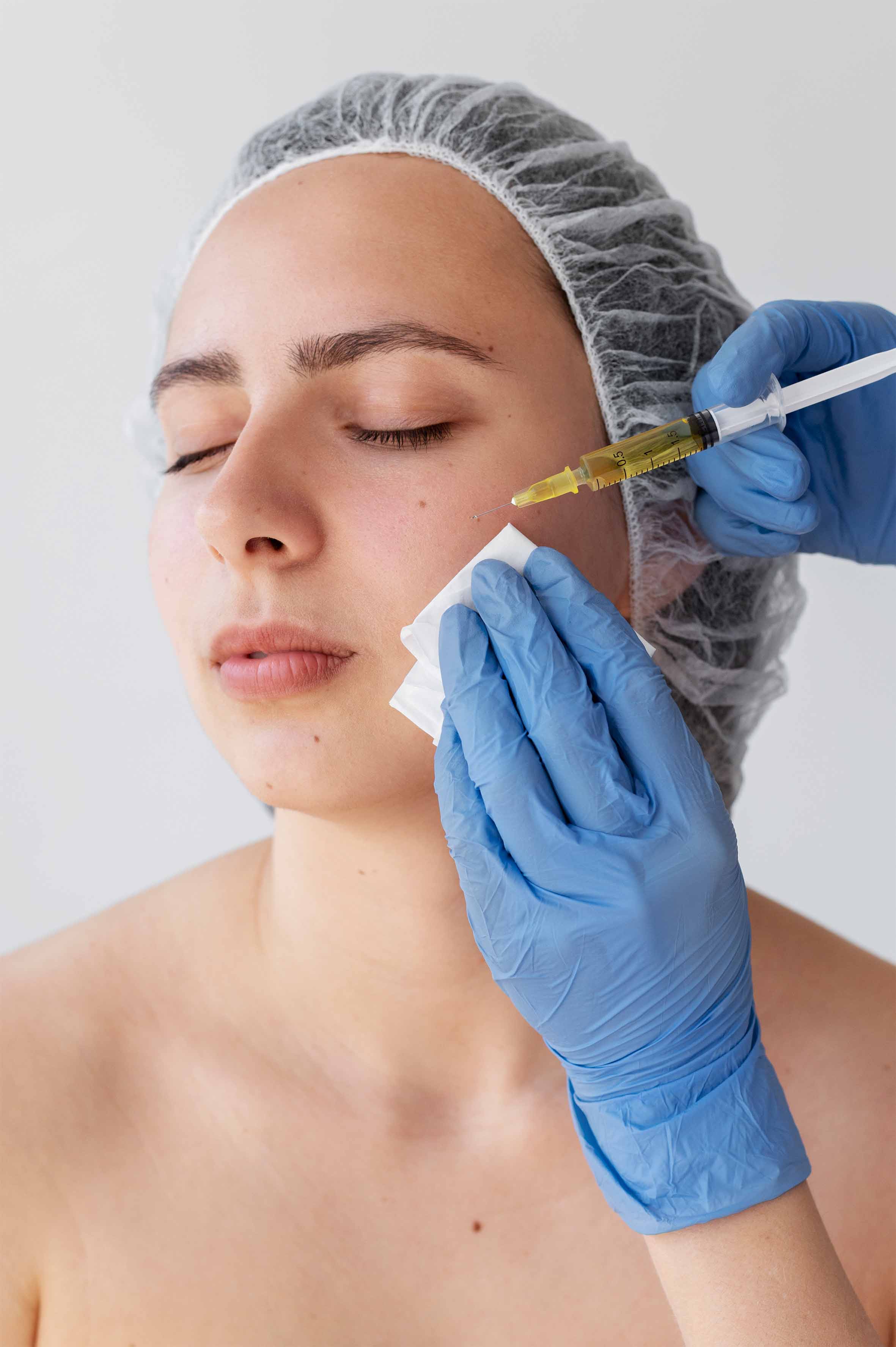
Mesotherapy, which has become increasingly popular in recent years among skin care and rejuvenation methods, stands out as an effective treatment option. This therapy targets concerns such as skin renewal, hair loss, wrinkles, and cellulite, helping individuals achieve a healthier and more youthful appearance. What Is Mesotherapy? Mesotherapy is a treatment method performed through micro-injections administered beneath the skin. In this procedure, beneficial components for the skin such as vitamins, minerals, amino acids, and hyaluronic acid are injected directly into the subcutaneous layer. It helps the skin appear more vibrant, healthy, and youthful. It reduces the appearance of wrinkles, fine lines, and sagging. In addition, it helps prevent hair loss and strengthens hair follicles. For Which Conditions Is It Used? Mesotherapy can be used to treat many different skin and hair concerns. The most common areas of application include: Skin Rejuvenation and Renewal By accelerating blood circulation under the skin, mesotherapy promotes the regeneration of skin cells. As a result, the skin appears firmer, smoother, and more youthful. Wrinkles and fine lines are reduced, providing a more even skin surface. Hair Loss Treatment Hair loss is a common issue in both men and women. Mesotherapy nourishes the hair through micro-injections into the hair follicles, helping to prevent hair loss. Cellulite Treatment Cellulite occurs when fat deposits under the skin become visible on the skin’s surface. When applied to these areas, mesotherapy helps shrink fat cells and reduce the appearance of cellulite. Skin Blemishes and Pigmentation Issues Mesotherapy is also effective in treating skin blemishes and pigmentation problems. It helps correct uneven skin tone and promotes a healthier skin appearance. Moisturizing and Revitalizing Skin Treatment Issues such as moisture imbalance, dryness, and dullness can also be treated with mesotherapy. Moisturizing ingredients injected under the skin help the skin look more vibrant and radiant. How Is Mesotherapy Performed? Mesotherapy is generally carried out through the following steps: Evaluation and Planning The first step is an evaluation performed by a specialist physician. Skin type, existing concerns, and treatment goals are identified. Then, the components to be used are determined. Injection Preparation A topical anesthetic cream is applied to the treatment area. This helps reduce pain or discomfort during the procedure. Micro-Injections During the procedure, selected nourishing ingredients are injected under the skin using fine needles. The injections are administered in small points, and the process usually takes about 20–30 minutes. Post-Treatment Care After the procedure, mild redness or swelling may occur. However, these effects are temporary and usually disappear within a few hours. After treatment, regular use of moisturizer and sun protection is important. Everything You Need to Know About Mesotherapy Benefits of Mesotherapy Mesotherapy offers numerous benefits. The main advantages include: Skin Renewal and Rejuvenation: Helps regenerate the skin and achieve a more youthful appearance. Prevention of Hair Loss: Helps stop hair loss and promotes healthy hair growth. Reduction of Cellulite Appearance: Smooths the skin surface by reducing cellulite. Balanced Skin Tone: Helps correct pigmentation issues and provides a more even skin tone. Improved Skin Appearance: Enhances moisture balance, resulting in a more vibrant and radiant look. Post-Treatment Recovery Process Since mesotherapy is a minimally invasive procedure, the recovery process is quite short. After the treatment, mild redness, swelling for a few hours, or bruising that resolves within a few days may be observed. These side effects vary depending on the sensitivity of the treated area but typically subside quickly. The effects of mesotherapy generally begin to become noticeable within a few weeks. Frequently Asked Questions (FAQ) Who Is Mesotherapy Suitable For? Mesotherapy is suitable for healthy individuals. It can be beneficial for those experiencing skin renewal concerns, hair loss, wrinkles, and cellulite. How Many Sessions Are Required? Mesotherapy sessions typically range between 4 and 6 sessions. However, this number may increase depending on the treated condition. Is Mesotherapy Painful? Mesotherapy usually causes mild discomfort. However, an anesthetic cream is applied before the treatment, which significantly reduces pain. When Do the Effects Become Visible? The effects usually start to become noticeable within 2–3 weeks. Are the Results Permanent? While the results of mesotherapy are long-lasting, they are not permanent. Maintenance is required, and repeat sessions at certain intervals are recommended.

read more

Salmon DNA Therapy: What Is It and What Are Its Benefits?

Salmon DNA Therapy has emerged in recent years as one of the increasingly popular treatments in the world of skin care. This specialized treatment incorporates the skin benefits of DNA derived from salmon sperm and promises revolutionary results in skin care. If you are seeking healthy, youthful, and smooth skin, you may want to explore Salmon DNA therapy. What Is Salmon DNA Therapy? Salmon DNA therapy consists of skin care treatments that contain a special DNA molecule derived from salmon. Salmon is rich in proteins essential for skin regeneration and rejuvenation. When Salmon DNA is injected into the skin, it accelerates the cellular renewal process and helps improve the overall health and youthful appearance of the skin. This treatment provides deep skin repair and also has anti-aging properties. What Does It Do? Salmon DNA therapy targets many skin concerns and has a broad range of effects in skin care. Some of its key benefits include: Accelerates Skin Renewal: Stimulates the regeneration of skin cells, resulting in a more vibrant, fresh, and youthful appearance. Provides Anti-Aging Effects: Helps reduce the appearance of fine lines and wrinkles, making the skin firmer and smoother. Balances Skin Tone: Helps correct uneven skin tone, contributing to a brighter and more even complexion. Provides Hydration: Maintains the skin’s moisture balance and prevents water loss, making it effective against dryness. Repairs Skin Damage: Can improve issues such as blemishes, acne scars, and sun damage, thereby accelerating the skin’s natural repair process. Increases Skin Elasticity: Enhances skin elasticity, helping achieve a firmer and smoother appearance. Salmon DNA Therapy: What Is It and What Are Its Benefits? How Is Salmon DNA Therapy Applied? Salmon DNA therapy is applied through a relatively simple injection method. However, proper application is essential to achieve the most effective results. Skin Cleansing: The skin is first cleansed and cleared of all makeup and impurities. Anesthesia Application: A topical anesthetic cream is applied to the cleansed skin and left on for approximately 20–30 minutes to ensure numbing. Salmon DNA Injection: Using very fine needle tips (30–32 gauge), the product is injected into the superficial layer of the skin known as the dermis. Where Is It Used? Salmon DNA therapy is most commonly used on the face, neck, and décolletage. However, it is also effective on the hands, around the eyes, and other skin areas. The most common areas of application include: Face: The most effective area for reducing signs of aging. Neck and Décolletage: Areas where early signs of aging often appear. Eye Area: Can be effective for fine lines and dark circles around the eyes. Frequently Asked Questions (FAQ) How Does Salmon DNA Work? Salmon DNA accelerates skin cell renewal, reduces signs of aging, increases skin elasticity, and helps even out skin tone. Does It Cause Allergic Reactions? It can generally be used safely on most skin types. Does Salmon DNA Therapy Provide Immediate Results? Visible improvements may be observed even after the first session. However, for optimal results, 3–4 sessions are recommended. Who Is It Suitable For? It is suitable for all ages and skin types. Anyone seeking skin renewal and anti-aging treatment can undergo this therapy.

read more

Skin Rejuvenation: What Is It and What Are the Techniques?

Over time, the skin ages. This process manifests itself through signs such as wrinkles, fine lines, and sagging. However, skin rejuvenation techniques offer effective methods to reverse or minimize this aging process. Skin care is important not only for external beauty but also for improving overall skin health. If you want your skin to look younger and fresher, exploring and applying these methods can be highly beneficial. What Is Skin Rejuvenation? Skin rejuvenation refers to procedures performed to reduce or prevent signs of skin aging. As the skin ages, it loses elasticity, and fine lines and wrinkles may appear. Skin rejuvenation aims to minimize these signs and make the skin healthier. With advances in technology, rejuvenation methods have become more diverse. In addition to chemical-based treatments, natural and non-surgical applications have also gained popularity. What Are Skin Rejuvenation Techniques? There are many different techniques and methods available. These methods may vary depending on skin structure, signs of aging, and personal preferences. Some commonly used and effective techniques include: Botox and Filler Applications Botox targets wrinkles and fine lines, helping the skin appear younger. It temporarily relaxes the muscles, reducing the appearance of lines. Similarly, dermal fillers are applied to areas with volume loss, helping to correct sagging skin. Laser Treatment Laser treatment is a highly effective method for skin rejuvenation. Laser beams penetrate the deeper layers of the skin, stimulating collagen production. This helps reduce wrinkles and blemishes while also evening out skin tone for a smoother appearance. Chemical Peeling Chemical peeling is a procedure performed to remove dead skin cells and promote skin renewal. In this process, a chemical solution is applied to the skin, causing the top layer to peel off. As a result, the skin appears younger, fresher, and more radiant. PRP (Platelet-Rich Plasma) Therapy PRP therapy is a rejuvenation method in which plasma obtained from the individual’s own blood is injected under the skin. It stimulates cell regeneration and increases collagen production, giving the skin a more vibrant and youthful appearance. Microdermabrasion Microdermabrasion is a procedure in which the upper layer of the skin is gently exfoliated. This removes dead skin cells and stimulates the production of new cells, resulting in smoother, more vibrant, and younger-looking skin. Benefits of Skin Rejuvenation Skin rejuvenation methods offer significant benefits not only aesthetically but also in terms of improving skin health. The main benefits include: A Younger Appearance: As wrinkles and fine lines are reduced, the skin gains a younger and fresher look. Increased Collagen Production: Rejuvenation procedures stimulate collagen production, restoring skin elasticity. Healthier Skin: As the skin renews itself, it becomes healthier and more radiant. Reduced Sagging: Volume loss and sagging are corrected through fillers and similar treatments. Balanced Skin Tone: Treatments such as laser and chemical peeling help even out skin tone and reduce pigmentation. Frequently Asked Questions (FAQ) What Is Skin Rejuvenation? It is a set of procedures performed to reduce signs of aging and promote a healthy-looking skin. Which Techniques Are the Most Effective? Botox, fillers, laser treatment, PRP, and chemical peeling are among the most effective skin rejuvenation techniques. Are Rejuvenation Procedures Painful? Some methods may cause mild discomfort. However, the recovery process is generally quick. Which Natural Methods Can Be Used for Rejuvenation? Drinking plenty of water, eating a balanced diet, getting adequate sleep, and protecting the skin from the sun are natural rejuvenation methods. How Long Do the Procedures Take? The duration of skin rejuvenation procedures varies depending on the method. Some may take only a few minutes, while others may take longer.

read more

Skin Care: What Is It, How Is It Done, and What Are the Benefits?

Today, skin care has become not only an aesthetic necessity but also a part of a healthy lifestyle. The skin is the body’s largest organ and plays an important role as a defense mechanism against external factors. Therefore, proper skin care not only improves the appearance of the skin but also enhances overall health. However, skin care is not as simple as it may seem. Choosing products suitable for one’s skin type and applying the correct care techniques are essential. What Is Skin Care? Skin care refers to a series of practices performed to cleanse, moisturize, nourish, and protect the skin. Regular care helps remove dirt, excess oil, and dead skin cells from the skin. The main goal is to keep the skin healthy, youthful, and radiant. How Is It Done? Skin care is performed through basic steps. These steps may vary depending on skin type, but in general, the following routine is recommended: Cleansing: The first step of skin care is cleansing the skin. Dirt, oil, and makeup residue that accumulate on the skin can clog pores and cause skin problems. Cleansing should be done with appropriate cleansing products. Toner Application: Using a toner after cleansing helps balance the skin’s pH level and tighten pores. Serum and Mask Application: Serums and masks can be used according to the skin’s type and needs. Serums provide deep nourishment, while masks are care products applied weekly or as needed. Moisturizing: Maintaining the skin’s moisture balance is essential. Rich moisturizers should be preferred for dry skin, while lightweight moisturizers are more suitable for oily skin. Sun Protection: One of the most important steps in a skin care routine is using sunscreen. The harmful effects of the sun can increase the risk of premature aging and skin cancer. Sunscreen should be used in every season. What Is Professional Skin Care? Professional skin care is a care process performed by specialists to protect, improve, and maintain youthful skin. These treatments are customized according to skin type, age, environmental factors, and individual needs, and are generally carried out by dermatologists. Professional skin care consists of several basic stages: Cleansing: The skin is cleansed of dirt, makeup, and sebum. Peeling: Chemical or mechanical peeling is applied to remove dead skin cells. Vacuum Cleansing: Blackheads and pores are deeply cleansed. Face Mask: Moisturizing, revitalizing, or nourishing masks suitable for the skin type are applied. Serums and Active Ingredients: Nourishing and repairing serums are applied to the skin. Facial Massage: Blood circulation is increased, revitalizing and relaxing the skin. Sun Protection: Sunscreen is applied to protect the skin from UV rays. These steps can be customized according to the skin’s needs and help achieve effective results with professional care. Benefits of Skin Care In addition to protecting skin health, skin care provides many benefits, including: Promotes Healthy-Looking Skin: Regular care helps the skin appear bright and vibrant. Delays Signs of Aging: Helps prevent wrinkles and fine lines. Anti-aging products increase skin elasticity, resulting in a more youthful appearance. Reduces Acne and Pimples: Removes excess oil and impurities from the skin, helping prevent acne formation. Reduces Dark Spots: Can help diminish dark spots and pigmentation issues. Strengthens the Skin Barrier: Care products strengthen the skin barrier and protect the skin against external factors.   What Should Be Considered When Choosing Skin Care Products? Products used in skin care should be chosen carefully. So, what should you pay attention to when selecting products? Choosing Products Suitable for Skin Type: Each skin type has different needs. Selecting products appropriate for your skin type positively affects skin health. Product Ingredients: Ingredients have a significant impact on skin health. Products free from parabens, alcohol, and artificial colorants should be preferred. Choosing Products Suitable for Your Age: Skin needs change with age. While moisturizers and cleansers may be sufficient for younger skin, mature skin may require anti-aging products. Frequently Asked Questions (FAQ) What Is Skin Care? It is a series of practices performed to cleanse, moisturize, and protect the skin. How Often Should It Be Done? Skin care should be done daily. Masks and peeling treatments should be applied weekly or as needed. Which Products Should Be Used in Skin Care? A cleanser, toner, serum, moisturizer, and sunscreen suitable for your skin type should be used. How Should Care Be Done for Acne-Prone Skin? Antibacterial and sebum-balancing products should be used for acne-prone skin. The skin should also be cleansed regularly. Is Skin Care Related to Age? Yes, skin care varies by age. Lighter products may be sufficient for younger skin, while mature skin requires more intensive moisturizing and anti-aging products.

read more

What Is Collagen and What Does It Do?

Table of Contents What Is Collagen? Which Role Does Collagen Play in Our Body? What Are the Contributions of Collagen to Skin Health? What Are the Signs of Collagen Deficiency? Does Collagen Improve Hair Health? Does Collagen Affect Joint Health? What Is Collagen? Collagen is a fundamental protein in the human body. It is composed of proteins and is found in the structure of many body parts such as the skin, bones, muscles, tendons, and connective tissues. Collagen is one of the most abundant proteins in the body and helps maintain the elasticity of our skin, the durability of our hair, and the strength of our nails. What Is the Role of Collagen in Our Body? Collagen is a fundamental protein type for our body with several crucial roles. It is a major component of structures like the skin, bones, muscles, and connective tissues. Collagen enhances the resilience of these tissues, contributing to the integrity of bones and joints. It also increases the skin's elasticity and prevents the formation of wrinkles. Collagen facilitates the movement of muscles and supports tendons. The presence of collagen is critical to maintaining and strengthening the structure of various tissues throughout our body. What Are the Contributions of Collagen to Skin Health? Collagen is considered an essential component for skin health. This protein prevents wrinkle formation by increasing skin elasticity, promoting a youthful and healthy appearance. It also helps maintain the firmness and strength of skin tissue, resulting in a smoother and more vibrant complexion. Collagen maintains the skin's moisture balance, preventing dryness and irritation. Therefore, many skincare and cosmetic products advertise their collagen content. Supporting collagen for skin health is important for achieving a youthful and radiant complexion. What Are the Signs of Collagen Deficiency? Collagen deficiency is a condition that can negatively affect the functionality of the body. This deficiency can lead to problems in various body areas, particularly the skin, joints, and connective tissues. Skin can lose elasticity, wrinkles may increase, and the skin can become dull. Joint pains and stiffness are also common symptoms. Hair loss and nail weakness can be signs of collagen deficiency. These symptoms can vary from person to person, but recognizing and addressing collagen deficiency is essential. Without proper measures, these issues can worsen over time. Does Collagen Improve Hair Health? The relationship between collagen and hair health is significant. Collagen supports the structure of hair strands and can help prevent hair loss. Hair largely consists of collagen protein, which preserves the strength and elasticity of hair. Collagen deficiency can lead to hair weakening and loss. Therefore, regularly consuming collagen-rich foods or using collagen supplements is important to support hair health. Additionally, hair care products such as shampoos and hair masks containing collagen can be preferred. However, if you have any hair concerns, consulting a professional is the best course of action. Does Collagen Affect Joint Health? Collagen is considered a crucial component for joint health. Joint cartilage, tendons, and connective tissues depend on the presence of collagen. Collagen enhances the durability of these tissues and preserves joint health. The aging process and wear and tear can cause joint cartilage to thin and deteriorate. This can lead to joint pain and limited mobility. Collagen supplements or collagen-rich foods can help rebuild joint cartilage and improve joint health.

read more

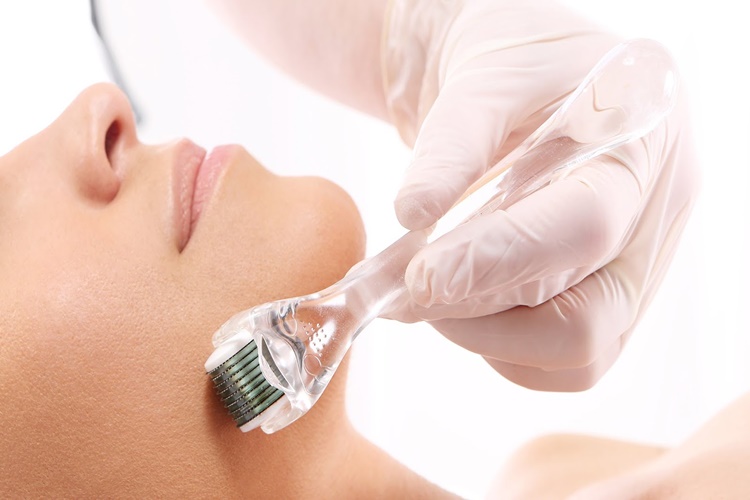
Roller and Dermapen

Contents What Are Rollers and How Do They Work? What Is Dermapen and How Does It Work? Which Skin Issues Are Rollers Suitable for? Which Skin Issues Are Dermapen Suitable for? What Are the Key Differences Between Rollers and Dermapen? How Are Rollers and Dermapen Used for Acne Scar Treatment? How to Boost Collagen Production with Rollers and Dermapen? Post-Care for Rollers and Dermapen What Are Rollers and How Do They Work? Rollers are commonly used devices in skincare. They can come in the form of a cylinder or disk with tiny needles. Their primary function is to gently puncture the top layer of the skin with these needles, creating microchannels and initiating the skin's rejuvenation process. The Role of Needles in the Skin The main principle of rollers is to trigger the skin's healing process by creating fine microchannels in the top layer of the skin. These microchannels allow active ingredients to penetrate more effectively into the deeper layers of the skin. Stimulating Collagen and Elastin Production Rollers stimulate the production of collagen and elastin in the skin. These proteins are essential for maintaining the firmness and elasticity of the skin. Targeting Skin Issues Rollers can be used as a solution for various skin problems such as acne scars, spots, wrinkles, and general uneven skin tone. Home Use and Professional Application Rollers can be used at home, but professional applications by a dermatologist or esthetician can help achieve more profound results. Rollers are a device that can be easily integrated into your skincare routine. However, they should be used carefully and hygienically. It's important to choose a roller that suits your skin type and needs. Seeking advice from an expert before the procedure will help you use rollers safely and effectively. What Is Dermapen and How Does It Work? Dermapen is a medical device used for skin rejuvenation and treatment purposes. This device works by creating microchannels on the skin's surface with a head equipped with fine needles. Its main purpose is to create microtrauma on the skin and thereby accelerate the skin's self-renewal process. Needle Head and Adjustable Depth Dermapen has interchangeable needle heads and depth settings, allowing for customization based on different skin types and treatment needs. The needles are adjusted to suit specific depths of the skin. Creating Microchannels Dermapen creates numerous microchannels on the skin's surface. These holes cause mild damage to the top layer of the skin. However, these damages are quite small and controlled. Promoting Collagen and Elastin Production The Dermapen procedure ensures that the skin initiates the healing process of these microchannels. During this process, the skin increases collagen and elastin production, resulting in a tighter, younger, and healthier appearance. Addressing Skin Issues Dermapen can be used to treat various skin issues, especially acne scars, wrinkles, spots, and general skin tone irregularities. It reduces the appearance of these issues and improves the skin's condition. Home and Professional Use Dermapen can be used both professionally by a dermatologist or esthetician and at home. However, professional applications can provide deeper results. Dermapen is an effective skincare method that helps renew the skin. Although there might be a slight discomfort during the procedure, the skin usually recovers quickly, and the results become visible. Which Skin Issues Are Rollers Suitable for? Rollers can be used to address various skin problems and are suitable for many skin types. Here are some skin issues that rollers can be effective for: Acne Scars Rollers can reduce acne scars by accelerating the skin's healing process through microchannels. Wrinkles and Fine Lines By increasing collagen production in the skin, rollers can diminish the appearance of fine lines and wrinkles. Spots and Pigmentation Issues Rollers can lighten the color of spots, especially if they are caused by sun damage or aging. Uneven Skin Tone Rollers can target skin tone irregularities and help the skin achieve a more even appearance. Loss of Skin Firmness and Elasticity Rollers target the loss of firmness and elasticity in the skin, resulting in a tighter and more youthful appearance. Tightening Pores Rollers can reduce the appearance of enlarged pores, contributing to smoother skin. Scar Treatment Rollers can help improve the appearance of scars on the skin. Rollers can be effective in treating these skin issues, but it's important to consult with a dermatologist before treating any skin problem or starting to use rollers. Which Skin Issues Are Dermapen Suitable for? Dermapen is an effective method for treating various skin issues and offers solutions to several skin problems. Here are some skin issues that Dermapen is suitable for: Acne Scars Dermapen can be used to reduce the appearance of acne scars by promoting new collagen production through microchannels. Wrinkles and Fine Lines By increasing collagen production, Dermapen can minimize the appearance of fine lines and wrinkles, contributing to a more youthful look. Spots and Pigmentation Issues Dermapen can target skin pigment problems and lighten the color of spots, especially those caused by sun damage or aging. General Skin Tone Irregularities Dermapen can be used to address uneven skin tone, helping the skin achieve a more uniform appearance. Tightening Pores Dermapen can reduce the appearance of enlarged pores, making the skin look smoother. Loss of Skin Firmness and Elasticity By stimulating collagen production, Dermapen can target skin laxity and help the skin appear firmer and more youthful. Scar Treatment Dermapen can contribute to the improvement of scar appearance on the skin. Dermapen is an effective treatment method for these skin issues. However, it's important to have it applied by a professional dermatologist or under their guidance, depending on your skin type and the severity of the issue. Consulting with an expert before treating any skin problem or using Dermapen is crucial. What Are the Key Differences Between Rollers and Dermapen? Rollers and Dermapen are two different methods that can help achieve similar results in skincare, but they have distinct working principles and designs. Here are the key differences between these two methods: Needle Structure and Application Surface Rollers are a devices with numerous fine needles arranged on a cylinder or disk. The needles create microchannels by rolling or pressing against the skin's surface. Dermapen is designed in the shape of a pen or device and works with fine needles located on a single head. These needles are automatically inserted vertically into the skin. Dermapen provides a more precise and controlled application. Ease of Use Rollers are manually rolled or pressed onto the skin's surface. Dermapen can be applied to the skin more precisely and evenly with a touch-sensitive device. This allows Dermapen to access more sensitive areas and provide a more controlled treatment. Depth Adjustment Both methods allow for the adjustment of needle depth, but Dermapen offers a more precise depth selection. Controlling the depth of needles in rollers can be more challenging. Pain and Discomfort Level Dermapen is associated with lower pain and discomfort levels as the needles are applied more gently to the skin. Rollers may cause more discomfort in some individuals. Post-Procedure Recovery Both methods initiate the skin's healing process by creating microchannels. However, Dermapen may result in faster recovery and less redness or peeling. Both methods can be effective in skincare, but the choice between them depends on your skin type, needs, and preferences. Therefore, it's important to consult with an expert to determine which method is more suitable for you. How Are Rollers and Dermapen Used for Acne Scar Treatment? Acne scars are a common skin issue, and micro-needling methods like rollers and Dermapen are commonly used to treat them. Both methods can be effective in reducing the appearance of acne scars, but the choice between them depends on your skin type, the severity of the scars, and personal preferences. Using Rollers for Acne Scar Treatment Rollers are rolled over the skin, focusing on the areas with acne scars. The needle head of the roller creates microchannels in the skin, which stimulates the skin's natural healing process. The advantage of rollers is their accessibility, as they can be used at home. However, professional applications by an expert can provide more effective results. Using Dermapen for Acne Scar Treatment Dermapen is a precise and controlled method for targeting acne scars. The depth and speed of the needles can be adjusted. It offers a more comfortable application with less pain or discomfort compared to some roller applications. Dermapen can be applied professionally by a dermatologist or esthetician for more specific results. Both methods can have positive effects on reducing acne scars. However, the choice between them should be based on factors such as the severity of the scars and your comfort level with the procedure. Consulting with an expert before treatment is essential to determine the most suitable approach. How to Boost Collagen Production with Rollers and Dermapen? Rollers and Dermapen are effective options for increasing collagen production in the skin, promoting a youthful and healthy appearance. Collagen is a crucial protein that helps maintain skin firmness and elasticity. Here's how these methods stimulate collagen production: Boosting Collagen with Rollers Rollers create microchannels in the skin's top layer through fine needle punctures. These microchannels trigger the skin's natural healing process, leading to the production of new collagen. Over time, repeated use of rollers can result in more noticeable improvements. Boosting Collagen with Dermapen Dermapen is equipped with fine needles that automatically create microchannels in the skin. The depth and speed of the needles can be adjusted, allowing for precise control of collagen stimulation. Dermapen is known for causing less discomfort during the procedure and may lead to a faster recovery. Both methods contribute to increased collagen production and can help rejuvenate the skin and address various skin concerns. The choice between them depends on your skin type, needs, and comfort level with the procedure. Consulting with a skincare professional will help determine the best approach for your specific goals. Post-Care for Rollers and Dermapen After undergoing treatments with rollers or Dermapen, proper post-care is essential to optimize results and minimize potential side effects. Here's what you need to know about post-treatment skincare: Sensitivity and Redness It's normal to experience skin sensitivity and redness after the procedure. These reactions typically subside within a few hours, but you should be aware of your skin's sensitivity during the initial days. Sun Protection Post-treatment, your skin may be more sensitive to the sun. Therefore, it's crucial to use sunscreen that protects against UV rays. You can also take additional precautions such as wearing a hat or using an umbrella to shield your skin from the sun. Cleansing Proper cleansing of your skin is important after the procedure. Use a gentle cleanser to clean your skin, avoiding excessive rubbing or irritation. Moisturizing Using a moisturizer is essential to maintain your skin's moisture balance. Choose moisturizing products that are gentle and suitable for your skin type. These products can help soothe sensitive or dry skin. Makeup If you wish to apply makeup after the procedure, make sure to cleanse your skin thoroughly and use gentle products to protect sensitive areas. Choosing Gentle Products When selecting post-treatment skincare products, opt for those that won't irritate or disrupt the healing process. Avoid products containing perfume, alcohol, or harsh chemicals. Post-Treatment Check Keep an eye on your skin for any unusual reactions or issues after the procedure. If you notice any abnormal reactions or problems, consult a dermatologist or skincare professional promptly. Treatment Intervals Avoid repeating roller or Dermapen treatments too frequently. It's important to follow the recommended intervals to allow your skin to heal properly. Proper post-treatment care plays a crucial role in ensuring the effectiveness of the procedure and maintaining your skin's health. Following the recommended post-care guidelines will help you achieve the best results for your skin concerns.

read more

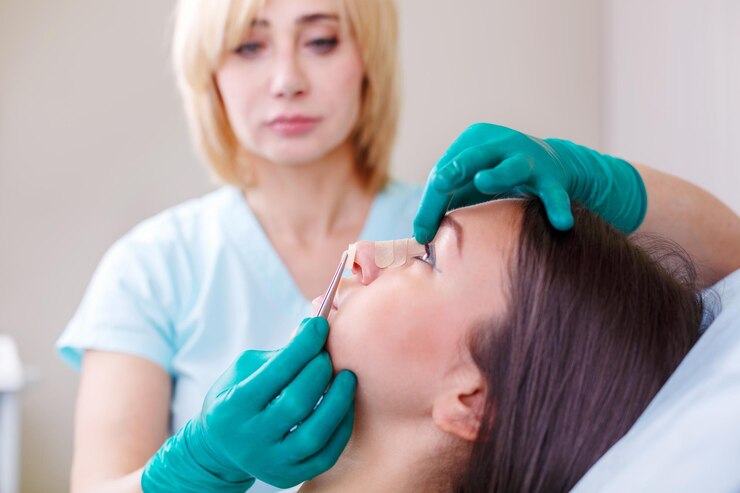
Non-Surgical Nose Tip Lift

Contents What are the Advantages of Lifting the Tip of the Nose Without Surgery? Should I Consider Lifting the Tip of the Nose Without Surgery? What are the Methods and Techniques of Non-Surgical Nose Tip Lifting? Who is the Suitable Candidate for a Non-Surgical Nose Tip Lift? How Does the Healing Process Progress After Non-Surgical Nose Tip Lifting? What Is a Non-Surgical Nose Tip Lift? A Non-surgical nose tip lift is a cosmetic procedure performed without surgery to enhance the appearance of the nasal tip. This method is chosen when individuals want to improve the aesthetics of their nose tip without undergoing invasive surgery. Non-surgical nose tip lift is typically performed using two main methods: dermal fillers and Botox injections. Dermal fillers, especially those based on hyaluronic acid, are used to lift and shape the nasal tip. These fillers work by filling in hollow areas around the nasal tip and providing support to the cartilage tissue to achieve the desired lifting effect. Botox injections can also help lift the nasal tip by relaxing the muscles in that area. This method is effective in preventing the nasal tip from drooping downward. Non-surgical nose tip lift is preferred by many individuals because it does not require surgery, offers a quick recovery, and provides noticeable results. However, like any cosmetic procedure, it should be performed under the supervision of a medical professional. Advantages of Non-Surgical Nose Tip Lift Non-surgical nose tip lift offers several advantages compared to traditional surgical procedures, making it a popular choice for many individuals. Here are the key advantages of non-surgical nose tip lift: Minimal Invasiveness Non-surgical nose tip lift does not require surgery and does not involve any incisions or stitches. This means a faster recovery and less discomfort. Quick Results Results from this procedure are immediately visible. After dermal fillers or Botox injections are administered, individuals can immediately see the new appearance of their nose-tip Reduced Risk Non-surgical nose tip lift involves fewer risks compared to surgical procedures. Risks related to bleeding, infection, or anesthesia are minimal. Temporary Results The results of non-surgical nose tip lifts are temporary. This allows individuals to make adjustments based on their preferences and needs. Shorter Recovery Time The recovery period after a non-surgical nose tip lift is relatively short. Most people can return to their daily activities right after the procedure. Customizability This method allows for customization of the nose shape and size according to the individual's preference. Specialists work to achieve the most suitable results for the person's facial features. Non-surgical nose tip lift can be a practical and effective option for those looking to enhance the appearance of their nose. However, as with any aesthetic procedure, consulting with a medical professional is important. When Should You Consider Non-Surgical Nose Tip Lift? Non-surgical nose tip lifts may be considered in various situations when individuals want to improve the aesthetics of their nose tip. Here are some scenarios in which non-surgical nose tip lift may be contemplated: Nasal Tip Drooping or Downturn If the nasal tip is drooping or appears downturned, non-surgical nose tip lift can help address this issue. This method is used to lift the nasal tip and achieve a more aesthetic appearance. Nasal Tip Asymmetry Nasal tip asymmetry, where the nose tip may appear uneven, can be corrected with a non-surgical nose tip lift, creating a more balanced look. Improving Appearance in Media Some individuals may want to lift their nasal tip temporarily for a specific event, such as a photoshoot or video recording. A Non-surgical nose tip lift offers a quick and temporary solution. Aversion to Surgery People who do not want to undergo surgery or are hesitant about surgical interventions may consider non-surgical nose tip lift as a less invasive alternative. Tolerance to Dermal Fillers or Botox Individuals who have a higher tolerance or preference for dermal fillers or Botox may find this method suitable for their needs. Non-surgical nose tip lift can be contemplated in various situations, depending on the individual's needs and goals. However, it's important to consult with a medical professional before choosing any procedure. Methods and Techniques for Non-Surgical Nose Tip Lift Non-surgical nose tip lift is performed using various aesthetic techniques and methods. These methods are used to enhance the appearance of the nasal tip without surgery. Here are some of the techniques commonly used: Nose Tip Lift with Dermal Fillers In this method, hyaluronic acid-based dermal fillers are often used. The filler is strategically injected around the nasal tip to add volume and lift it. This technique provides immediate results. Nose Tip Lift with Botox Botox injections can be used to relax the muscles around the nasal tip. This helps prevent the nasal tip from drooping downward, achieving a lifting effect. Thread Lift Thread lift involves inserting specialized threads beneath the skin to lift and support the nasal tip. It's a minimally invasive procedure that offers long-lasting results. Non-Surgical Rhinoplasty Non-surgical rhinoplasty is a temporary procedure that involves using dermal fillers or Botox to reshape the nose tip and correct minor imperfections. Filler Lifting Techniques Various lifting techniques using dermal fillers can be employed to achieve the desired nose tip lift. These techniques involve precise injection placement to reshape and lift the nasal tip. The specific method and technique used for non-surgical nose tip lift may vary based on the individual's needs and the recommendations of the aesthetic specialist. Consulting with a specialist is essential to determine the most suitable approach. Who Is a Suitable Candidate for Non-Surgical Nose Tip Lift? A Non-surgical nose tip lift is an option for individuals looking to enhance the aesthetics of their nose tip. To be a good candidate, a person should be in good health, have realistic expectations, and tolerate or prefer dermal fillers or Botox. The results of the procedure are temporary, allowing for future adjustments if desired. Consulting with a medical professional is important before undergoing the procedure. Recovery Process After Non-Surgical Nose Tip Lift Non-surgical nose tip lift offers a relatively quick and comfortable recovery process compared to surgical interventions. However, there are some important considerations for the recovery period. Here's what to expect during the recovery process: Immediate Activity After a non-surgical nose tip lift, most individuals can immediately return to their daily activities. There may be some mild swelling or redness, but this is temporary. Cold Application To reduce swelling or minor discomfort, cold compresses may be applied during the first few days after the procedure. This is typically recommended. Makeup and Sun Protection Makeup can be applied after the procedure, but gentle cleansing of the skin is essential. Additionally, sun protection is important to prevent sunburn or skin sensitivity. Medications and Follow-Up Appointments It's important to take any prescribed medications as directed by the doctor. Follow-up appointments allow the specialist to monitor the results and make any necessary adjustments. Temporary Results Keep in mind that the results of a non-surgical nose tip lift are temporary. When dermal fillers or Botox are used, the effects will gradually diminish over time. Consult with your doctor about the expected duration of results. Post-Procedure Care Following the post-procedure care recommendations provided by your doctor can help enhance the longevity of the results. It's important to follow their advice closely. A Non-surgical nose tip lift offers a quick and comfortable recovery experience for most individuals. However, maintaining open communication with your doctor before and after the procedure is essential to achieve the desired results. Cost Considerations for Non-Surgical Nose Tip Lift The cost of a non-surgical nose tip lift can vary based on several factors. When assessing the cost, it's important to consider the following factors: Location and Specialist's Expertise The location where the procedure is performed and the level of expertise of the specialist can significantly affect the price. Experienced specialists may charge higher fees. Type of Materials Used The materials used for the procedure, such as hyaluronic acid-based dermal fillers or Botox, come in different brands and types. The choice of materials can influence the cost. Size of the Treatment Area The area being treated may vary from person to person. A larger treatment area may result in higher costs. Procedure Duration Longer and more complex procedures may be more expensive. Follow-Up Sessions Non-surgical nose tip lift results are temporary, and individuals may need periodic follow-up sessions to maintain the results. These additional sessions should be considered in the overall cost. It's important to note that non-surgical cosmetic procedures are typically not covered by health insurance as they are performed for aesthetic purposes. To obtain an accurate cost estimate, it's recommended to consult with a specialist. Additionally, it's crucial to select a qualified and experienced provider to ensure safe and effective results.

read more

Eyelid Surgery

Contents What Is Eyelid Surgery?Who Is a Suitable Candidate for Eyelid Surgery?Non-Surgical Eyelid Surgery OptionsSteps in the Non-Surgical Eyelid Surgery ProcedureAre There Risks and Side Effects of Non-Surgical Eyelid Surgery?What Is the Recovery Process Like for Eyelid Surgery? What Is Eyelid Surgery? Eyelid surgery, medically known as blepharoplasty, is a cosmetic surgical procedure aimed at addressing aesthetic concerns such as signs of aging, sagging, puffiness, or excess skin on the upper and lower eyelids. Eyelid surgery is a surgical intervention chosen when an individual desires to create a more youthful and refreshed appearance around the eyes. This procedure is particularly popular when the effects of aging become pronounced. Eyelids may lose elasticity with age, accumulate fat, and develop skin laxity. Eyelid surgery aims to correct these issues, providing a more youthful and dynamic appearance. Excess or sagging skin on the upper eyelids can lead to a heavy appearance in the upper part of the eye, making the eyes appear smaller. On the other hand, puffiness or swelling on the lower eyelids can make an individual appear tired or aged. Eyelid surgery helps address these problems while enhancing facial expressions. Eyelid surgery is a surgical procedure and should be performed by an experienced plastic surgeon. The desired outcome is to help individuals look younger and more dynamic while boosting their self-confidence. However, as with any surgical procedure, it is important to consider the risks and the recovery process. Who Is a Suitable Candidate for Eyelid Surgery? Eyelid surgery is a surgical procedure aimed at addressing aesthetic issues around the eyes and may be suitable for specific individuals. Here are factors defining suitable candidates for eyelid surgery: Excess Skin on Eyelids Individuals with sagging, loose, or excess skin on their eyelids may benefit from eyelid surgery. This condition often becomes evident with the aging process. Eyelid Fat Deposits The accumulation of fat on the upper or lower eyelids can result in puffiness or bags under the eyes. Eyelid surgery can address this concern. Eyelid Asymmetry Asymmetry of the eyelids can cause aesthetic discomfort in some individuals. Eyelid surgery can correct such asymmetry. Frequent Eyelid Drooping Frequent drooping of the eyelids that obstructs vision can be a functional issue. In such cases, eyelid surgery can provide both functional and aesthetic improvements. General Health Candidates for eyelid surgery should be in overall good health. Those with chronic illnesses or severe health conditions may not be suitable candidates for this type of procedure. Realistic Expectations Candidates for eyelid surgery should assess their post-surgery expectations realistically. Results will manifest over time in the healing process. Smoking and Alcohol Use Smoking habits or excessive alcohol consumption can negatively affect the healing process. Those considering eyelid surgery should limit or cease such habits. The suitability of candidates for eyelid surgery should be evaluated by a plastic surgeon. Adhering to the surgeon's recommendations both before and after the procedure is crucial to achieving the desired results. Non-Surgical Eyelid Surgery Options Eyelid surgery is a popular cosmetic procedure among individuals seeking a more youthful appearance. However, some individuals may prefer non-surgical options or may not be suitable candidates for surgery. In such cases, non-surgical eyelid surgery options can be considered. Here are Some non-surgical Options for Eyelid Rejuvenation Botulinum Toxin Injections Botulinum toxin, commonly known as Botox, can temporarily relax the muscles around the eyes, providing a rested appearance. It can be used to reduce crow's feet and wrinkles around the eyes. Dermal Fillers Hyaluronic acid-based dermal fillers can add volume to the area around the eyes and alleviate puffiness. These fillers can also improve under-eye hollows and wrinkles. Chemical Peels Chemical peels can renew the skin's surface, reducing fine lines and blemishes around the eyes. They can also contribute to a brighter and more youthful complexion. Laser Therapy Laser therapy can be used for skin tightening and rejuvenation. It may help reduce sagging and wrinkles around the eyelids. Radiofrequency Treatment Radiofrequency technology can increase collagen production beneath the skin, leading to firmer skin and reduced puffiness. IPL (Intense Pulsed Light) Treatment IPL treatment targets skin discolorations and vascular issues, evening out skin tone. It can reduce spots and redness around the eyes. Eyelid Products Specially formulated eye products can help moisturize, tighten, and rejuvenate the skin. These products can be an essential part of a non-surgical skincare routine. The results of non-surgical eyelid procedures can vary depending on individual needs and concerns. It is essential to evaluate each option and consult with a specialist for personalized guidance. Steps in the Non-Surgical Eyelid Surgery Procedure Non-surgical eyelid surgery, also known as non-surgical blepharoplasty, comprises a series of procedures designed to address eye area concerns without surgery. This procedure involves the following steps: Consultation The initial step is to consult with a plastic surgeon or an aesthetic specialist. During this phase, the individual's desires are assessed, existing concerns are examined, and suitable treatment options are discussed. Personalized Planning The specialist creates a personalized treatment plan tailored to the individual's eyelid concerns. This plan outlines which non-surgical methods will be used and how they will be applied. Preparation for the Procedure Before the procedure day, the individual receives specific instructions regarding the procedure. Information is provided on the products and techniques that will be used during the procedure. Procedure Non-surgical eyelid surgery is performed according to the treatment plan. Botulinum toxin injections, dermal fillers, or other non-surgical methods are applied as needed. Recovery Period After the procedure, the individual is given post-procedure recommendations. Typically, one can return to daily activities shortly after non-surgical procedures. Follow-Up and Results Post-procedure follow-up appointments are scheduled. These appointments allow the specialist to evaluate the results and make any necessary adjustments. Non-surgical procedures often yield temporary results and may require periodic reapplication. The process of non-surgical eyelid surgery can vary depending on individual needs and the chosen methods. Each step is carried out under professional supervision, helping individuals achieve their desired outcomes. Are There Risks and Side Effects of Non-Surgical Eyelid Surgery? Non-surgical eyelid surgery, despite being non-invasive, may have certain risks and side effects. Therefore, individuals considering this procedure should understand these potential risks: Post-Injection Bruising and Swelling After receiving botulinum toxin or dermal filler injections, bruising and swelling at the injection site may occur. These effects are usually temporary but can impact social activities. Risk of Infection There is a risk of infection during injections. Maintaining a sterile application area and adhering to hygiene guidelines can reduce this risk. Undesired Outcomes Unexpected results can occur following non-surgical procedures. Overuse of dermal fillers or application errors can result in an unnatural appearance. Allergic Reactions Allergic reactions to the dermal fillers or botulinum toxin products used can develop. Individuals with a history of such reactions should exercise caution. Temporary Results Non-surgical eyelid procedures often provide temporary results. The effects of botulinum toxin and dermal fillers may diminish over time, necessitating periodic reapplication. Permanent Issues Due to Incorrect Application Errors made during application or procedures performed by inexperienced practitioners can lead to permanent aesthetic problems. While non-surgical eyelid procedures typically carry lower risks compared to surgery, they should still be performed correctly and by experienced professionals. Therefore, consulting with a specialist before the procedure is essential. What Is the Recovery Process Like for Eyelid Surgery? The recovery process following eyelid surgery, whether surgical or non-surgical, is generally quick and straightforward. However, adhering to specific recommendations can contribute to optimal results. Here's an overview of the recovery process for eyelid surgery: Cold Compresses Applying cold compresses in the first few hours after the procedure can help reduce swelling and bruising. Ice packs or a cloth soaked in cold water can be used. Makeup and Skincare Products Avoid applying makeup and skincare products for a few days following the procedure. The skin may be sensitive, and maintaining cleanliness and sterility is crucial to reduce infection risk. Avoid Strenuous Exercise Refrain from engaging in strenuous exercise for the first few days after the procedure. Exercise can increase blood circulation and potentially exacerbate swelling. Keep Head Elevated Keeping the head elevated while sleeping or sitting can help reduce swelling. Extra pillows or a high-lying mattress can be used. Alcohol and Smoking Avoid alcohol consumption and smoking for a period after the procedure, as these substances can slow down the healing process. Follow-Up Appointments Ensure you attend post-procedure follow-up appointments as scheduled. These appointments allow the specialist to evaluate the results and make any necessary adjustments. Sun Protection Using a protective sunscreen can help prevent skin discoloration and the development of new spots around the eyes. Patience Results from eyelid surgery, whether surgical or non-surgical, are not always immediate. Full results may take several weeks to become apparent, so patience is key. The recovery process for non-surgical eyelid surgery may vary from person to person, but adhering to these recommendations can contribute to the best possible outcomes. Additionally, following your specialist's pre and post-procedure guidance is essential for a smooth recovery.

read more
Bizi Arayın
Randevu Formu
Whatsapp