
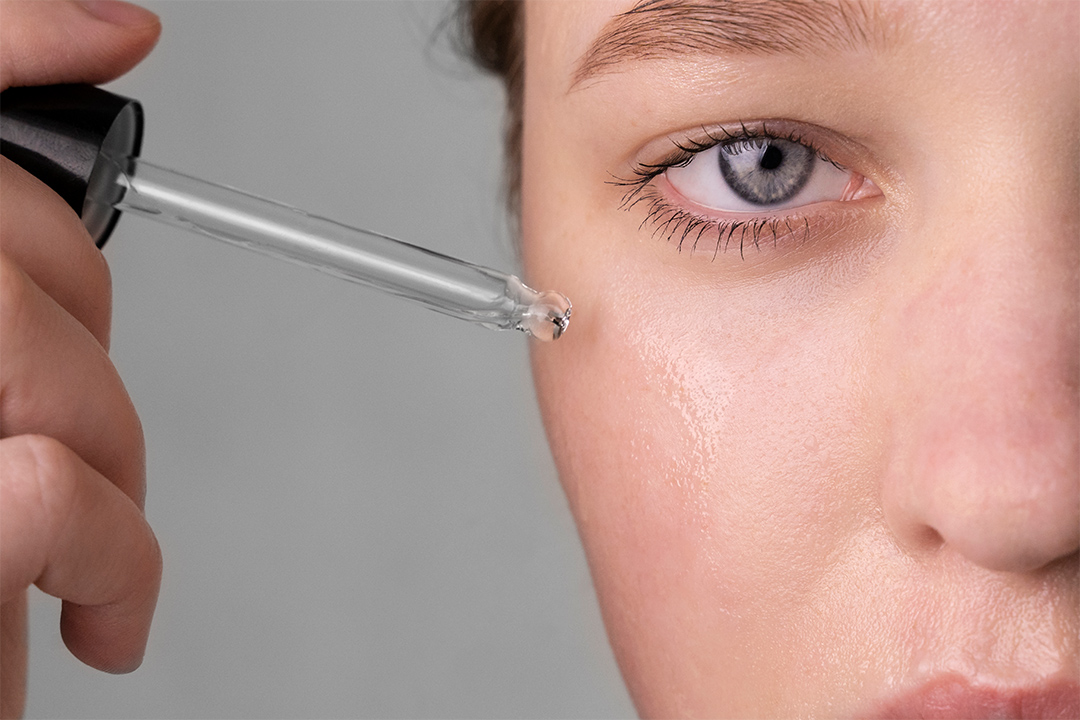
Do you use Niacinamide in your skincare routine? Niacinamide, which has become a star ingredient in skincare in recent years, offers solutions to many skin concerns in a single product.
What Is Niacinamide?
Niacinamide is chemically an active form of vitamin B3. From a dermatological standpoint, the most comprehensive answer to what niacinamide is is: a water-soluble, non-storable B-vitamin derivative critical for skin health.
Niacinamide is known by several other names, including Niacin, Nicotinamide and Nicotinic acid amide. At the core of what niacinamide does is its role as a coenzyme in important biochemical processes such as DNA repair and cell-to-cell communication.
In the laboratory, niacinamide is a compound with a melting point of 129-131 °C and a typically neutral pH (in the 6-7 range). It has a stable structure that is not affected by light, humidity or oxidation, which is one of the main reasons it is preferred in skincare formulations.
Niacinamide is also a precursor of nicotinamide adenine dinucleotide (NAD) and nicotinamide adenine dinucleotide phosphate (NADP). These coenzymes are essential for cellular metabolism. The body can obtain niacinamide from foods such as meat, chicken, fish, nuts and grains, and in modern skincare it can also be applied topically.
Unlike nicotinic acid, this compound delivers all its beneficial effects without causing skin irritation. Appearing in formulations such as serums, moisturizers and toners, niacinamide is becoming an indispensable part of skincare routines. In short, niacinamide, an active form of vitamin B3, is a versatile compound that supports the body internally and the skin externally.
What Does Niacinamide Do? Benefits for the Skin
There are many good reasons why niacinamide has become popular in skincare. Known for its versatile effects, it produces positive results in almost every skin type.
Strengthens the Skin Barrier
Niacinamide supports and strengthens the skin barrier by increasing the skin's natural lipid production. This strong barrier protects the skin from external factors and prevents water loss. By encouraging ceramide production in skin cells, niacinamide enhances the skin's moisture retention. With regular use, barrier function improves and the skin looks healthier.
Balances Sebum Production
Niacinamide regulates the activity of sebaceous glands and balances sebum production, addressing the main concern of oily skin. This balance reduces shine, especially in the T-zone. Excess sebum can predispose to acne, so this effect is especially valuable for acne-prone skin.
Reduces the Appearance of Pores
One of the most striking results of niacinamide use is the reduction in pore visibility. By balancing sebum and supporting cell turnover, it makes pores look smaller. With regular use, the skin appears smoother and healthier, and skin texture improves.
Evens Skin Tone
By regulating melanin production, niacinamide helps reduce hyperpigmentation and dark spots. Studies have shown that certain concentrations of niacinamide are effective in lightening dark spots. Noticeable results can be seen with regular use, particularly in skin affected by sun-induced spots, post-acne marks or general unevenness.
Reduces Fine Lines and Wrinkles
By promoting cell turnover, niacinamide reduces the appearance of fine lines and wrinkles. It also boosts elasticity for a firmer, younger look. A 2008 scientific study found that a product containing 4% niacinamide was effective at reducing the appearance of wrinkles.
Fights Acne and Redness
With its anti-inflammatory properties, niacinamide is highly effective at reducing redness and irritation. For people with inflammatory conditions such as acne and rosacea, niacinamide has a soothing, calming effect. With regular use, it reduces skin inflammation, giving a more balanced and calmer complexion. It also fades acne marks and lowers the risk of new breakouts.
How Is Niacinamide Used and Which Products Contain It?
Today, formulations containing niacinamide are becoming a staple in skincare routines. Using this powerful ingredient correctly is the key to maximizing its benefits.
Serums, Toners and Moisturizers
Niacinamide is most commonly found in serum form. Serums penetrate deeper into the skin for intensive results. It also appears in toners, moisturizers, masks and cleansers. Niacinamide serums work on the deeper layers of the skin, providing intensive solutions for pigmentation, pores and barrier issues. Toners balance the skin's pH and help with pore tightening.
Frequency and Timing of Use
Niacinamide can be used once or twice a day. Adding it to your morning and evening routine ensures maximum benefit with regular use. Morning use protects the skin against the harmful effects of the sun, while evening use supports overnight renewal.
- Apply toner to clean skin
- Apply a few drops of niacinamide serum to the face
- Wait for the serum to absorb
- Apply moisturizer
- Don't forget sunscreen in your morning routine
Choosing a Concentration
Niacinamide products are usually available in concentrations between 2% and 10%. If your skin is sensitive, start with lower concentrations of 2-5%. For most skin types, 5% products are both safe and effective. You can increase concentration as your skin adapts.
Use with Sunscreen
If you use niacinamide in your morning routine, you must apply a broad-spectrum sunscreen. While some sources suggest niacinamide can increase sun sensitivity, the consensus is that sun protection is always essential after using skincare products. Combined with sunscreen, niacinamide's pigmentation-preventing and tone-evening effects are even stronger.
Ingredients That Work With and Against Niacinamide
While niacinamide works wonders on its own, combining it with other active ingredients can enhance or impair its effects. So which ingredients are compatible and which require caution?
Use with Vitamin C
When used together, niacinamide and vitamin C can deliver stronger, more effective skin results. The pair complements each other to reduce dark spots and even tone. However, because their pH values differ, some dermatological sources recommend using them at different times - vitamin C serum in the morning and niacinamide-containing products in the evening. This helps both ingredients deliver maximum benefit.
Combination with Retinol
Retinol and niacinamide are an excellent pair for skin renewal. Niacinamide's soothing properties help reduce the irritation and dryness retinol can cause. Used together, they reduce the appearance of wrinkles and produce a younger look. In this combination, niacinamide is applied first and then the retinol product is used.
Cautions with AHA/BHA Acids
High concentrations of AHA and BHA acids (glycolic acid, salicylic acid) used together with niacinamide can disturb the skin's pH balance and weaken the barrier, leading to a more sensitive and irritated complexion. If you want to use both, applying one in the morning and the other in the evening is safer.
Hyaluronic Acid and Ceramides
Niacinamide and hyaluronic acid are an excellent hydration duo. Hyaluronic acid deeply hydrates while niacinamide locks in moisture for long-lasting plumpness. In addition, niacinamide's barrier-strengthening effect combined with the protective properties of ceramides is even more effective at preventing moisture loss.
Side Effects and Cautions
An important aspect of what niacinamide is and how to use it is its side effects. While generally safe, high concentrations (above 10%) can cause skin irritation such as redness, itching or mild burning.
These side effects can occur as the skin adapts to niacinamide or with the first use of a very high-percentage product. For this reason, sensitive skin is recommended to start with lower concentrations and apply the product to clean skin.
Niacinamide is a powerful ingredient that has revolutionized skincare. As we have explored, it offers many benefits, from barrier strengthening to sebum balance, pore reduction and wrinkle care. Its compatibility with other potent actives such as vitamin C and retinol makes it an indispensable part of your routine.
If you have never used it before, start with a low concentration and observe your skin's response. Listen to your skin's needs and be patient - the results you achieve with niacinamide will be worth the wait.