
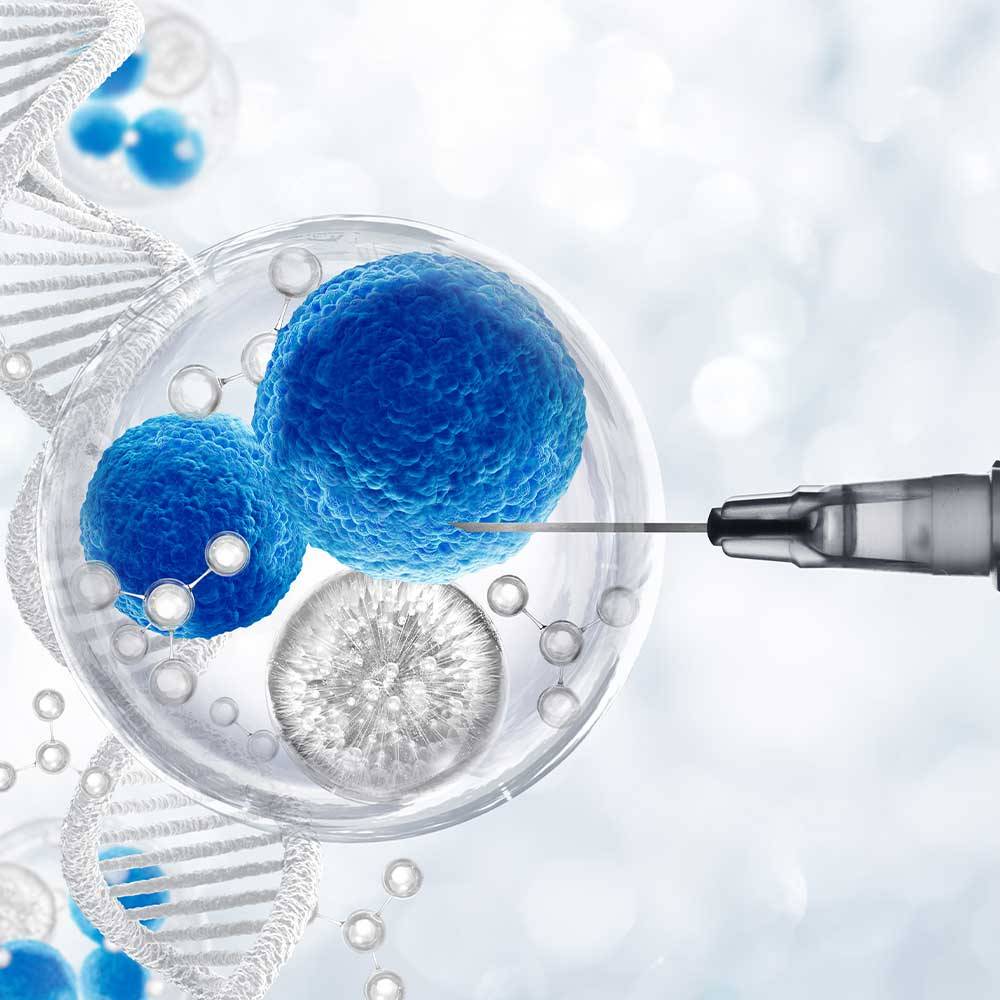
What Is a Fibroblast?
Fibroblasts are essential cells responsible for maintaining the youthfulness and health of the skin. They support collagen production to preserve the skin's elasticity and firmness.
What Is Autologous Fibroblast Therapy with Fibrocell?
A medical procedure that uses a patient's own skin cells. Special cells called fibroblasts are isolated and multiplied in a laboratory setting using a sample taken from the patient's skin. These multiplied fibroblasts are then used to address specific issues or improve the patient's skin.
How Is It Applied?
- Sampling from the patient's skin
- Multiplication of fibroblasts in a laboratory setting
- Preparation of the treatment area
- Injection of fibroblasts
- Recovery and follow-up
When Is It Used?
- Wrinkles and skin aging
- Sun damage and sunspots
- Scars and marks from surgery or injuries
- Acne scars
- Skin tightening and firmness
- Pigmentation issues
- Skin rejuvenation
Pre and Post-Treatment Phases
Pre-Treatment
Consultation, customized treatment planning, and patient preparation are essential first steps.
Post-Treatment
The skin enters a healing process. Results become apparent over time. Follow-up appointments monitor progress.
Advantages
- Uses the patient's own skin cells, reducing allergic reaction risk
- Customizable to individual skin needs
- Minimal surgical intervention
- Long-lasting results
Disadvantages
- Higher cost compared to other procedures
- Recovery process may include redness, swelling, or peeling
- Results take several weeks or months to appear
- May not be suitable for every skin issue
Side Effects and Risks
Side Effects
- Mild redness and swelling (usually temporary)
- Skin peeling or flaking
- Pain or sensitivity
- Rare color changes
Risks
- Infection risk during procedure
- Allergic reactions (rare)
- Inflammation in injection areas
- Rare permanent side effects