
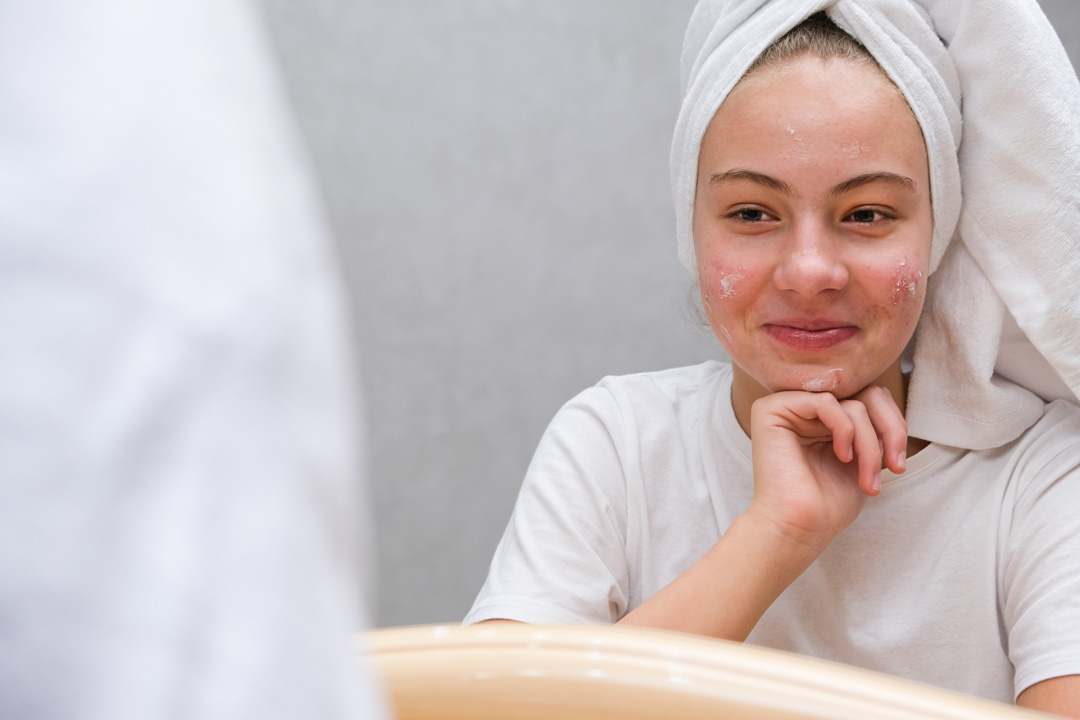
Acne is a common skin problem that can be seen from adolescence into adulthood, caused by the overactivity of sebaceous glands and clogging of pores. According to Assoc. Prof. Dr. Nur Cihan Coşansu, when the care of acne-prone skin is not supported by products and routines appropriate to the skin structure, acne formation increases and leaves scars. Therefore, establishing the right care habits plays a critical role both in reducing existing lesions and in preventing new pimples.
In acne-prone skin, excess oil production, accumulation of dead cells in pores, and bacterial infections are common. Additionally, wrong product use and harsh cleansers weaken the skin barrier and worsen the condition. Therefore, the care process is not limited to cleansing alone; it also requires a balancing, regular routine that protects the skin barrier. In this article, we discuss effective and reliable care recommendations for acne-prone skin in detail with scientific grounds.
Basic Care Recommendations for Acne-Prone Skin
Acne-prone skin requires a special care routine due to increased oil production and the tendency for pores to clog. Wrong product use or irregular care habits can increase existing acne and cause the formation of new lesions. Therefore, a balanced and sustainable care approach appropriate for the skin type should be adopted.
The right care routine not only reduces acne formation but also strengthens the skin barrier, providing a healthier appearance in the long term. In this process, gentle care, regular application, and right product selection play a decisive role.
1. Gentle and Regular Cleansing
Cleansing in acne-prone skin is one of the most important steps in the care routine. Oil, dirt, and makeup residues accumulated during the day can trigger acne formation by clogging the pores. Therefore, it is recommended to gently cleanse the skin twice a day, in the morning and evening, in a way appropriate to the skin type.
The products to be used during cleansing should have a light formula that does not disrupt the moisture balance of the skin. The points to be considered in this process are:
- Avoid soap-based and harsh-content products
- Prefer cleansers containing salicylic acid or benzoyl peroxide
- Do not rub the skin with harsh movements and protect from irritation
A gentle cleansing routine balances excess oil on the skin while reducing the risk of acne formation.
2. Regular Moisturizing
Moisturizing is a frequently neglected step in acne-prone skin. However, oily skin also needs moisture. Insufficient moisturizing triggers the skin's defense mechanism, causing it to produce more oil. This leads to pore clogging and increased acne formation.
Therefore, light, water-based, and non-comedogenic moisturizers should be preferred. With proper moisturizing, the skin barrier is strengthened, the skin becomes more balanced, and gains a more resistant structure against external factors. This step plays an important supportive role in acne control.
3. Use of Sunscreen
Sun rays both increase irritation in acne-prone skin and cause acne scars to darken. Therefore, the use of sunscreen should be an important part of the daily care routine. This step becomes even more important in individuals undergoing acne treatment because their skin becomes more sensitive.
Things to consider when choosing sunscreen are:
- Prefer fragrance-free and oil-free formulas
- Provide broad-spectrum (UVA and UVB) protection
- Use products containing at least SPF 30
Regular use contributes to maintaining skin tone and progressing the treatment process more healthily.
4. Peeling and Exfoliation
Chemical peeling products that remove dead cells without abrading the skin are used 1-2 times a week. Alpha hydroxy acids (AHA) and beta hydroxy acids (BHA) help cleanse pores and renew the skin surface.
However, applying excessive peeling damages the skin barrier. Therefore, frequency of use and product content should be chosen carefully.
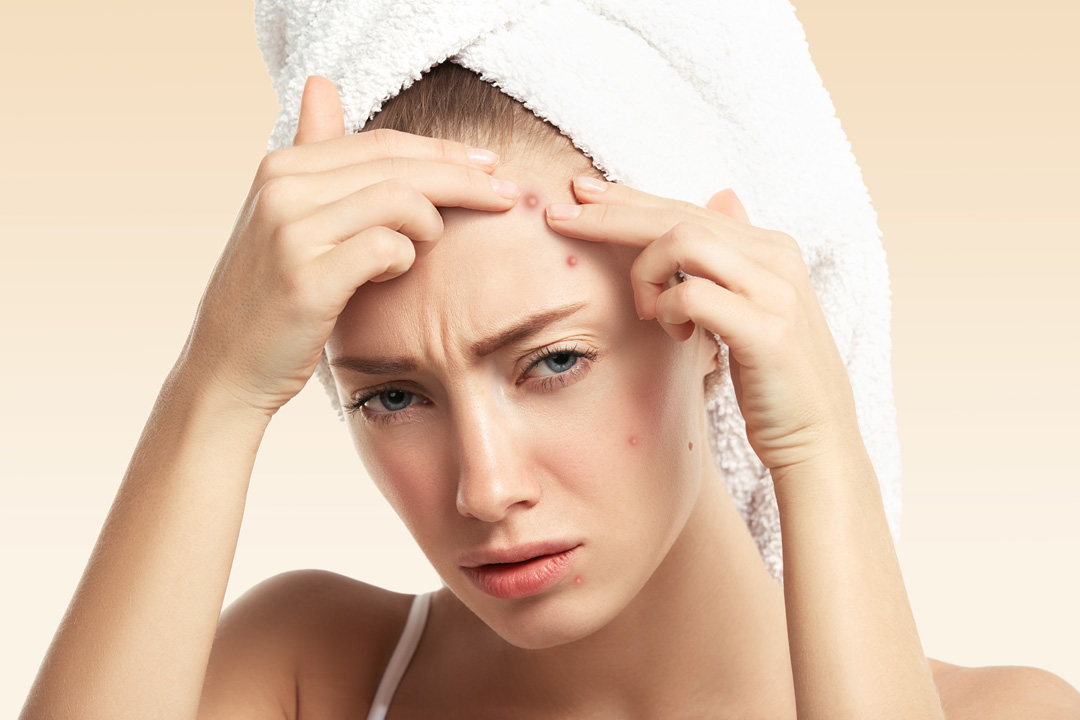
5. Dermocosmetic Product Selection
In product selection, products labeled "non-comedogenic" and dermatologically tested should be preferred. Heavy-textured or oily products may trigger new acne formation.
Additionally, avoiding products with high alcohol content or strong fragrance in the ingredient list helps reduce skin sensitivity.
6. Skin Doctor Check-up
In severe or widespread acne, consulting a dermatologist is important. Topical treatments, oral medications, or advanced dermatological applications should be planned with expert recommendations.
Self-treatment methods may be inadequate, especially in severe acne cases, and can lead to permanent scars on the skin.
Acne-prone skin can be controlled with the right products and regular care. According to Assoc. Prof. Dr. Nur Cihan Coşansu, gentle cleansing, appropriate moisturizing, and sun protection are basic steps to reduce pimple development. Additionally, skin health should be supported with peeling and the right dermocosmetic product selection.
It should not be forgotten that in severe cases, dermatologist supervision is absolutely necessary. Through regular and conscious care habits, it is possible to achieve a healthier, more balanced, and vibrant skin appearance.