

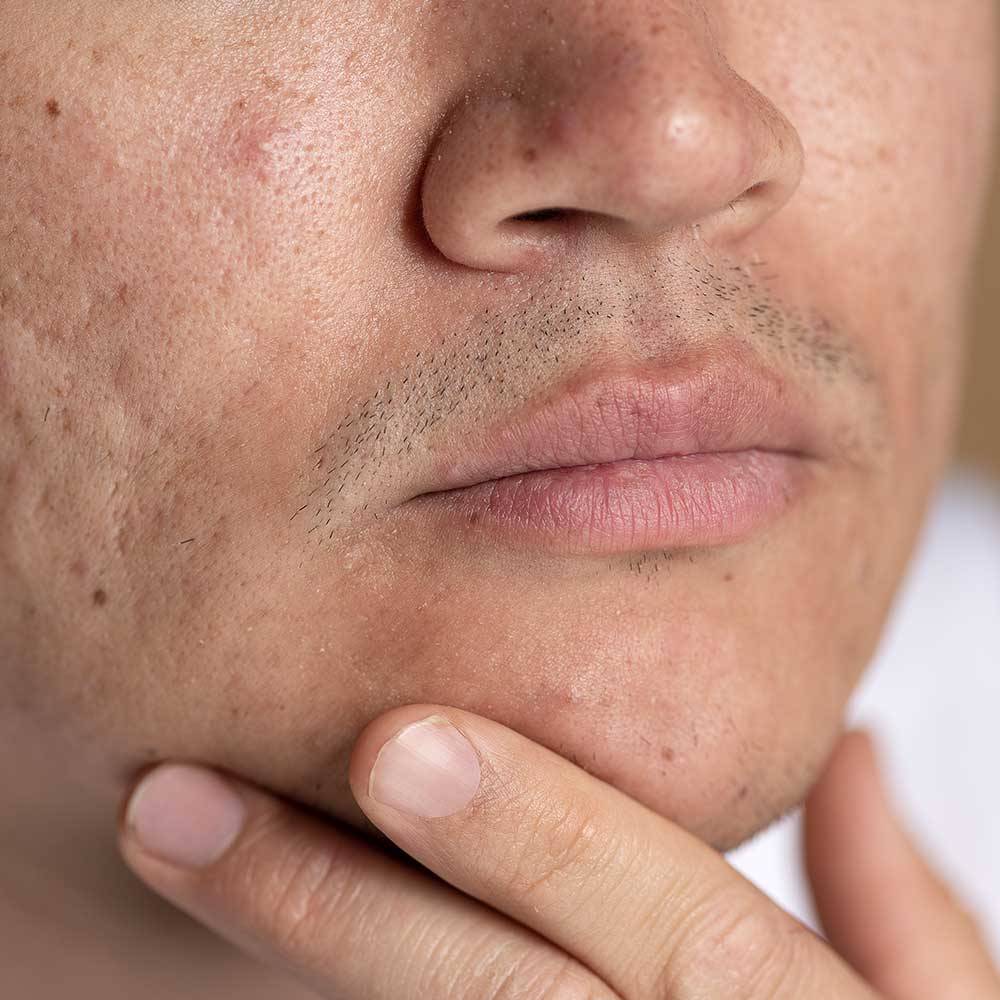
Acne (pimples) negatively affects the lives of many people. Because pimples on the skin cause discomfort both aesthetically and psychologically. Causes of acne include genetic factors, nutrition, and improper skin care. However, with the right habits it is possible to prevent acne formation.
What Is Acne?
Acne is a skin disease that occurs as a result of clogging and inflammation of the sebaceous glands in the skin. It usually appears in areas such as the face, back, shoulders, and chest.
Acne can manifest in different forms such as pimples, blackheads, whiteheads, cysts, and pustules. Although it is common during puberty due to hormonal changes, it can also occur in adults.
Why Does Acne Form?
There are many factors that cause acne formation. Some of these factors are as follows:
- Excess Oil Production (Sebum): When the sebaceous glands in the skin begin to produce excess sebum (oil), the pores become clogged. This leads to the accumulation of bacteria and the formation of pimples.
- Pore Clogging: Oil mixes with dead skin cells and clogs the pores. Bacteria multiply in clogged pores. This causes inflammation.
- Bacterial Infection (Propionibacterium Acnes): When this bacterium naturally found in the skin multiplies in clogged pores, inflammation and pimple formation begin.
- Hormonal Changes: Especially during puberty, menstruation, pregnancy, and use of birth control pills, changes in hormone levels can increase oil production and cause acne.
- Genetic Factors: A predisposition to acne can be seen in people with a family history of acne.
- Stress: Stress can increase oil production by affecting hormones. This can trigger acne formation.
- Insufficient Skin Care: Inadequate cleansing of dirt and makeup on the skin can cause pore clogging.
- Environmental Factors: Hot weather, humidity, polluted air conditions, or excessive friction on the skin (e.g., the phone touching the skin) can also trigger acne.
- Diet: Excessive consumption of high-sugar and processed foods can increase inflammation that may lead to acne.
Tips to Prevent Acne Formation
The 8 ways to prevent acne formation are as follows:
Pay Attention to Skin Cleansing
The skin is exposed to environmental factors throughout the day. Dirt, oil, and makeup residues clog the pores. This leads to acne formation. Additionally, the face should be cleansed twice a day, in the morning and evening. Gentle cleansers suitable for the skin type should be preferred.
Use Oil-Free and Water-Based Products
Skincare and makeup products can affect acne formation. Oil-based products clog the pores and increase acne formation. Therefore, water-based and non-comedogenic products should be preferred.
Pay Attention to Your Eating Habits
Nutrition directly affects skin health. Excessively oily, sugary, and processed foods can cause acne. Foods containing omega-3, vegetables, and plenty of water consumption keep the skin healthy.
Keep Stress Under Control
Stress increases the skin's oil production. This triggers acne formation. Meditation, sports, and regular sleep reduce stress levels. This also makes the skin look healthier.
Keep Your Hands Away from Your Face
Hands touch many surfaces throughout the day. Touching the face causes bacteria to be transferred to the skin. This increases the risk of infection. Therefore, hands should be kept clean and not brought into contact with the face.
Use the Right Moisturizer
Moisturizing the skin balances oil production. Oil-free and water-based moisturizers should be preferred. When the skin is left without moisture, it produces more oil. This also increases acne.
Don't Neglect Sunscreen
Sun rays irritate the skin. They also cause acne spots to darken. Oil-free and light-formula sunscreens protect the skin. Sunscreen should be used daily.
Do Peeling Appropriate for Your Skin Type
Dead cells and excess oil clog the pores. Regular peeling rids the skin of dead cells. However, too frequent peeling can irritate the skin. A gentle peeling 1-2 times a week is sufficient.