
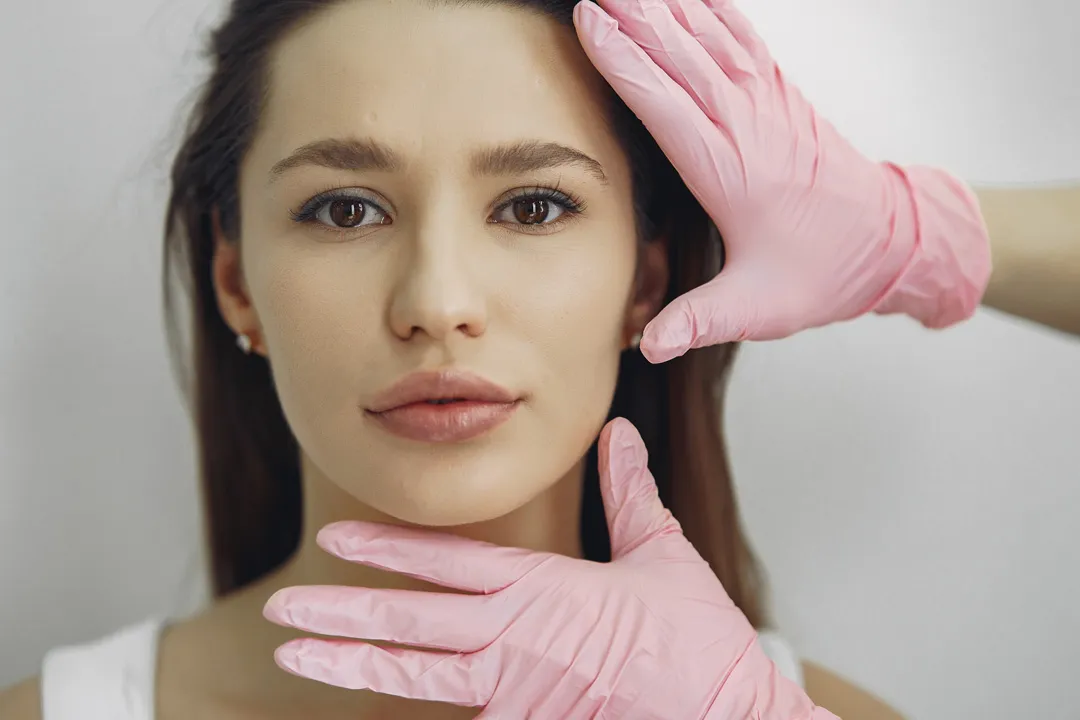
What Is Facial Asymmetry?
Facial asymmetry is a common condition that can cause aesthetic concerns for many people. The human face is naturally not perfectly symmetrical. However, noticeable differences can affect a person's facial expression and self-confidence. Facial asymmetry may occur due to genetic structure, muscle activity, aging, trauma, or changes in the underlying soft tissues.
According to Assoc. Prof. Dr. Nur Cihan Coşansu, detailed evaluation and personalized treatment planning are the most important aspects of treating facial asymmetry. Today, more balanced and natural-looking facial contours can be achieved through dermatological and medical aesthetic procedures.
What Is Facial Asymmetry?
Facial asymmetry refers to differences in shape, volume, or proportions between the right and left sides of the face.
This condition may:
- Be naturally present to a mild degree
- Develop later in life
- Be related to facial expressions
- Become more noticeable with aging
In some people, asymmetry may only be noticeable in photographs, while in other cases it can become apparent in everyday life.
What Causes Facial Asymmetry?
Facial asymmetry refers to noticeable differences between the right and left sides of the face. A completely symmetrical face is actually quite rare, and mild asymmetries are generally considered natural. However, in some cases, these differences can become more pronounced and lead to aesthetic concerns or functional problems.
Facial asymmetry can develop due to various factors, including bone structure, muscle balance, skin tissue, and aging. Some individuals have asymmetry from birth, while others develop it over time. Accurately identifying the underlying cause is important for creating an appropriate treatment plan.
Genetic Factors
Congenital differences in bone and facial structure can contribute to asymmetry.
Imbalance in Muscle Activity
If the muscles on one side of the face are more active, this may result in:
- Uneven eyebrows
- Jaw deviation
- Smile asymmetry
Aging
Collagen loss and volume loss can cause certain areas of the face to become sunken.
Trauma and Surgery
Previous injuries or surgical procedures can affect facial balance.
Dental and Jaw Problems
Jaw alignment problems and dental irregularities can alter facial appearance.
Skin and Soft Tissue Problems
Scar tissue or loss of elasticity can affect facial contours.
Dermatological Solutions for Facial Asymmetry
The treatment method used for facial asymmetry is determined according to the cause and severity of the asymmetry. Dermatological treatments can help balance facial contours, particularly in cases of mild to moderate asymmetry.
Dermatological solutions may include:
- Botulinum toxin treatments
- Hyaluronic acid-based dermal fillers
- Collagen-supporting treatments
- Skin-tightening laser and radiofrequency treatments
- Mesotherapy and PRP treatments
- Focused ultrasound treatments
Botulinum toxin treatments can help reduce muscle imbalances, while fillers can help balance areas with volume deficiencies. Skin-tightening treatments may also contribute to reducing asymmetries associated with aging.
A dermatological evaluation is essential for developing the appropriate treatment plan. With a personalized approach, a more balanced, natural, and harmonious facial appearance can be supported.
1. Facial Asymmetry and Hyaluronic Acid Fillers
Dermal fillers are among the most commonly preferred methods for treating facial asymmetry.
Fillers can be applied to areas with volume deficiency to create a more balanced appearance.
Treatment Areas
- Cheeks
- Jawline
- Cheekbones
- Lip area
- Under-eye area
According to Assoc. Prof. Dr. Nur Cihan Coşansu, fillers performed using the appropriate technique can provide natural-looking results.
2. Botox for Facial Asymmetry
Botulinum toxin treatments can be effective for asymmetries caused by muscle activity.
Conditions That May Be Addressed with Botox
- Uneven eyebrows
- Dominant jaw muscles
- Smile asymmetry
- Differences in facial expressions
By helping the muscles work in a more balanced manner, a more symmetrical facial expression may be achieved.
3. Laser and Radiofrequency Treatments
These treatments can:
- Support skin tightening
- Stimulate collagen production
- Define facial contours
They can play a supportive role, particularly in asymmetries associated with aging.
Advantages
- Do not require surgery
- Generally involve a short recovery period
- Can improve skin quality
4. PRP and Mesotherapy
These treatments, which are used for skin rejuvenation, can support a healthier appearance of facial tissues.
PRP Treatment
Plasma obtained from the patient's own blood is applied to the skin.
Mesotherapy
Vitamins, amino acids, and minerals are delivered into the skin.
These treatments may particularly be used for:
- Improving skin quality
- Reducing the appearance of loss of elasticity
- Providing supportive treatment
What Should Be Considered When Treating Facial Asymmetry?
Treatment planning should take the following into account:
- Facial proportions
- Facial movements
- Muscle structure
- Skin quality
- The patient's expectations
The goal is not to create completely artificial symmetry, but rather to achieve a natural and balanced appearance.
Who Is It Suitable For?
The following individuals may be suitable for dermatological evaluation:
- People experiencing facial volume loss
- Individuals with uneven eyebrows or jawline
- People concerned about smile asymmetry
- Individuals experiencing facial imbalance due to aging
- People who do not want surgical treatment
Are Facial Asymmetry Treatments Permanent?
The duration varies depending on the type of treatment.
Dermal Fillers
They generally remain effective for approximately 12–18 months.
Botox
The effects generally last approximately 4–6 months.
Laser and Skin Rejuvenation Treatments
They can provide longer-term support, particularly when performed regularly.
What Should Be Considered After Treatment?
- Avoid intense exercise during the first 24 hours.
- Do not apply pressure to the treated area.
- Use sunscreen.
- Follow the doctor's recommendations carefully.
Facial asymmetry is a common condition that may develop due to genetic structure, aging, muscle activity, and volume loss. According to Assoc. Prof. Dr. Nur Cihan Coşansu, hyaluronic acid fillers, Botox, laser systems, and skin rejuvenation treatments can help create a more balanced facial appearance. The most important aspect of treatment is achieving aesthetic harmony while preserving the individual's natural facial structure. Therefore, facial asymmetry should always be evaluated by a qualified dermatology specialist.