
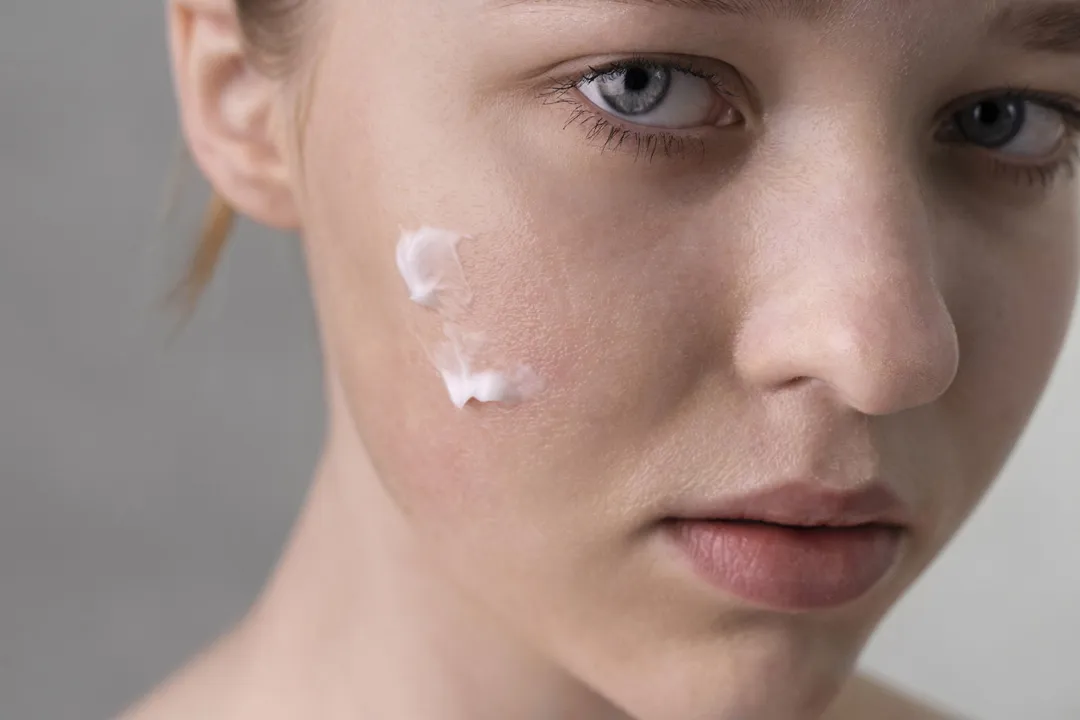
Seasonal transitions are periods of significant environmental changes that can directly affect skin health. Particularly in spring and autumn, changes in temperature, humidity, and wind can weaken the skin barrier. This may lead to an increase in symptoms such as redness, dryness, itching, and sensitivity, resulting in seasonal skin sensitivity.
According to Assoc. Prof. Dr. Nur Cihan Coşansu, protecting the skin barrier, using appropriate skincare products, and supporting the skin against environmental factors are key to reducing skin sensitivity. With regular and proper skincare, sensitivity can largely be kept under control.
What Is Seasonal Skin Sensitivity?
Seasonal skin sensitivity refers to a condition in which the skin becomes more reactive due to changes in weather conditions.
During this process, the skin may:
- Become irritated more easily
- Lose moisture
- Become more vulnerable to external factors
Symptoms may be more pronounced, particularly in people with sensitive, dry, or thin skin.
What Causes Seasonal Skin Sensitivity?
Seasonal transitions can make it more difficult for the skin to adapt to changing environmental conditions. Sudden changes in temperature, humidity, and weather conditions can weaken the skin barrier and trigger sensitivity. This may manifest as dryness, redness, and irritation.
Some skin types are more sensitive to seasonal changes than others. Environmental factors may trigger faster reactions, particularly in individuals with sensitive skin. Therefore, protecting the skin barrier and adopting proper skincare habits are highly important.
The main factors that may contribute to seasonal skin sensitivity include:
Seasonal Skin Sensitivity and Weather Changes
Sudden temperature changes and low humidity can weaken the skin barrier.
Wind and Cold Weather
Cold weather can cause the skin to lose moisture.
Allergens
Pollen, dust, and environmental particles may increase skin sensitivity.
Using the Wrong Products
Products containing alcohol and harsh chemicals may irritate the skin.
Genetic Predisposition
Some skin types are more sensitive to environmental changes.
What Are the Symptoms of Seasonal Skin Sensitivity?
Seasonal skin sensitivity can occur with various symptoms as a result of a weakened skin barrier. These symptoms may be mild, while some individuals may experience them more intensely. They can develop more quickly, especially in people with sensitive skin.
The most common symptoms include:
- Redness
- Burning sensation
- Dryness
- Flaking
- Itching
- A feeling of tightness
- Dull appearance
- Increased sensitivity
These symptoms can affect daily comfort and cause persistent discomfort in the skin. Seasonal sensitivity may become more pronounced, particularly in individuals with skin conditions such as rosacea and atopic dermatitis.
If skin sensitivity persists for a prolonged period, a dermatological evaluation is important. Supporting the skin barrier through appropriate skincare products, regular moisturizing, and sunscreen use can help improve skin resilience.
How Can Seasonal Skin Sensitivity Be Reduced?
1. Strengthen the Skin Barrier
Protecting the skin barrier is one of the most important steps.
The following ingredients may be preferred in moisturizers:
- Ceramides
- Hyaluronic acid
- Glycerin
- Panthenol
Regular moisturizing can help protect the skin against external factors.
2. Use Gentle Cleansers
Harsh cleansers can disrupt the skin's natural oil balance.
Therefore, products that are:
- Sulfate-free
- Alcohol-free
- Fragrance-free
- pH-balanced
should be preferred.
3. Do Not Neglect Sunscreen
UV radiation affects the skin not only during the summer but throughout the year.
Therefore, daily use of:
- At least SPF 30
- Broad-spectrum sunscreen
is recommended.
4. Protect Your Skin from Environmental Factors
Cold weather and wind can contribute to skin barrier damage.
Therefore, the use of:
- Hats
- Scarves
- Barrier-supporting creams
may help protect the skin.
5. Pay Attention to Your Diet
Skin health is not limited to external skincare.
The following foods may provide support:
- Foods rich in omega-3 fatty acids
- Antioxidant-rich vegetables
- Vitamin C sources
Adequate water intake also contributes to maintaining the skin's moisture balance.
6. Avoid Excessive Peeling and Active Ingredients
During seasonal transitions, the skin may become more sensitive, which can contribute to seasonal skin sensitivity.
During this period:
- Frequent peeling
- Intensive use of acids
- Harsh exfoliation
may increase irritation.
7. Pay Attention to Sleep and Stress Management
Insufficient sleep and high levels of stress can negatively affect the skin barrier. On the other hand, regular sleep and effective stress management can support the overall appearance of the skin.
When Should You See a Dermatologist?
Professional evaluation is recommended in the following situations:
- Persistent redness
- Severe itching
- Burning sensation
- Cracked skin
- Eczema-like appearance
- Sensitivity that does not improve with home care
A dermatological evaluation can help establish an appropriate skincare plan for seasonal skin sensitivity.
Which Skin Types Are More Affected During Seasonal Transitions?
The following skin types may experience more intense sensitivity:
- Dry skin
- Sensitive skin
- Rosacea-prone skin
- Individuals prone to atopic dermatitis
Seasonal skin sensitivity is a common skin concern that may occur due to weather changes, low humidity, environmental factors, and the use of inappropriate skincare products. According to Assoc. Prof. Dr. Nur Cihan Coşansu, strengthening the skin barrier, using appropriate moisturizers, and applying sunscreen regularly play an important role in reducing sensitivity. Gentle skincare habits and a healthy lifestyle can help support the skin in remaining more balanced, healthy, and comfortable during seasonal transitions.