
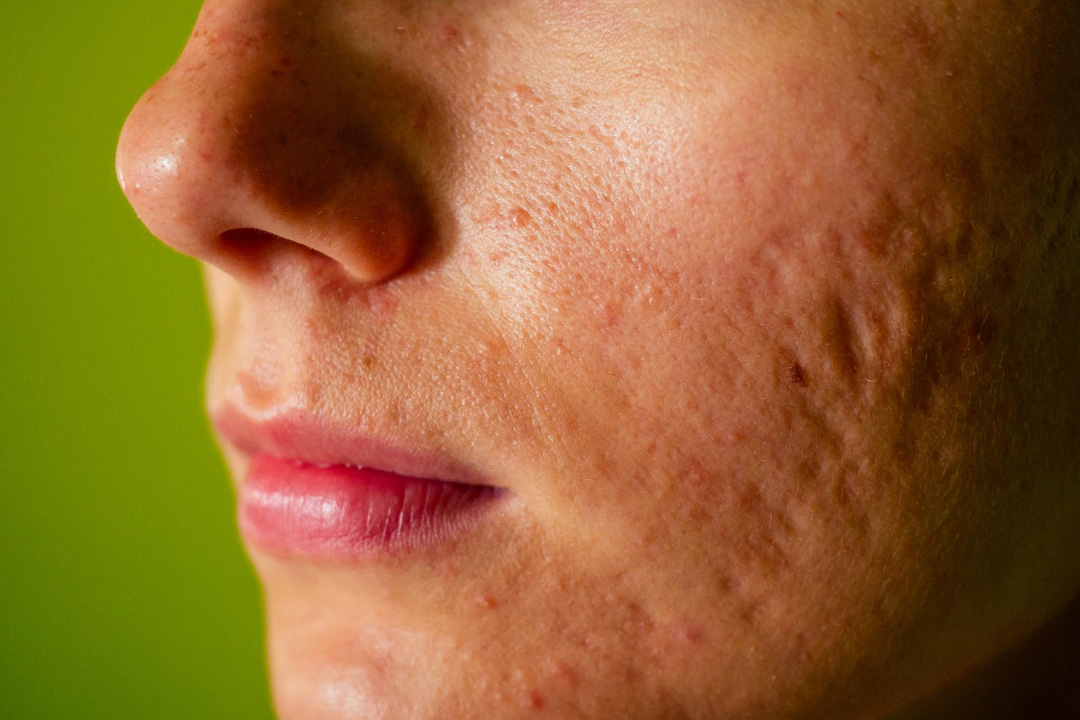
Acne scar treatment aims to eliminate skin tone unevenness and textural irregularities. Acne scars often become permanent when moderate or severe acne is treated late, incorrectly, or insufficiently. While mild acne can heal without leaving a mark, inflammatory and cystic acne can cause deep scars.
Among the most commonly used methods are subcision, fractional CO₂ laser, chemical peeling, stem cell therapies, PRP, mesotherapy, and microneedling. Spot treatment usually takes several sessions and is planned individually for each patient. One of the most effective acne scar treatments is fractional CO₂ laser applied in 2-4 sessions at one-month intervals. This both renews the skin texture and reduces scar visibility.
Why Do Acne Scars Form?
The main cause of acne scars is the trauma to the skin after acne. When pores fill with excess oil, bacteria, and dead cells, the follicle wall tears. When this tear reaches deeper layers, the infection spreads to the dermis and permanent damage occurs.
The skin produces collagen to repair this damage, but when imbalance occurs in this process, smooth tissue gives way to an uneven appearance. Deep inflammatory acne, especially nodular and cystic acne, is the most common cause of permanent scars. Genetic predisposition also affects the process; people with a family history of acne scars have a higher risk of scarring.
Squeezing or picking at pimples increases trauma and prevents skin healing. For this reason, early professional intervention in acne is important. Untreated acne leads to permanent tissue damage.
Types and Definitions of Acne Scars
Acne scars are evaluated in two main groups: discoloration and tissue loss.
- Pigmented scars: Appear with red (erythema), dark (hyperpigmentation), or light (hypopigmentation) color changes. These types of scars are usually superficial and fade over time with proper treatment.
- Atrophic and hypertrophic scars:
- Icepick scars: Deep and narrow holes, usually smaller than 2 mm.
- Boxcar scars: Sharp-edged, crater-like sunken scars.
- Rolling scars: Create a wavy surface on the skin.
- Keloid and hypertrophic scars: Raised, firm, protruding structures above the skin.
Correctly identifying the scar type is important in determining the right acne scar treatment. In some cases, color changes that look like scars are actually temporary pigmented spots.
Acne Scar Treatment Methods
The methods used in acne scar treatment vary according to the type and depth of the scars. Combined treatment approaches are preferred in clinical applications.
- Fractional CO₂ laser: Increases collagen production by creating microscopic columns in the skin.
- Enzymatic peeling: Contains many brightening acids; cleanses dead cells and evens out skin tone.
- Subcision: Releases fibrotic bands under the skin with special needles.
- Microneedling radiofrequency (Gold needle): Stimulates collagen production in deep layers.
- Chemical peeling: Effective on superficial and deep scars; AHA, BHA, and TCA acids are used.
- PRP: An injection treatment derived from the person's own blood that accelerates tissue repair with growth factors.
- Mesotherapy: Vitamins, peptides, and antioxidants are injected under the skin.
- Stem Cell Therapies: Stem cells obtained from the person's own fat tissue or post-auricular skin perform rapid tissue repair in the injected area.
At home, products containing vitamin A derivatives, azelaic acid, niacinamide, and propolis can be used as supportive care. However, wrong product selection can irritate the skin. Therefore, treatment must always be performed under the supervision of a specialist dermatologist.
Common Mistakes and Misconceptions
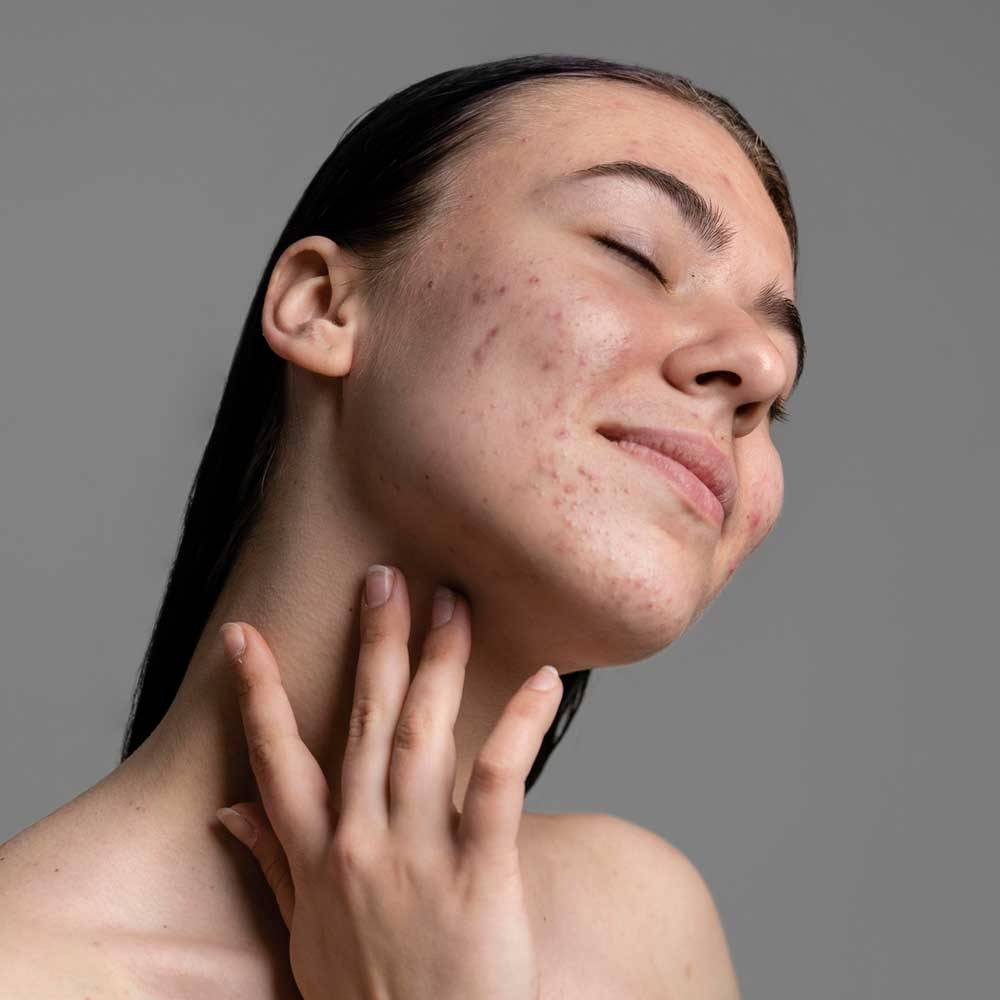
Squeezing pimples is the most common mistake that leads to deeper scars. Also, washing the skin excessively disrupts the oil balance and triggers acne. Gentle cleansing twice a day is sufficient.
The belief that sunbathing improves acne scars is also wrong. The sun causes increased pigmentation and darkens scars. Solarium applications are equally harmful.
Natural home mixtures such as vinegar, lemon, or baking soda can cause chemical burns. Also, the idea that medication that works for someone else will work for me is wrong. Each person's skin sensitivity and drug sensitivity may differ. Sometimes incorrect use of topical acne medications can cause skin irritation and pigmentation. Therefore, acne and acne scar treatment must always be done by a dermatology physician.
The right approach requires a personalized treatment plan created by an expert dermatologist. Acne scar treatment requires patience. Although visible results may not appear in the first few sessions, permanent improvement is achieved with regular continuation.
Correct diagnosis and treatment approach are very important in acne scar treatment. The appropriate treatment method should be selected according to the degree of damage to the skin. It should not be forgotten that late applications can cause acne and acne scars to become permanent.