
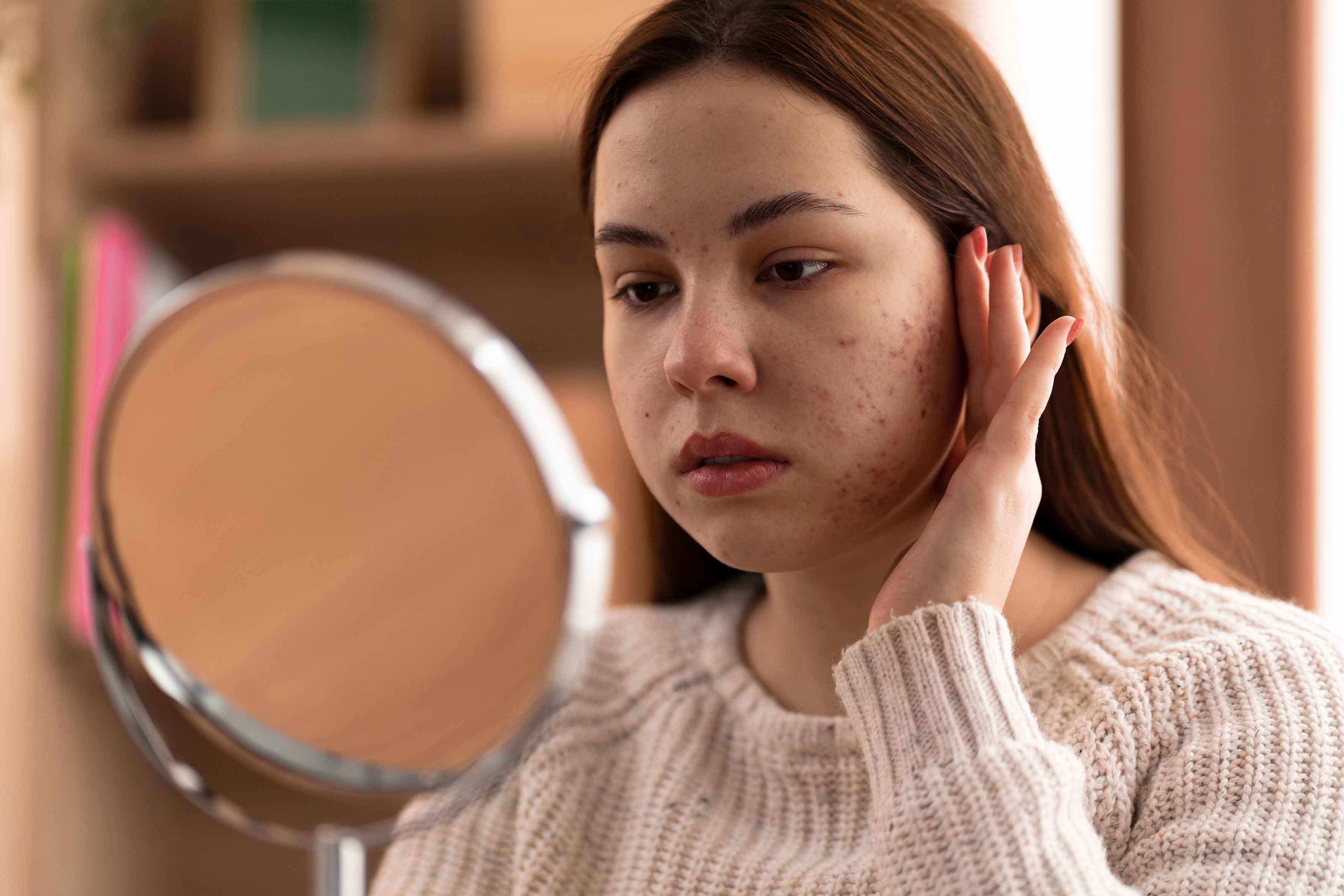
Acne, seen in 80% of people aged 11-30, is a skin problem that significantly affects quality of life. Mistakes made in acne treatment can prolong the treatment process and cause permanent scars.
Since the skin renews itself in approximately 28 days and the effects of acne treatment are seen at the earliest in 4-6 weeks, it is a process that requires patience. However, many people abandon treatment without waiting this period. One of the most important mistakes made during the acne treatment skin care process is using products unsuitable for the skin and constantly touching it. Therefore, knowing the right treatment approach is important for successful results.
Common Mistakes Made in Acne Treatment
Mistakes made in acne treatment often prolong the treatment process. This can also cause permanent scars. Misconceptions believed to be correct and impatience are the biggest factors that negatively affect our skin health.
- Using topical acne treatment medications in excessive amounts is one of the most common mistakes. These medications dry and irritate the skin. They should be applied in small amounts every other day for the first 10-15 days until the skin gets used to them. Applying moisturizer on top reduces side effects. Also, thinking of acne as only bacterial and trying to treat it with antibiotics alone is another common mistake. Comedolytic (blackhead-whitehead reducing) and sebum-balancing medications are also needed in acne treatment.
- Washing the face too frequently throughout the day is another mistake. This practice disrupts the skin barrier, causes dryness, and can worsen acne. Washing 1-2 times a day with a cleanser appropriate for the skin type and lukewarm water, and using a water-based moisturizer is sufficient. Additionally, washing the face with substances such as vinegar, baking soda, or rose water can irritate the skin and trigger acne.
- Not every side effect seen in acne treatment is an allergy. Topical acne medications usually show irritating side effects, while allergic reactions are rare. In case of irritation, the medication should be paused and moisturizer used. After side effects subside, the medication can be started by slowly accustoming the skin in small amounts at less frequent intervals.
- One of the most important mistakes is stopping treatment in a short time. Skin care in acne treatment requires patience. The medication should not be abandoned a few weeks after starting treatment because pimples did not go away. Response to treatment is usually evaluated after 2-3 months. Acne is a chronic skin disease that requires long-term and regular treatment.
Other common mistakes include squeezing pimples, sunbathing, using inappropriate cosmetic products, sleeping without removing makeup, and using medications based on personal recommendations. These mistakes can worsen acne and lead to permanent scars.
The Effect of Skin Care on Acne Formation
Skin care is a directly effective factor in acne formation. Wrong product use and inappropriate cleansing routines can trigger or worsen acne. When the sebum balance in the skin is disrupted, the pores become clogged and blackheads and pimples form. Therefore, it is ideal to cleanse twice a day appropriately for the skin type.
Common mistakes in skin care are:
- Skipping moisturizer because of oily skin
- Using cleansers harsh enough to dry the skin
- Using non-comedogenic-unsuitable products that clog pores
- Not doing regular exfoliation (peeling)
- Sleeping without removing makeup
Additionally, using the right skincare products during the acne treatment process increases the effectiveness of the treatment. It is important to prefer water-based and oil-free products. Since stress, nutrition, and sleep irregularities can also affect acne development, treatment should be addressed with a holistic approach.
Misconceptions About Acne
There are many widely known misconceptions about acne in society. These false beliefs form the basis of mistakes made in acne treatment and negatively affect the treatment process.
Acne Is Only an Adolescence Problem
This thought is completely wrong. Although acne is most commonly seen during adolescence, it can occur at any age. In fact, if there is treatment-resistant acne, pimples extending to the neck area, increased hair growth, and menstrual irregularities, underlying hormone disorders should be investigated.
Sunbathing and Solarium Are Good for Acne
This is also not true. Although the sun affects acne positively in the short term, long-term exposure increases the number of acne. In the solarium, uncontrolled light results in sweating and pore clogging.
Other common misconceptions are:
- Washing the face frequently prevents acne: On the contrary, frequent washing can worsen acne by increasing oil production. Washing only twice a day is sufficient.
- Makeup products do not cause acne: Oily and covering products can clog pores. Water-based and non-comedogenic products should be preferred.
- Squeezing pimples helps them heal quickly: This practice spreads the infection on the skin and causes scarring.
There are also misconceptions about nutrition. Chocolate, milk, oily foods, and high-glycemic-index foods can negatively affect the acne treatment process. Smoking and alcohol consumption also contribute to acne formation by damaging the skin structure.
Misinformation about home-made solutions is also common. Cleansing the face with substances such as vinegar, baking soda, and rose water can irritate the skin and flare up existing acne. Acne treatment skin care should be done with professional products.
Finally, the belief that "stress does not affect acne" is not true. Stress hormones can trigger pimple formation in acne-prone individuals. Therefore, managing stress is an important part of effective acne treatment.
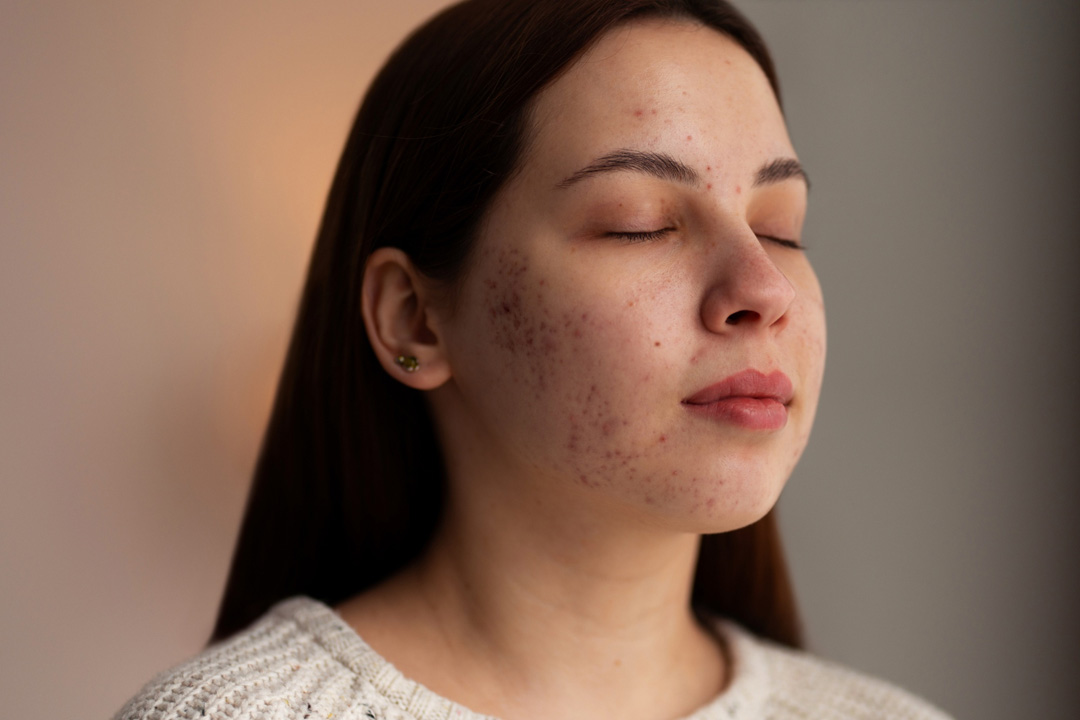
The Effect of Lifestyle and Habits
Our lifestyle and daily habits play a much greater role in acne formation than thought. One of the leading mistakes made in acne treatment is ignoring the effect of these factors. Scientific research confirms that modern eating habits pave the way for acne formation.
Stress
It is one of the strongest factors that trigger acne lesions. When our body is exposed to stress, hormones such as cortisol are secreted and sebaceous glands begin to produce more oil. This worsens existing acne while slowing the healing process. Techniques such as regular exercise, yoga, or meditation to cope with stress have a positive effect during the acne treatment process.
Nutrition
It has critical importance in acne formation. Milk and dairy products, processed sugary foods, and high-glycemic-index foods can trigger acne. Studies have shown that young people consuming 3 glasses of milk a day have more and more severe acne at a higher rate compared to those who consume one glass a week. Additionally, the sedentary lifestyle brought by modern life, high-calorie nutrition, and sitting in front of the computer for long periods can lead to uncontrolled food consumption and exacerbate acne.
Irregular Sleep, Insufficient Water Consumption, and Sedentary Life
These factors contribute to pimple formation by negatively affecting hormones. The high oil and sugar content in industrial food products in particular causes acne and many health problems. In addition, irregular eating habits disrupt the gut microbiota and negatively affect skin health.
How Should the Correct Approach Be in Acne Treatment?
For successful acne treatment, the right approach to prevent mistakes made in acne treatment is possible with a personalized and holistic treatment plan. First, consulting an expert dermatologist is very important to correctly determine the severity and type of acne. Consulting a health expert before starting treatment is the first step in minimizing side effects.
Proper acne treatment requires patience. Response to treatment should be evaluated after 2-3 months and should not be abandoned early. The treatment process may include topical and systemic medications, light treatments, or laser applications according to the severity of acne. Topical treatments reduce acne formation by opening pores and killing bacteria.
In severe acne cases, systemic treatments (oral antibiotics, isotretinoin) or hormonal treatments may be preferred. In addition, professional acne protocols, chemical peeling, laser, and light treatments also provide effective results.
In the correct acne treatment skin care approach, the following steps are important:
- Regular cleansing: 1-2 times a day with cleansers appropriate for the skin type
- Right product selection: Using non-comedogenic and oil-free products
- Moisturizing: Moisturizing the skin without drying it with water-based moisturizers
- Sun protection: Always using sunscreen during the treatment process
- Post-treatment care: Continuing to use retinoid creams 1-2 times a week after the acne has subsided
Additionally, low-glycemic-index nutrition, stress management, and regular sleep are factors that increase treatment success. Therefore, acne treatment should be carried out with a holistic approach, with patience, and under doctor supervision.