
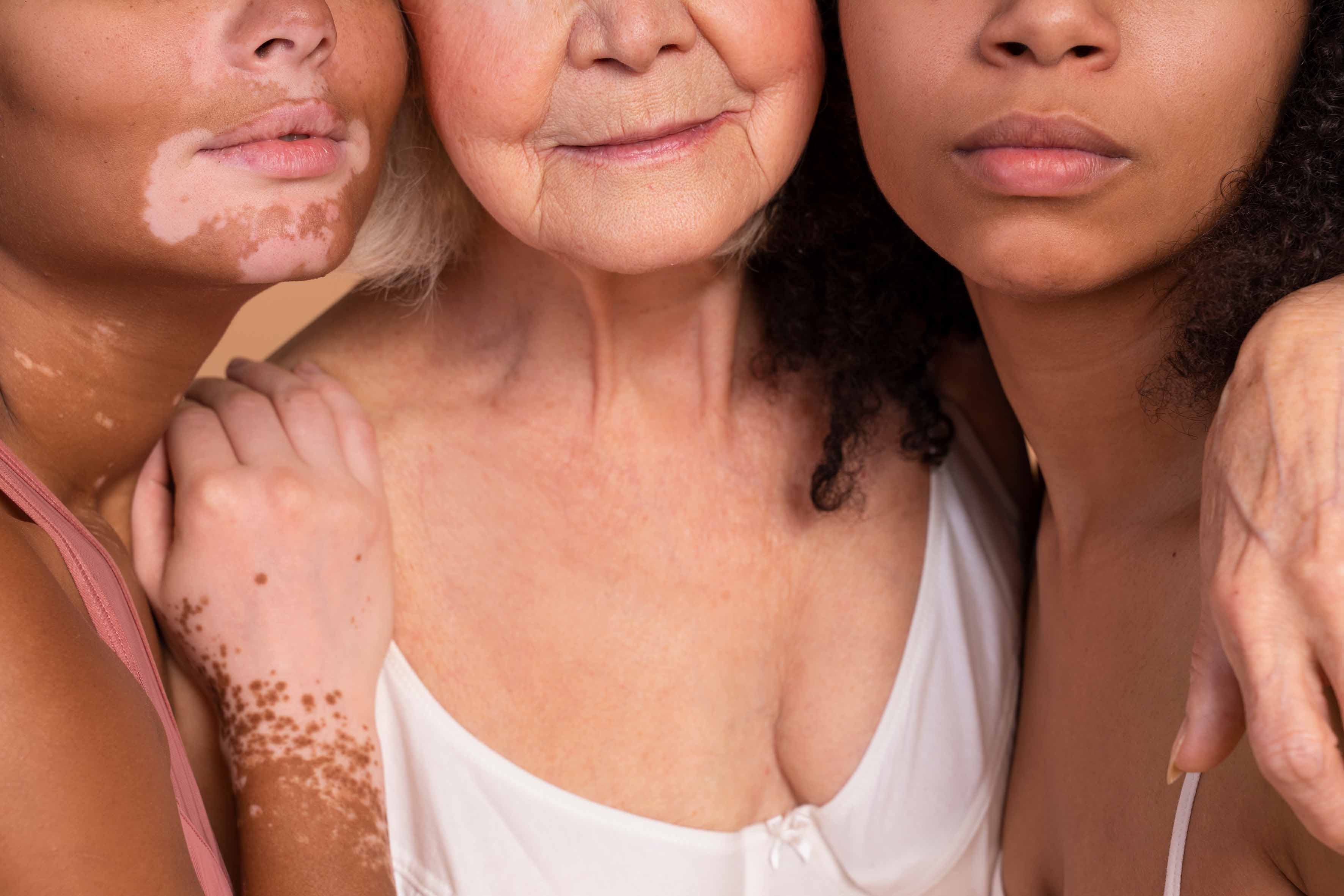
Skin type is a concept that varies from person to person, has unique characteristics, and requires different care needs. Since each of us has a unique skin structure, we first need to know what skin type we have to create an effective skincare routine.
What Is Skin Type?
Skin type is a concept that expresses the basic qualities and reactions of the skin. Actually, these qualities can vary according to genetic factors, lifestyle, environmental conditions, and health status. Each skin has its own unique needs. For this reason, to create an effective care routine, it is first necessary to correctly identify the skin type.
Skin types are examined in five basic categories: normal, dry, oily, combination, and sensitive. Various skin problems can occur in case of sebum (oil) deficiency or excess in the skin. Additionally, gender, age, and hereditary factors are also effective in the formation of skin type.
External factors such as humidity, temperature, and wind play a role not only in the formation of skin type but also in its change over time. Therefore, it is recommended to update skin care routines at different times of the year. The first step to having healthy, smooth, and vibrant skin is to recognize your skin type.
Having a professional skin type test is the most reliable way to correctly understand the needs of the skin. For this reason, it is recommended to consult a dermatologist.
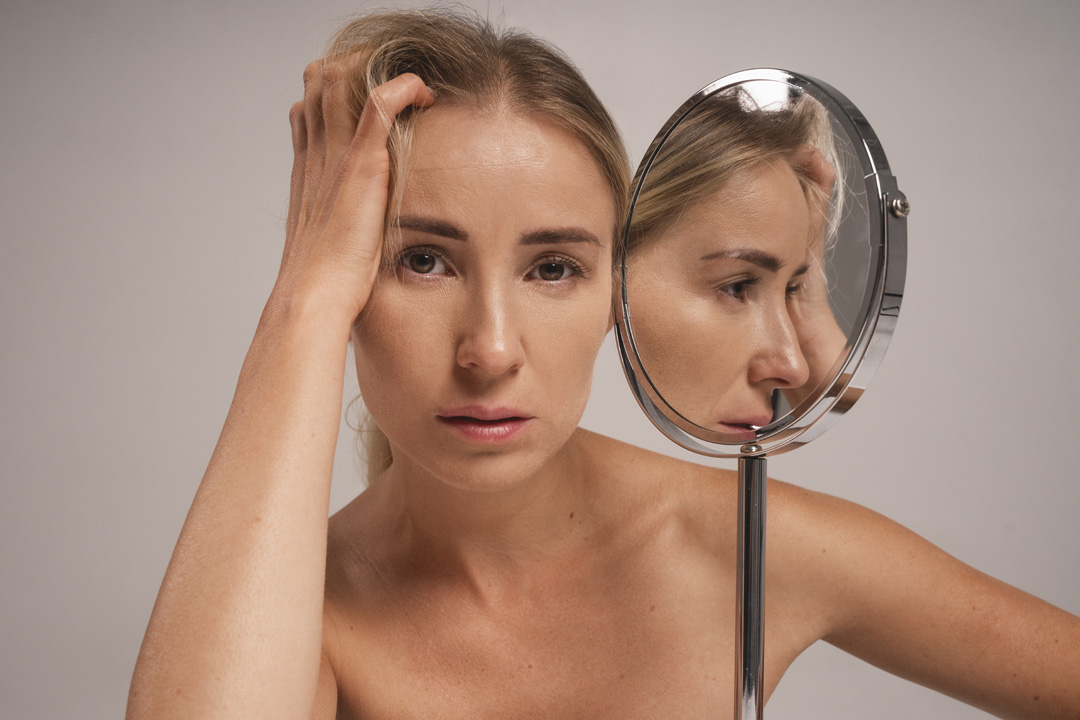
Skin Types and Their Features
To create a healthy skincare routine, it is extremely important to recognize your skin type. Since each skin has its own unique characteristics, the right care methods also differ. Here are the basic skin types and the determining features of these types.
Normal Skin
Normal skin, as the name suggests, has a balanced structure. This skin type is neither too oily nor too dry. The pores are small and tight, the skin texture is smooth and elastic. Normal skin has a healthy glow but does not show excessive oiliness. Problems such as pimples and blackheads are minimal. The T-zone may be slightly oily, but this oiliness is usually under control. Normal skin shows less sensitivity to environmental factors and cosmetic products.
Dry Skin
It is a skin type caused by insufficient moisture and sebum in the skin. The most distinctive features include a feeling of tightness, scaling, cracks, and itching in the skin. The pores are usually small, and the skin has a matte appearance. Dry skin is more prone to fine lines and wrinkles. Additionally, since the skin barrier is weak, it becomes more vulnerable to external factors.
Oily Skin
It is formed by the excessive production of sebum by the oil glands under the skin. A shiny and oily appearance, enlarged pores, blackheads, and a tendency to acne are the main features of this skin. Since oily skin generally has a thicker structure, wrinkles tend to form later. In the skin type learning process, the constant shining of the face and the recurrence of oiliness shortly after washing are signs of oily skin. Additionally, hormonal changes, stress, weather conditions, and dietary order play an important role in skin oiliness.
Combination Skin
The answer to the question what does combination skin mean is that different areas in the same skin show different characteristics. Generally, while the T-zone (forehead, nose, chin) is oily, the cheeks are dry or normal. This skin type is one of the most common types. In combination skin, the T-zone shows a shiny appearance, enlarged pores, and blackhead formation, while the cheeks and eye area may show signs of dryness. Therefore, it is important to respond to regional needs in the care of combination skin.
Sensitive and Atopic Skin
Sensitive skin is overly sensitive to external factors; symptoms such as redness, burning, stinging, and itching are common. People with a predisposition to rosacea in particular are included in this group. Worldwide, 70% of women and 60% of men have sensitive skin. Another group is people with atopic skin structure. Atopic skin, which occurs due to genetic and environmental factors, appears extremely dry, scaly, and irritated and is mostly seen in babies and children. Although most atopic skin improves during adolescence, in 30% of patients, complaints continue into adulthood.
How to Determine Skin Type?
To determine your skin type, you can do the following test: After washing your face with a gentle cleanser, wait for 1 hour without applying any product. Then evaluate the condition of your skin. If your skin is shiny throughout, it is oily; if it shows tightness, it is dry; if there is shine in the T-zone and dryness on the cheeks, it is combination; if there is no problem, it is normal skin.