
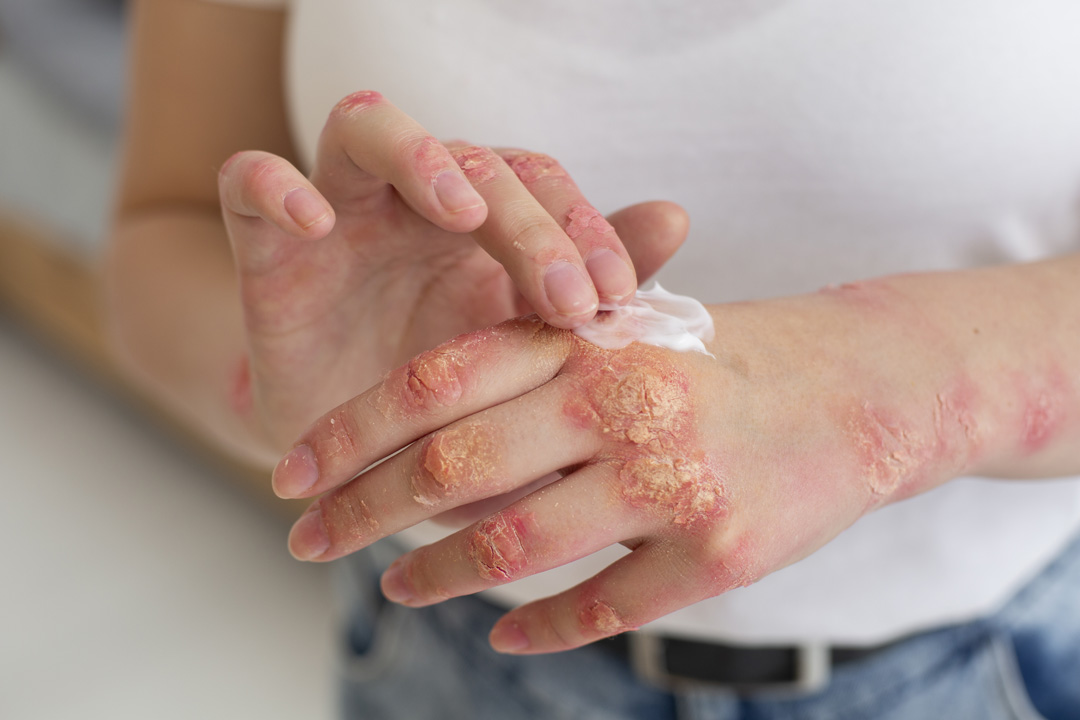
Eczema is a chronic skin disease that affects millions of people worldwide and can significantly impact quality of life. Although the disease shows itself in periodic flare-ups, the right treatment approaches can effectively control these flare-ups. According to Assoc. Prof. Dr. Nur Cihan Coşansu, clinical solutions for eczema flare-ups have made significant progress in recent years.
What Is Eczema and What Causes Flare-Ups?
Eczema (atopic dermatitis) is a chronic inflammatory skin disease characterized by itching, redness, and dryness of the skin. The disease progresses with periodic flare-ups and remission. Various factors can trigger flare-ups:
- Environmental Factors: Climate changes, low humidity, cold weather
- Allergens: Pollen, dust mites, certain foods
- Stress: Emotional stress can trigger or worsen flare-ups
- Skin Irritants: Harsh chemicals, perfumes, certain fabrics
- Infections: Bacterial, viral, or fungal infections
- Hormonal Changes: Pregnancy, menstruation, menopause
- Diet: Certain foods and beverages can trigger flare-ups
Clinical Treatment Methods for Eczema Flare-Ups
1. Topical Treatments
Topical treatments are the most commonly used first-line treatments for eczema flare-ups:
- Topical Corticosteroids: Reduce inflammation and itching. Effective in short-term use.
- Topical Calcineurin Inhibitors: Tacrolimus and pimecrolimus suppress the immune response.
- Topical PDE-4 Inhibitors: Crisaborole reduces inflammation.
- Moisturizers: Strengthen the skin barrier and prevent dryness.
2. Systemic Treatments
For severe eczema flare-ups, systemic treatments may be necessary:
- Oral Corticosteroids: Effective in severe flare-ups but should be used for a short time.
- Immunosuppressants: Cyclosporine, methotrexate, azathioprine
- Biological Treatments: Dupilumab and similar new-generation drugs
- JAK Inhibitors: Tofacitinib, baricitinib
3. Phototherapy
Phototherapy is an effective treatment method for eczema flare-ups. UVB and UVA-1 phototherapy reduces inflammation. Treatment is generally applied 2-3 times a week.
4. New-Generation Treatments
Significant developments have occurred in eczema treatment in recent years:
- Dupilumab: An IL-4 and IL-13 inhibitor
- Tralokinumab: Targets IL-13
- Topical JAK Inhibitors: Ruxolitinib cream
Preventive Measures and Lifestyle Changes
Skin Care
- Use mild, fragrance-free moisturizers
- Be careful when bathing and use warm water
- Pat skin dry instead of rubbing it
- Avoid harsh soaps and cleansers
Environmental Control
- Use a humidifier
- Keep dust mites under control
- Avoid known allergens
- Wear clothing made of cotton fabrics
Diet and Lifestyle
- Maintain a healthy and balanced diet
- Drink plenty of water
- Maintain stress management
- Maintain regular sleep habits
- Exercise regularly
Although eczema flare-ups can negatively affect quality of life, they can be successfully managed with modern clinical treatments. A personalized treatment plan, regular follow-up, and proper lifestyle changes are key to controlling flare-ups. By working with an expert dermatologist, you can effectively manage your eczema flare-ups.