
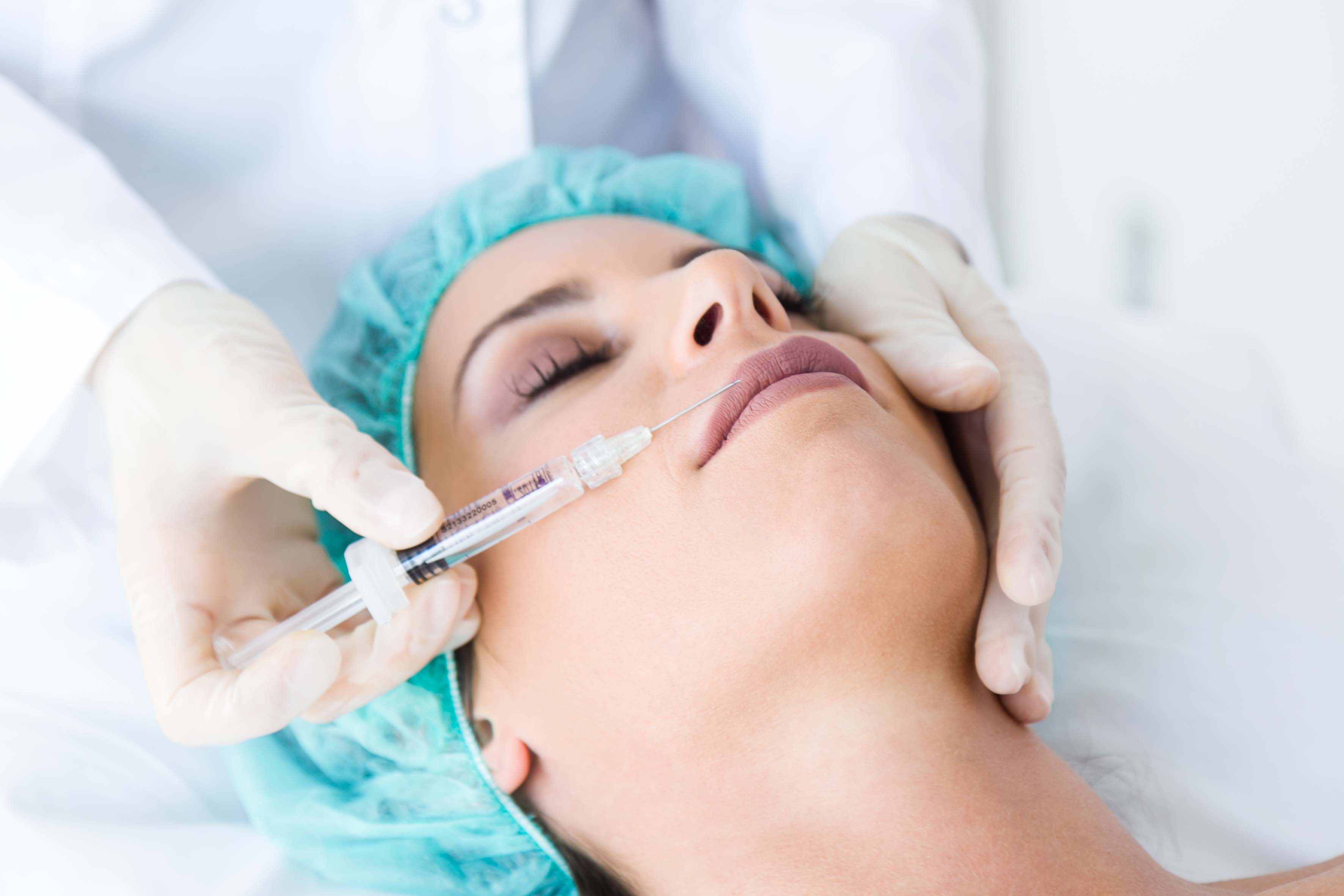
Botox appears today as the most commonly applied method in wrinkle treatments. Actually, botox is a toxin obtained from a bacterium called Clostridium botulinum and acts on the muscle-nerve junction, creating temporary and controlled paralysis in muscles. It is applied to specific facial points with very thin needles and usually does not cause much pain.
In this article, you will find answers to all the questions you are curious about regarding botox. We will share important information such as the duration of botox's effect, frequency of repetition, who it is suitable for, and that, contrary to popular belief, it is not snake venom.
What Is Botox and How Does It Work?
Botox is one of the most powerful known biological toxins. It is derived from the Latin word "botulus" (sausage). This name comes from its first identification during a gastroenteritis outbreak caused by sausage poisoning. Botulinum toxin, produced by Clostridium botulinum, a Gram-positive, anaerobic, spore-forming bacterium, is essentially a neurotoxic protein.
The mechanism of action of botox is quite interesting. It causes muscles to be temporarily paralyzed by preventing the release of acetylcholine from nerve endings. Thus, it helps reduce wrinkles. Its effect begins within 2-3 days, reaches maximum within 10 days, and lasts 3-6 months. The most commonly used botulinum toxin type is type A. In addition to aesthetic applications, it is also effective in the treatment of medical conditions such as migraines, strabismus, and excessive sweating.
Areas and Duration of Botox Use
Botox applications are not limited to cosmetic purposes. This method, which is also widely used in medical fields, offers solutions that improve quality of life.
- Botox application to underarms, palms, and soles: Can effectively stop excessive sweating (hyperhidrosis) for 6-7 months.
- Chronic migraine treatment: Botox injections every 3 months reduce the frequency and severity of headaches.
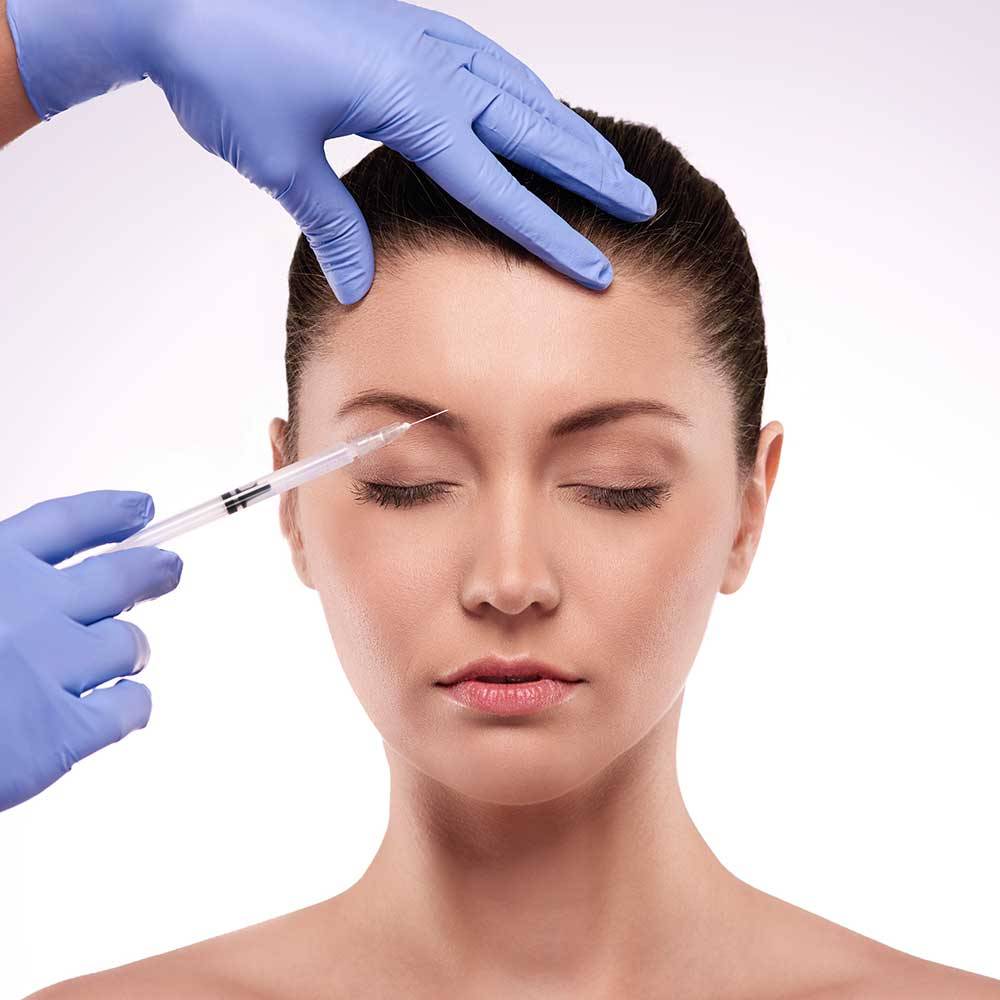
- Forehead, between eyebrows, and crow's feet applications: These areas are the most commonly used aesthetic botox areas to reduce wrinkles.
- Duration of effects: Shows effect for 4-6 months on the forehead, 3-4 months around the eyes, 4-5 months on jaw and neck muscles.
- Botox for bladder problems: Can improve bladder control for 6-12 months.
- Bruxism (teeth grinding) treatment: Provides relief for 4-6 months with injections to the jaw muscles.
- Use in facial asymmetries and muscle spasms: Preferred in the treatment of muscle-related disorders such as cervical dystonia.
The things to consider before and after botox are knowing that the effect of the application is temporary and needs to be regularly repeated. Additionally, it can be used safely in FDA-approved medical applications. In addition, it can be applied especially in low doses to reduce wrinkles by preserving the natural appearance without freezing facial expressions.
Things to Consider Before and After Botox
To get maximum benefit from botox application, some rules must be followed before and after the procedure. Before the procedure, it is important to stop blood-thinning medications, anti-inflammatory medications such as aspirin and ibuprofen at least 7 days before. Additionally, consumption of alcohol, especially red wine and garlic, should also be stopped 7 days before the application as they increase the risk of bruising.
The first 4 hours after the procedure are critical. During this period:
- You should stand upright, not lie down, and not bend forward.
- The applied area should not be touched or massaged.
- You should keep your head elevated and not lie face down.
- You can return to daily life within the first 2-4 hours but should avoid sports and excessive facial movements.
An important point to consider after botox is staying away from alcohol consumption, sauna, hammam, and intense physical activities for the first 24 hours after the procedure. You should avoid makeup for the first 24 hours and prevent any sensitivity that may occur at the injection sites. For about 6 hours, the area should not come into contact with water, and after 8 hours, a shower can be taken with lukewarm water without applying pressure to the face.
Facial care applications and massage should be avoided for the first 2 weeks. The full effect period is 4-6 months, and the procedure can be repeated if desired at the end of this period. Temporary swelling, bruising, or rarely drooping eyelid may be seen after the procedure. These usually pass spontaneously within a few days.
Who Is Botox Suitable For, and Who Is It Not Suitable For?
One of the topics everyone is curious about is to whom botox application can or cannot be done. While it is generally considered a suitable method for everyone between the ages of 18-65, some experts consider especially the 25-65 age range as ideal. It can be applied to any type of skin that has lost elasticity and collagen tissue. Especially in faces where wrinkles have become prominent due to facial expressions, more effective results are obtained.
Actually, preventive botox applications can start in the late 20s. It is recommended for people who use intense facial expressions and have dry and thin skin structure to start earlier. If fine lines have begun to appear on your face at rest, it is recommended to start the application without delay.
However, in some cases, botox application is not recommended. It is contraindicated in pregnant and breastfeeding women due to the risk of premature birth or the possibility of the baby being affected through milk. It is also not suitable for use in people with neuromuscular diseases such as Myasthenia gravis and those with bleeding disorders. Care should also be taken in patients using aminoglycoside antibiotics, calcium channel blockers, penicillamine, and quinine. People over 65 may prefer different methods due to more permanent lines. It is also extremely important for the person's expectations to be realistic. After all, botox is a temporary solution and needs to be regularly repeated.
How Long Does Botox Last?
The effect of botox usually varies between 3 to 6 months. This period may vary depending on individual factors such as the person's age, metabolic rate, muscle strength, and skin type. The effect lasts shorter in those who have botox for the first time. However, in those who have it regularly, longer-lasting results can be obtained over time. The duration also varies according to the area treated. For example, it can be effective for an average of 4 months on the forehead, 3-4 months around the eyes and between the eyebrows, and 4-5 months in jaw muscles.
The botox brand applied and the dose amount are also among the factors that affect the duration of the effect. While low doses provide short-term effects, high doses can give longer-lasting results. The botox effect does not disappear suddenly. It usually decreases gradually after 3-4 months and facial muscles begin to regain their previous movements. Therefore, when the effect begins to decrease, reapplication is recommended. It is usually applied 2-3 times a year, and since the muscles get used to it over time, less frequent applications may be sufficient.
Does Botox Completely Eliminate Wrinkles?
Although most of us want to get rid of wrinkles completely, it is important to know the truth about botox application. Botox temporarily reduces wrinkles but does not completely eliminate them. Its mechanism of action works by temporarily immobilizing facial expression muscles to reduce the appearance of dynamic wrinkles. When the muscles relax, the wrinkles open and the skin looks smoother.
A common misconception is that wrinkles will increase when the botox effect wears off. However, this is absolutely not true. Botox application does not increase wrinkles; on the contrary, when done regularly, it is an effective method in preventing future wrinkles. Sometimes patients comparing their before and after botox appearances may think their wrinkles have increased when they return to their old appearance because they got used to the smooth skin under the effect of botox. This is entirely perceptual. In deep-set static wrinkles, botox alone may not be sufficient. In this case, when choosing among botox brands, combination treatments with fillers or other rejuvenation methods can be considered.
Does Botox Freeze Facial Expression?
A common concern is that botox application will leave the face expressionless or cause a frozen appearance. Actually, a properly performed botox application does not change facial expression, freeze expressions, or cause an angry expression. The "Frozen Face" appearance is the result of incorrect applications.
The purpose of botox application is not to make the face expressionless, but to provide a natural, fresh, and rested appearance by softening the movement of expression muscles. For this reason, the muscles are not completely stopped, and the person's ability to express emotions is preserved. For a natural result, low-dose "Baby Botox" performed by an expert in the field, who is familiar with facial anatomy, is preferred. Thus, while wrinkles are reduced, expressions are not frozen and the face does not become robotic. The difference in appearance before and after the procedure should be not dullness, but the erasure of fatigue marks and a younger, more vibrant expression.
Does Botox Cause Paralysis?
One of the most common concerns about botox application is the possibility of paralysis. Misunderstandings on this issue usually stem from a lack of information. First, it should be noted that botox does not completely paralyze muscles. Instead, it causes the muscles to temporarily weaken. The feature of reducing the muscles' ability to contract may be perceived as paralyzing by some people, but this is an entirely incorrect interpretation.
Botox partially blocks the nerve impulses coming to the muscles, reducing excessive contractions. Its effect begins within 2-3 days, lasts an average of 3-4 months, and has no permanent effect. It also supports the healing process by relaxing the muscles in the treatment of muscle tension (spasticity) after paralysis. In botox applications, it is important that reliable, approved products are used in the correct dose by expert physicians. Rare side effects are usually mild and temporary. When applied correctly, botox is a safe and effective treatment method that does not cause paralysis.
Is Botox Snake Venom?
A question many people are curious about: Is botox really snake venom? This common misconception is completely unfounded. Botox is definitely not snake venom, but a neurotoxic protein obtained from a bacterium called Clostridium botulinum. The toxin produced by this bacterium is among the most powerful biological toxins in nature. First identified in 1897, this bacterium is made completely safe for medical use through special processes in a laboratory environment.
The botulinum toxin secreted by the Clostridium botulinum bacterium is never obtained from any type of snake. Being of bacterial origin and having a neurotoxic structure sometimes leads to misunderstandings. However, these are fundamentally different substances. Botox brands are FDA-approved and safely applied to millions of patients worldwide. This toxin is a natural, protein-based drug, and there are seven different types of botulinum toxin. Types A and B are most commonly used in cosmetic and medical applications.
Can Botox Replace Filler?
Botox and filler, often confused in cosmetic applications, are actually completely different products and cannot be used interchangeably.
| Feature | Botox | Filler |
|---|---|---|
| Content | Toxin obtained from Clostridium botulinum bacteria | Gel usually containing hyaluronic acid |
| Area Affected | Muscles (facial expression muscles) | Tissues experiencing volume loss |
| Purpose of Use | Reducing facial expression lines (dynamic wrinkles) | Adding volume, filling deep wrinkles |
| Effective Regions | Forehead, between eyebrows, around eyes (crow's feet) | Lips, cheeks, under eyes, nasolabial area, chin |
| Duration of Effect | Average 4-6 months | Average 6-24 months (varies by product) |
| Effect | Prevents wrinkle formation by reducing muscle movement | Fills wrinkles, adds volume to the skin |
| Application Method | Injected into the muscle | Injected under the skin or into subcutaneous tissue |
| Combination Use | Generally used together for more effective results | Generally used together for more effective results |
| Reason for Preference | To soften facial expression lines, relax muscles | To eliminate volume loss, shape facial lines |