
Skin health is a factor that significantly affects our social and psychological well-being. For this reason, the specialist we turn to for skin, hair, and nail issues—the dermatologist—plays an important role.
The answer to "what does a dermatologist treat" is quite broad. These specialists handle the diagnosis and treatment of many conditions, ranging from common problems such as acne, eczema, and psoriasis to skin cancers. Additionally, hair loss, nail problems, and allergic skin reactions are also within their areas of expertise.
What Is a Dermatologist?
The word dermatologist comes from the Greek "derma" meaning skin and "logos" meaning science. A dermatologist is a medical specialist who studies the structures forming the body's outer surface—skin, hair, nails, and mucous membranes—and diagnoses and treats diseases of these areas.
After graduating from medical school, these physicians complete specialty training in dermatology. Dermatologists do not only deal with skin problems; they also address all conditions of the skin, the body's largest organ. The health of skin appendages—hair, nails, and sweat glands—also falls within their area of expertise.
A dermatologist diagnoses and treats diseases using various methods including skin biopsy, allergy testing, cryotherapy, and laser treatments. They have a broad range of knowledge, from the most common skin diseases to rare conditions. In complex cases, they collaborate with other specialties to create the most suitable treatment plan for their patients.
Dermatologists serve patients of all age groups, from infancy to old age. They develop personalized approaches to protect skin health, address existing problems, and improve skin appearance. In this context, dermatology specialists are important medical professionals who carry significant responsibility and contribute to public health.
What Areas Do Dermatologists Cover?
The specialty of dermatology encompasses a broad medical field that is not limited to skin issues. In addition to the skin, hair, nails, and mucosal tissues fall within this scope. Examining the areas these specialists handle in detail helps us seek the right specialist for our health concerns.
Skin Diseases
This is the primary focus of dermatology. Many conditions such as psoriasis, vitiligo, eczema, warts, moles (not true nevi), urticaria, allergic skin diseases, acne and its scars, and skin pigmentation are treated by dermatologists. Skin cancers also fall within the dermatologist's expertise for early diagnosis and treatment.
Hair Health
Hair loss, scalp diseases, and changes in hair quality and color are issues for which these specialists are consulted. In addition, nail diseases (fungal infections, psoriasis, ingrown nails) and mucosal diseases are also among the areas treated.
Sexually Transmitted Diseases
Dermatologists diagnose and treat conditions such as genital warts, herpes, syphilis, and molluscum contagiosum. Non-surgical cosmetic procedures are also within the dermatologist's area of expertise:
- Botox
- Dermal fillers
- PRP
- Mesotherapy
- Thread lift
- Chemical peeling
- Laser treatments
The areas of interest in dermatology can also vary by demographic. In women, hormonal changes lead to melasma, adult acne, and rosacea being frequently observed. In men, psoriasis, seborrheic dermatitis, and melanoma are more common. In children, atopic dermatitis, impetigo, and chickenpox stand out.
Which Diseases Do Dermatologists Treat?
Every year, millions of people consult healthcare facilities for various skin problems. Dermatology specialists provide diagnosis and treatment services across this broad spectrum of diseases.
Dermatologists primarily address inflammatory skin diseases. These include acne, eczema, atopic dermatitis, contact dermatitis, seborrheic dermatitis, psoriasis, and rosacea. They also treat infectious skin diseases such as boils, abscess formations, shingles, herpes, scabies, and fungal infections.
Allergic reactions are another important group of diseases treated by dermatologists. Problems such as urticaria (hives), skin allergies, and contact dermatitis fall into this category. In addition, autoimmune skin diseases such as vitiligo and psoriasis are also within dermatology's focus.
Dermatologists provide vitally important services in the area of skin cancers. Evaluation of moles and skin lesions and early diagnosis of skin cancers such as melanoma, basal cell carcinoma, and squamous cell carcinoma are among the critical responsibilities of this specialty.
In terms of hair and scalp diseases, the diagnosis and treatment of alopecia areata, seasonal hair shedding, male pattern hair loss, and dandruff are also within dermatology's scope. Furthermore, nail problems such as nail fungus and ingrown nails are also among the conditions these specialists treat.
Skin diseases can vary by demographic. Melasma, adult acne, and rosacea are more common in women. Psoriasis, seborrheic dermatitis, and melanoma are more common in men. In children, skin conditions such as atopic dermatitis, impetigo, and chickenpox are prominent.
In conclusion, dermatology specialists provide diagnostic and treatment services across a broad spectrum—from common skin problems to rare diseases, and from cosmetic concerns to life-threatening conditions.
What Diagnostic and Treatment Methods Do Dermatologists Use?
With the advancement of modern medical technology, the diagnostic and treatment methods used by dermatologists have become diverse. Today, in addition to physical examination, many advanced technologies are used in diagnosing skin diseases.
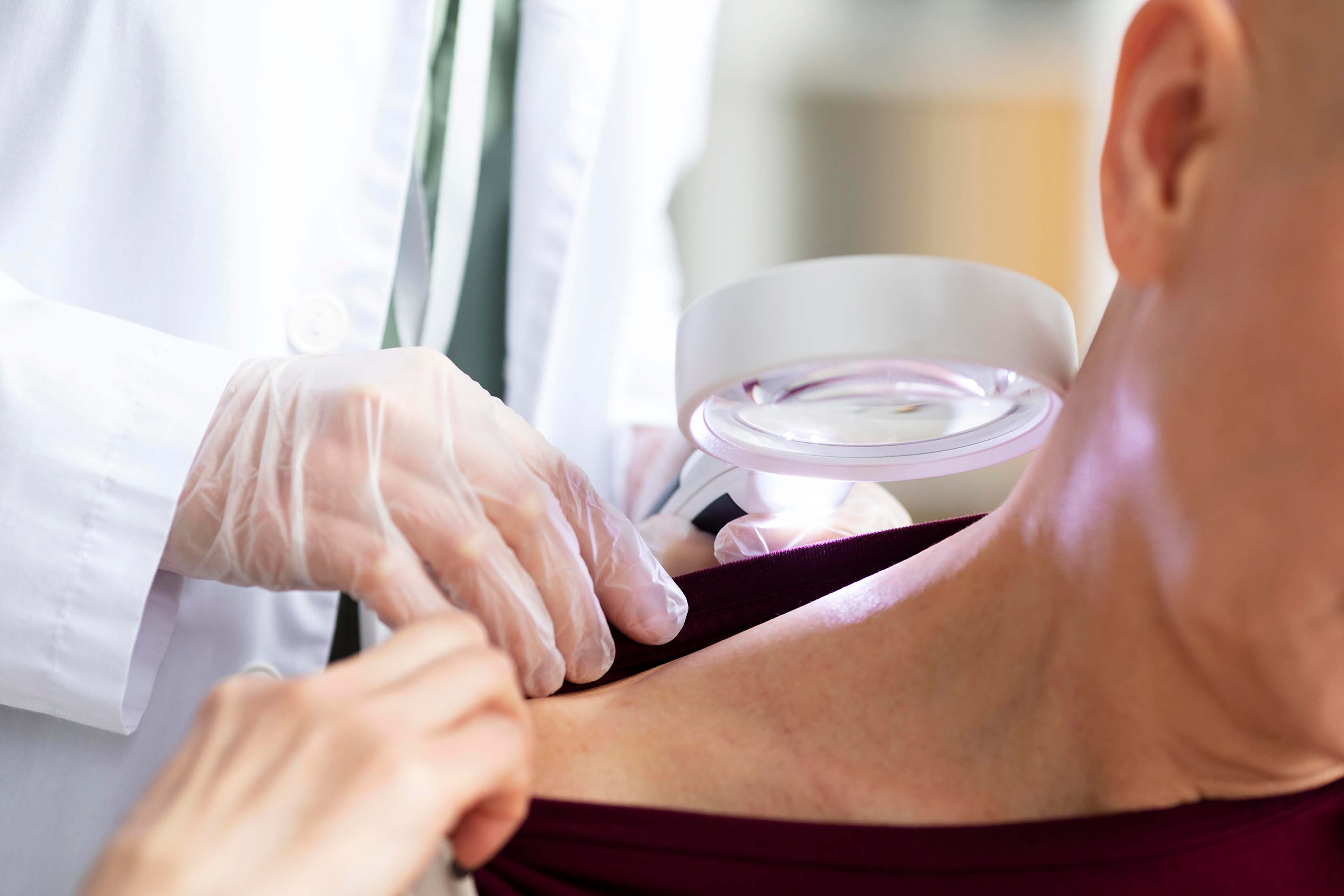
During diagnosis, dermatologists first conduct a visual examination. Methods such as Wood's lamp examination, dermoscopic examination, and direct microscopic examination allow detailed analysis of skin problems. Dermoscopy in particular allows detailed examination of moles (non-pigmented) and skin lesions at 10 to 140 times magnification. Thanks to digital dermoscopy, the chance of early diagnosis of skin cancer has reached 95%.
For definitive diagnoses, the process becomes somewhat more technical. Methods such as skin biopsy, patch testing, prick testing, and fungal culture come into play. Tzanck test, pathergy test, and intradermal testing are also among the diagnostic methods.
When it comes to treatment options, dermatologists have a wide variety:
- Topical medications (creams, ointments)
- Systemic treatments (oral medications)
- Cryotherapy (cold treatment)
- Electrosurgery
- Laser treatments
- Phototherapy (light therapy)
- Botulinum toxin applications
- Filler injections
- Mesotherapy
- Chemical peeling
- PRP treatment
Technological devices play an important role in modern dermatology practice. Skin analysis systems, radiofrequency devices, and laser systems are frequently used equipment. Technologies such as the Refit Radiofrequency Device use controlled heat energy to stimulate collagen production, providing natural skin tightening.
Finally, Mohs surgery is among the dermatological surgical methods. This technique is an effective method used in the removal of skin tumors and cancers. Therefore, the dermatologist brings advanced technology and scientific methods to a broad range—from diagnosis to treatment—for the benefit of their patients.