
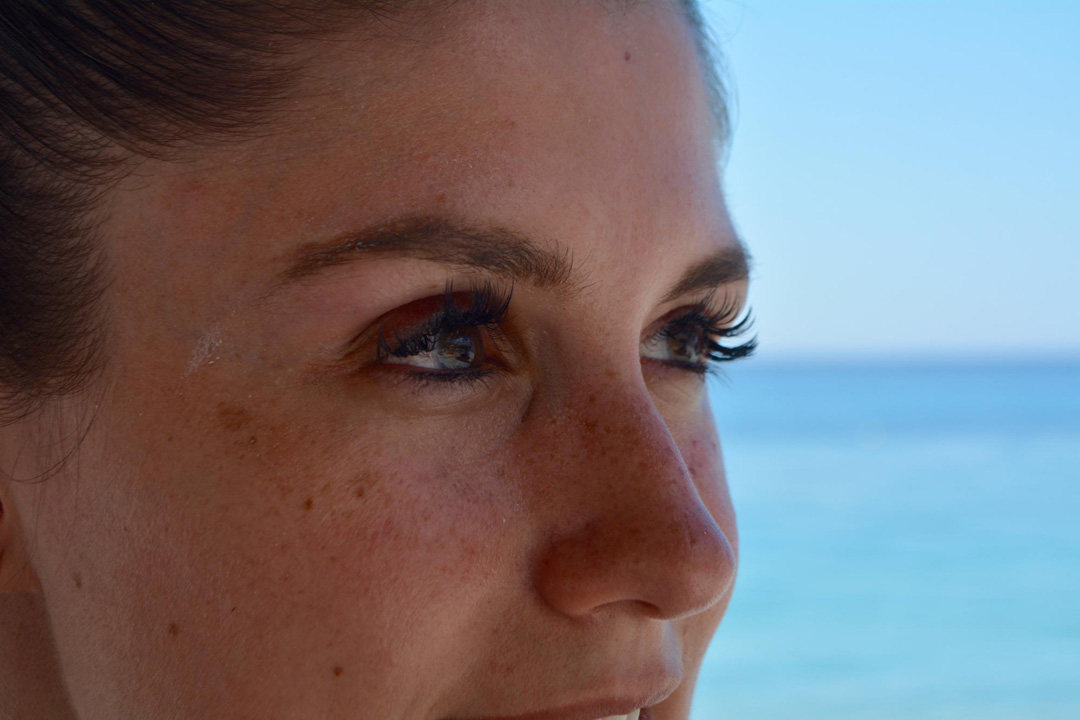
Solar Lentigo, commonly known as "sun spots" or "age spots," is a type of hyperpigmentation that develops from long-term sun exposure and aging. It is usually seen after age 45 in both men and women. Although harmless, it can create cosmetic concerns.
It occurs when ultraviolet (UV) rays increase melanin production in the skin. The spots typically appear on sun-exposed areas such as the face, back of the hands, shoulders and décolleté. They are more common in fair-skinned people. Today, laser-based pigmentation treatment is considered the most effective method for reducing or completely removing solar lentigo spots.
What Is Solar Lentigo?
Solar Lentigo describes brown, pigmented spots formed by melanin accumulation in the skin. These spots are larger and more permanent than freckles. They are typically 1-5 mm in diameter, flat, oval or irregular in shape, ranging in color from light to dark brown.
They most commonly appear on the face, back of the hands, shoulders, back and chest. As skin renewal capacity decreases with age, melanin accumulation increases and accelerates spot formation.
Solar lentigo is usually a harmless spot type with no cancer risk. However, because these spots are an indicator of chronic sun damage, they should be evaluated dermatologically. Sun spot treatment not only improves aesthetic appearance but also helps maintain skin health.
Why Does Solar Lentigo Occur?
The main cause of solar lentigo is long-term UV exposure. UV rays stimulate the skin's defense mechanism, causing melanocytes to produce excess melanin. This extra melanin concentrates in certain areas, forming brown spots.
It usually appears after age 40, but in those living in sunny climates or working outdoors it can appear earlier. Fair-skinned and red-haired individuals are at higher risk because they are more sensitive to the sun.
Genetic factors also play a role. If family members have similar spots, the person is more likely to develop them at an early age. Pregnancy, hormonal changes, birth control pills, stress and air pollution also increase melanin production and trigger this condition.
How Is Solar Lentigo Treated?
The aim of solar lentigo treatment is to reduce melanin density and even skin tone. Some of the most effective methods:
- Q-Switched Laser: Breaks down melanin pigment with short, high-energy pulses. Visible results in 1-3 sessions.
- Picosecond Laser: An advanced laser system working with even shorter pulses, fragmenting pigment without damaging the skin.
- IPL/BBL: Light-based energy systems significantly reduce sun spots in 1-2 sessions without skin damage.
- Fractional Ablative Lasers: Create controlled islands of damage in the skin to stimulate the body's own repair mechanism. They require several days of recovery.
- Cryotherapy: Freezes spots with liquid nitrogen. Effective but should be applied carefully due to scarring risk.
- Chemical Peeling: Solutions containing glycolic acid, salicylic acid or TCA exfoliate the upper skin layer for renewal. Very effective for mild, superficial spots.
- Topical Creams: Creams containing hydroquinone, retinoids, vitamin C, niacinamide and kojic acid suppress melanin production. Regular use reduces tone irregularities.
The best treatment for solar lentigo is prevention. SPF 50+ sunscreen year-round is essential for skin health. Wide-brimmed hats and protective clothing should also be worn against harmful sun rays. Skin changes should be checked regularly by a dermatologist so sun spots can be detected and treated early. With proper care and protection, healthy skin is possible.