
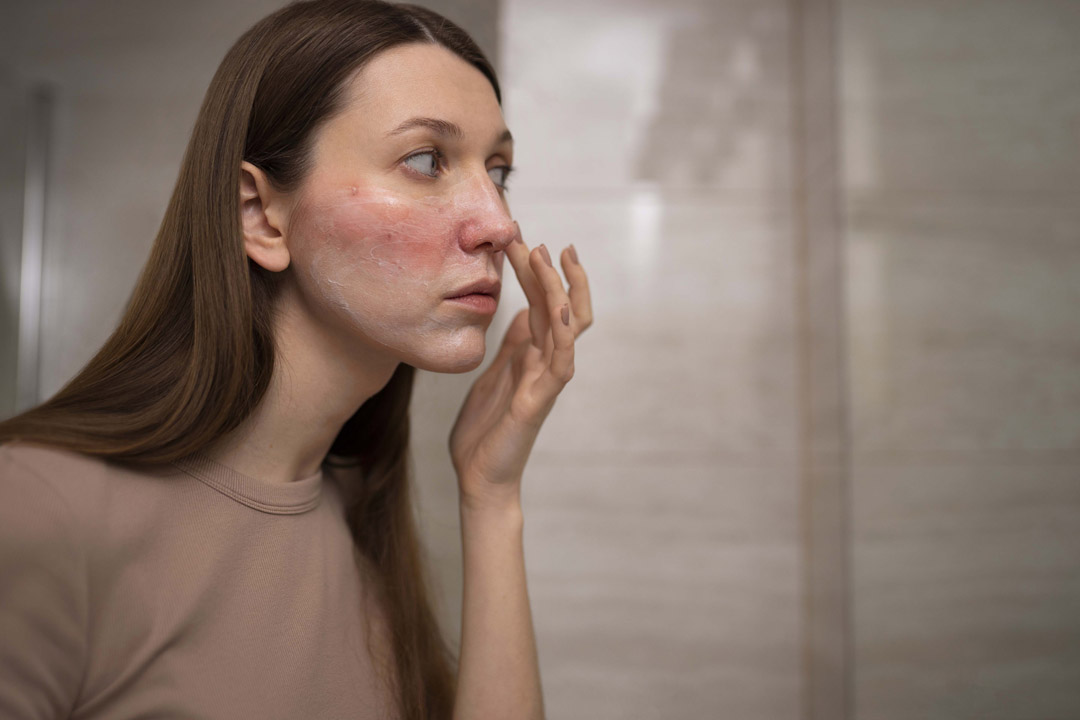
It can be difficult to tell the difference between rosacea and acne. Rosacea is a chronic skin condition that usually appears after age 30 and causes redness on the face, nose and cheeks.
Acne affects the younger population, with up to 85% of people aged 12-24 affected. Both conditions have genetic components and risk increases for both with family history.
Main Differences Between Rosacea and Acne
Age is an important distinguishing feature. Rosacea usually starts around age 30 and is persistent, while acne can affect people of all ages and is not permanent.
They also differ in triggers. Acne is typically triggered by hormonal changes such as puberty, pregnancy and menopause. Rosacea, on the other hand, flares with environmental factors. Skin sensitivity is also pronounced in rosacea, with heat, cold, sunlight and certain products affecting the skin.
Causes and Risk Factors
The exact cause of rosacea is not known, but clinical observation and research show several factors play a role. Genetic predisposition and family history are important. Patients have markedly higher numbers of Demodex skin mites. The Helicobacter pylori bacterium associated with stomach issues and abnormal immune responses can also be triggers.
Acne is usually caused by excess sebum production, hormonal factors and bacterial proliferation. When planning rosacea treatment, dermatologists consider triggers such as UV light, hot drinks, spicy foods, alcohol, sudden temperature changes and stress. Some cosmetics and medications can also flare the disease.
Treatment Approaches: Similarities and Differences
Treatment requires different approaches. Importantly, rosacea cannot be fully cured but its symptoms can be controlled. Acne, by contrast, can be eliminated with the right treatment.
Topical creams containing metronidazole, azelaic acid and ivermectin are used for rosacea, while benzoyl peroxide and retinoids are preferred for acne. In severe cases, oral antibiotics (doxycycline, tetracycline) and isotretinoin may be used for both, although the mechanisms of action differ entirely. Laser and light therapies are effective for reducing redness and capillary visibility in rosacea, but are less preferred for acne.
In short, understanding the differences is essential to access the right treatment. The two conditions can look similar in terms of facial redness and bumps, but they affect different age groups and have different triggers.