
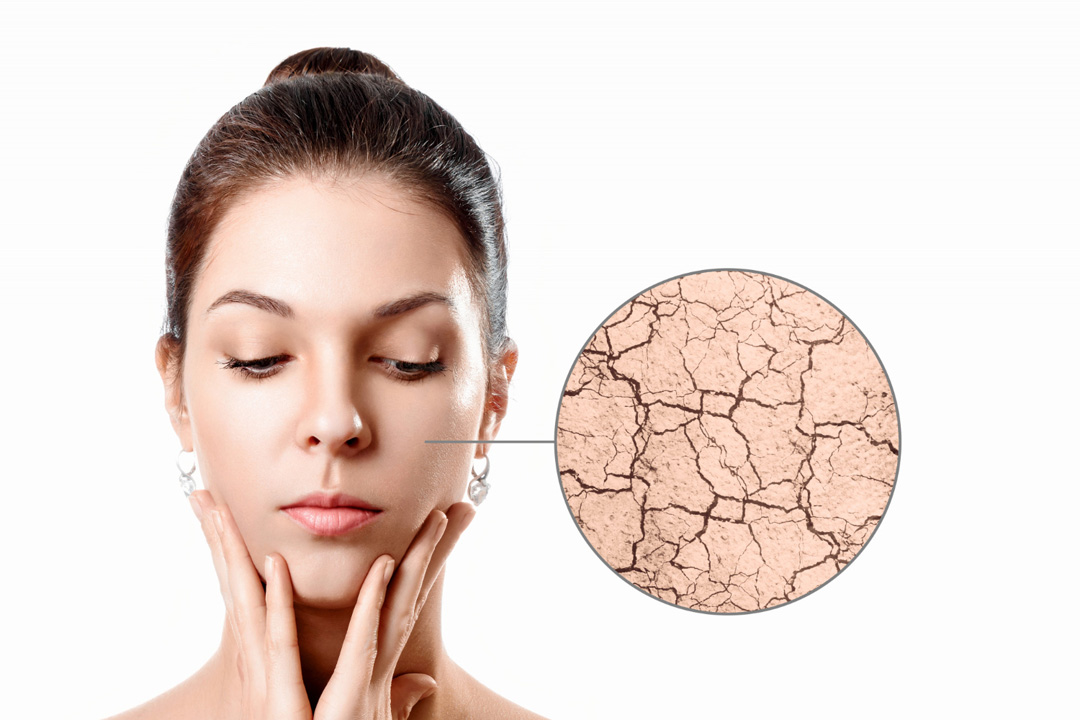
Skin dryness occurs when the skin does not have sufficient moisture. Symptoms such as tightness, scaling, itching, and redness can be seen. It is the result of a decrease in the skin's natural moisture and barrier function. This condition is also known as xerosis or xeroderma. It is generally seen more frequently in cold seasons such as autumn and winter.
As we age, the moisture-producing oil glands of the skin shrink. It is very important to learn how to deal with this situation.
What Is Skin Dryness and Who Does It Affect?
Medically known as xerosis or xeroderma, skin dryness occurs as a result of the decrease in substances that provide the natural moisture and barrier function of the skin. It causes the skin to appear hard, scaly, rough, and pale. Affecting approximately 50% of the world's population, skin dryness is one of the most common dermatological problems.
Many answers can be given to the question of which disease skin dryness is a harbinger of. Especially deficiency of D, A, E, C vitamins, iron, zinc, niacin, and omega-3 are among the important causes. Although it affects men and women equally, it is seen in more than 50% of individuals over 40. It also occurs more frequently in hands, feet, arms, and legs where there are fewer oil glands in the skin.
What Are the Symptoms of Skin Dryness?
It is important to recognize the symptoms in the early stages of dryness. People with skin dryness usually feel a sensation of tightness in the skin. This feeling becomes more pronounced especially after a shower. The skin also gains a matte and pale appearance.
Before looking for an answer to the question of what is good for skin dryness, we must understand the symptoms well:
- Rough, scaly appearance on the skin
- Itching
- Fine lines or cracks
- Redness and rashes
- Deep cracks that may bleed
- Decreased skin elasticity
- Pink-red lesions
- Peeling and scaling of the skin
The question of which vitamin deficiency causes skin dryness is frequently asked. When the symptoms intensify, the cracks in the skin take on an appearance similar to dried earth.
What Are the Causes of Skin Dryness?
Skin dryness can be caused by different factors. Environmental factors, medical conditions, and lifestyle habits can play a role together. Weather conditions emerge as an important factor. In winter months, the humidity in the air decreases and dryness becomes more common. Radiators, wood stoves, and fireplaces dry the skin by reducing the moisture in the environment. Long hot showers and baths remove the natural oils of the skin.
Additionally, diseases such as atopic dermatitis, psoriasis, and contact dermatitis cause dryness. Hormonal changes (menopause, thyroid problems), aging, smoking, alcohol consumption, and dehydration also weaken the skin barrier. Improper care products (harsh soaps, alcohol-containing cosmetics) also cause skin dryness.
Prevention Methods
- Use a gentle, soap-free cleanser
- Apply moisturizer immediately after bathing (within 5 minutes)
- Take short, lukewarm showers
- Use a humidifier
- Drink plenty of water
- Consume foods rich in omega-3
- Use products containing ceramides, hyaluronic acid, and glycerin
- Use sunscreen
If your skin dryness is severe, consult a dermatologist. With proper diagnosis and treatment, it is possible to regain healthy and moist skin.