
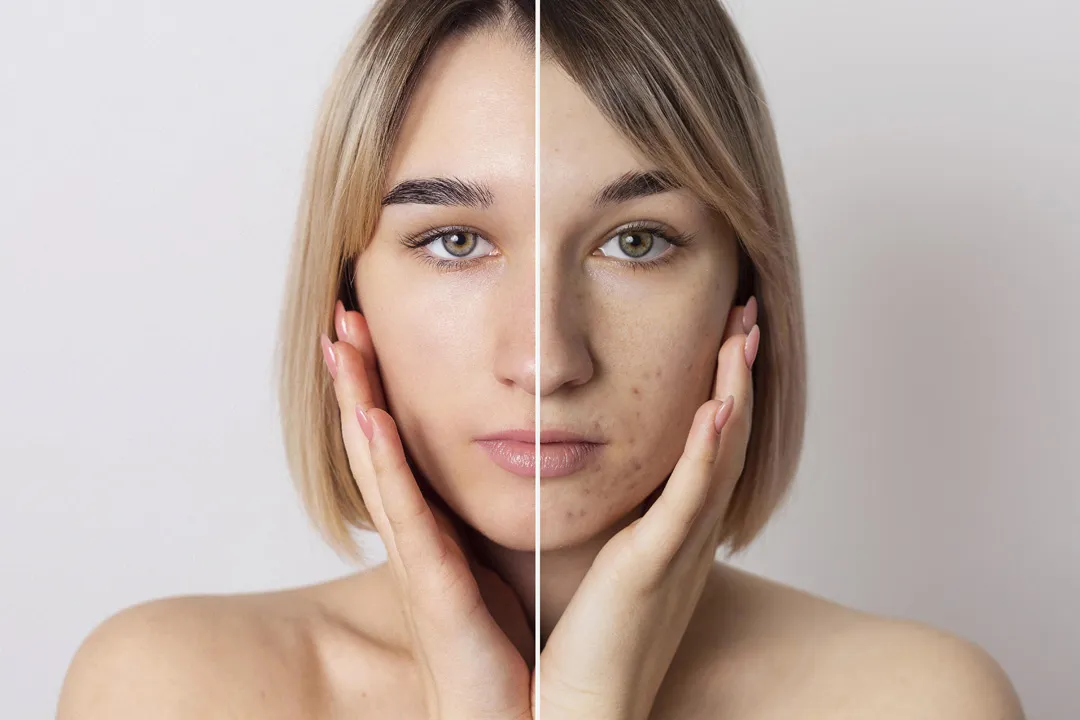
Glycation is one of the important biological processes that can accelerate skin aging. During this process, glucose molecules react with collagen, elastin, and other proteins, causing structural changes in the skin. As a result, the skin may lose elasticity, wrinkles may become more pronounced, and the skin may develop a duller appearance.
According to Assoc. Prof. Dr. Nur Cihan Coşansu, preventing glycation damage plays an important role in maintaining healthy, vibrant, and youthful-looking skin. A balanced diet, antioxidant-rich skincare products, and lifestyle modifications can provide support in this process.
What Is Glycation?
Glycation is a chemical reaction that occurs when sugar molecules bind to proteins and lipids in the skin.
The effects associated with this process include:
- Advanced glycation end products (AGEs)
- Free radical damage
- Stiffening of collagen fibers
These effects may contribute to accelerated skin aging.
In particular, structural deterioration of collagen and elastin fibers can cause the skin to appear looser and more wrinkled.
What Are the Effects of Glycation on the Skin?
Glycation is a biological process that occurs when sugar molecules in the body bind to proteins such as collagen and elastin. This can lead to the formation of harmful structures known as advanced glycation end products (AGEs). Over time, stiffening of the skin, loss of elasticity, and signs of aging may become more noticeable.
Considered one of the less visible contributors to skin aging, glycation may be accelerated by an unhealthy diet and certain lifestyle habits. This process can affect not only wrinkle formation but also the skin's overall vitality and ability to renew itself.
The main effects glycation may have on the skin include:
Collagen Loss
Collagen fibers become stiffer, which can cause the skin to lose its elasticity.
More Pronounced Wrinkles
Reduced elasticity in the skin can increase the appearance of fine lines.
Uneven Skin Tone
Glycation may contribute to a duller and less even-looking complexion.
Slower Skin Renewal
The skin's repair and renewal processes may be negatively affected.
Dull-Looking Skin
Free radical damage can contribute to a loss of the skin's natural radiance.
What Causes Glycation Damage in the Skin?
The glycation process is influenced by various environmental and lifestyle factors. In particular, modern lifestyle habits may contribute to accelerating this biological process. Therefore, understanding the causes of glycation is important for maintaining skin health.
The main factors that may contribute to glycation damage include:
High Sugar Consumption
Refined sugar and high-glycemic-index foods can accelerate the glycation process.
Unbalanced Diet
Processed foods and insufficient antioxidant intake may negatively affect skin health.
Smoking
Smoking can promote the glycation process by increasing oxidative stress.
Sun Exposure
UV radiation increases the formation of free radicals.
Stress and Irregular Sleep
Chronic stress may negatively affect skin renewal. Therefore, maintaining a regular sleep schedule is also important.
How Can Glycation Damage in the Skin Be Prevented?
1. Reducing Sugar Consumption
One of the main triggers of glycation is elevated blood sugar levels.
Therefore:
- Sugary beverages should be reduced.
- Refined carbohydrate consumption should be limited.
- A balanced diet should be prioritized.
2. An Antioxidant-Rich Diet
Antioxidants may help reduce the formation of free radicals.
Foods That May Be Included
- Leafy green vegetables
- Berries
- Citrus fruits
- Olive oil
- Avocado
These foods can support the skin barrier.
3. Using Vitamin C
Vitamin C is an important ingredient that can provide antioxidant protection for the skin.
- It supports collagen production.
- It may help even out skin tone.
- It helps reduce free radical damage.
According to Assoc. Prof. Dr. Nur Cihan Coşansu, regular use of vitamin C is one of the important practices that can support the overall appearance of the skin.
4. Using Sunscreen
UV radiation can accelerate the glycation process.
Therefore:
- Sunscreens with SPF 30 or higher should be used.
- Sunscreen should be reapplied regularly.
- Prolonged sun exposure should be avoided.
5. Regular Exercise
Physical activity:
- Supports blood circulation.
- Contributes to insulin balance.
- Helps reduce oxidative stress.
Regular exercise can have a positive effect on overall skin health.
6. Quitting Smoking
Smoking:
- Increases free radical formation.
- Damages collagen structure.
- Accelerates skin aging.
Therefore, quitting smoking is important for maintaining skin health.
What Should an Anti-Glycation Skincare Routine Look Like?
Antioxidant Serums
Products containing vitamin C, vitamin E, and coenzyme Q10 may be preferred.
Moisture Support
Regular moisturizing is important for maintaining and protecting the skin barrier.
Gentle Cleansers
Products that do not damage the skin barrier should be used.
Retinoid Ingredients
When used under the guidance of a dermatologist, retinoids can support cell renewal.
When Should You See a Dermatologist for Glycation Damage?
A dermatological evaluation is recommended in the following situations:
- Noticeable wrinkles developing at an early age
- Significant loss of skin elasticity
- Pronounced pigmentation or uneven skin tone
- No improvement despite using skincare products
A personalized skincare plan should be developed by a dermatologist.
Glycation damage in the skin is an important process that may contribute to accelerated signs of aging. The effects of this process may be reduced through a healthy diet, regular sun protection, antioxidant use, and lifestyle modifications. According to Assoc. Prof. Dr. Nur Cihan Coşansu, consistent skincare and preventive measures are highly important in an anti-glycation approach. For healthy and vibrant-looking skin, personalized planning under the supervision of a dermatologist is recommended.