
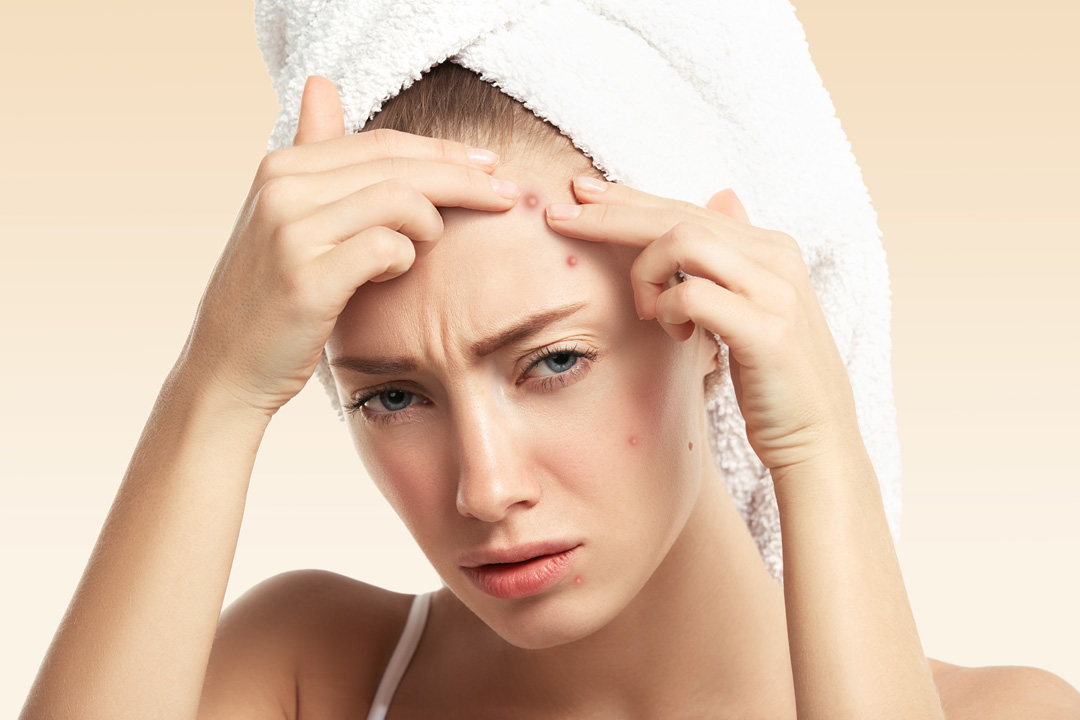
Stress is an important factor that directly affects skin health and plays a triggering role in acne formation. Under stress, hormonal balance is disrupted, inflammation increases and the skin barrier weakens. This worsens acne, which is especially common in younger age groups. According to Assoc. Prof. Dr. Nur Cihan Coşansu, treatment for stress-induced acne is not just about topical methods but also lifestyle changes and psychological support. In this article we examine comprehensive treatment methods for stress-induced acne in light of scientific evidence.
The Effect of Stress on Acne
The most important mechanism linking stress to acne is the increase in cortisol hormone released by the adrenal glands. Cortisol and other stress hormones increase the activity of sebaceous glands, creating an oilier environment on the skin. This environment makes it easier for the Propionibacterium acnes bacterium to proliferate and increases follicular blockage. The result is faster inflammation and breakout formation.
Stress also suppresses the immune system and weakens the skin's self-repair mechanisms. Healing of stress-related acne therefore takes longer and the risk of scarring increases markedly.
Key Approaches in Comprehensive Stress-Induced Acne Treatment
Professional Dermatological Evaluation
The first step in stress-induced acne treatment is determining the type and severity of acne through a dermatological examination. Topical treatments may be enough for mild to moderate acne, while severe cases may require systemic treatment.
Topical Treatment Options
- Retinoids: Accelerate cell turnover and prevent follicular blockage.
- Topical Antibiotics: Effective against Propionibacterium acnes.
- Benzoyl Peroxide: Antibacterial and anti-inflammatory.
- Azelaic Acid: Reduces inflammation and post-inflammatory pigmentation.
Systemic Treatments
For moderate to severe stress-induced acne, under dermatologist supervision:
- Oral antibiotics
- Hormonal treatments
- Isotretinoin
are systemic treatment options to consider.
The Role of Dermocosmetic Products
In stress-induced acne, dermocosmetic products that strengthen the skin barrier, balance sebum and contain antioxidants support treatment. Regular sunscreen use reduces the risk of pigmentation and supports skin healing.
Lifestyle Adjustments and Psychological Support
Stress management is critical for treatment success. This includes:
- Regular exercise
- Adequate and quality sleep
- Balanced eating habits
- Meditation and breathing exercises
- Psychological support when needed
These significantly help control acne.
A comprehensive, holistic approach to stress-induced acne treatment both increases dermatological treatment effectiveness and improves patient quality of life. According to Assoc. Prof. Dr. Nur Cihan Coşansu, fighting acne requires regulating not only the skin but also stress level and lifestyle. When topical and systemic treatments, dermocosmetic support and stress management are planned together, more lasting and successful results are achieved.