
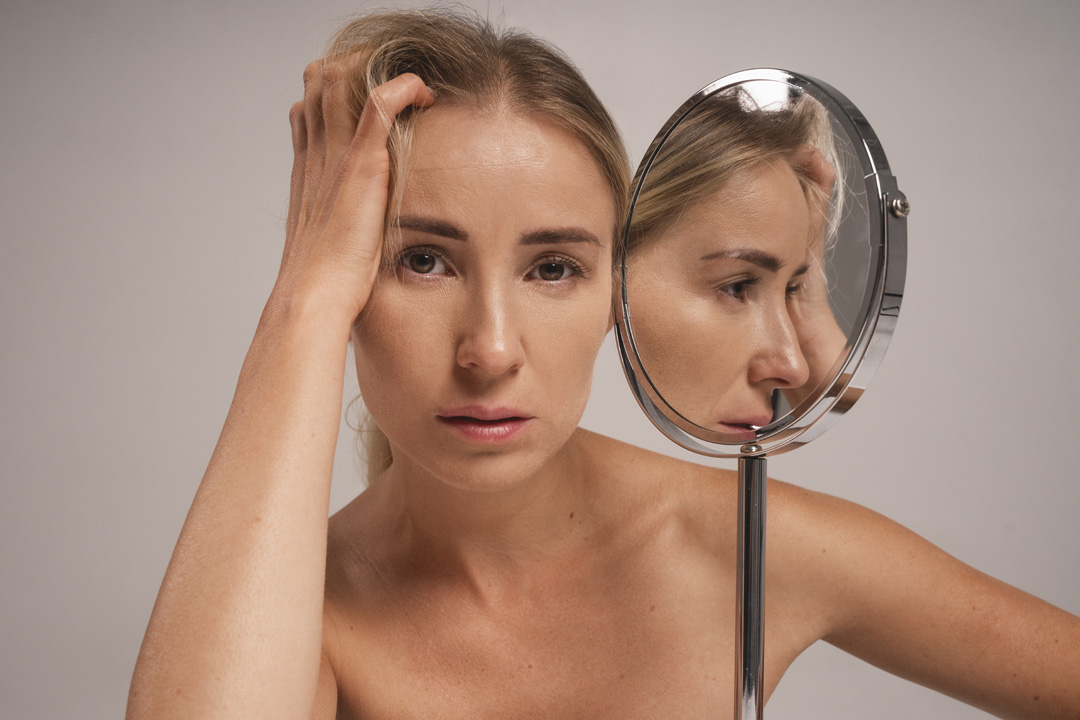
Skin elasticity loss is one of the most visible signs of aging and increases the aesthetic concerns of many people. The decrease of collagen and elastin fibers in the skin over time, external factors, and lifestyle factors can accelerate this process. Decreased elasticity leads to skin sagging, fine lines, and wrinkles. Dermatological approaches offer various treatment methods to reduce the effects of this process and support skin elasticity. According to Assoc. Prof. Dr. Nur Cihan Coşansu, choosing the right methods is of great importance for the protection and renewal of skin health.
Causes of Skin Elasticity Decrease
- Aging: Collagen production decreases in the natural aging process.
- UV Rays: Sun rays damage collagen and elastin structure.
- Smoking and Alcohol Use: Increase free radicals.
- Nutritional Deficiencies: The nutrients necessary for the skin decrease.
- Stress and Sleep Patterns: Negatively affect cell renewal.
Dermatological Treatment Methods
1. Topical Retinoids
Retinoids encourage skin renewal and increase collagen production. With regular use, elasticity loss can be reduced.
2. Laser Applications
Fractional lasers activate the natural repair mechanism by creating micro damage in the skin. Thus, collagen synthesis increases and the skin tightens.
3. Mesotherapy and PRP
Mesotherapy provides moisture and elasticity by injecting vitamins and hyaluronic acid under the skin. Additionally, PRP (Platelet Rich Plasma) supports rejuvenation by applying platelets obtained from the person's own blood.
4. Radiofrequency (RF) Treatments
Radiofrequency technology stimulates collagen and elastin production by creating controlled heat in the skin. It is usually a painless and comfortable method.
5. Biostimulating Applications
Biostimulating applications have different active ingredients such as calcium hydroxyapatite, poly-L-lactic acid, and polycaprolactone. These are applications that increase the elasticity of the skin without giving a volume effect, enable the skin to produce its own collagen, and whose results are effective for 12-24 months.
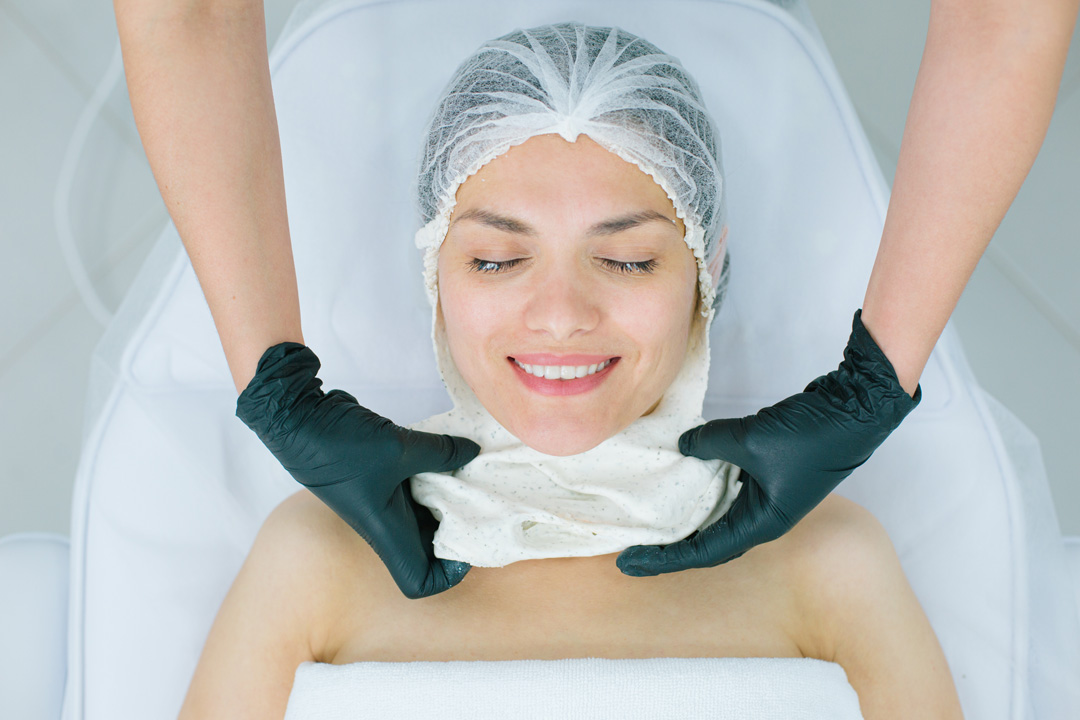
Lifestyle Recommendations
- Use sunscreen every day
- Drink plenty of water
- Eat a balanced diet
- Get adequate sleep
- Manage stress
- Avoid smoking and alcohol
- Exercise regularly
With these dermatological approaches, it is possible to delay skin elasticity loss and restore the firmness of your skin. According to Assoc. Prof. Dr. Nur Cihan Coşansu, a personalized treatment plan provides the best results.