
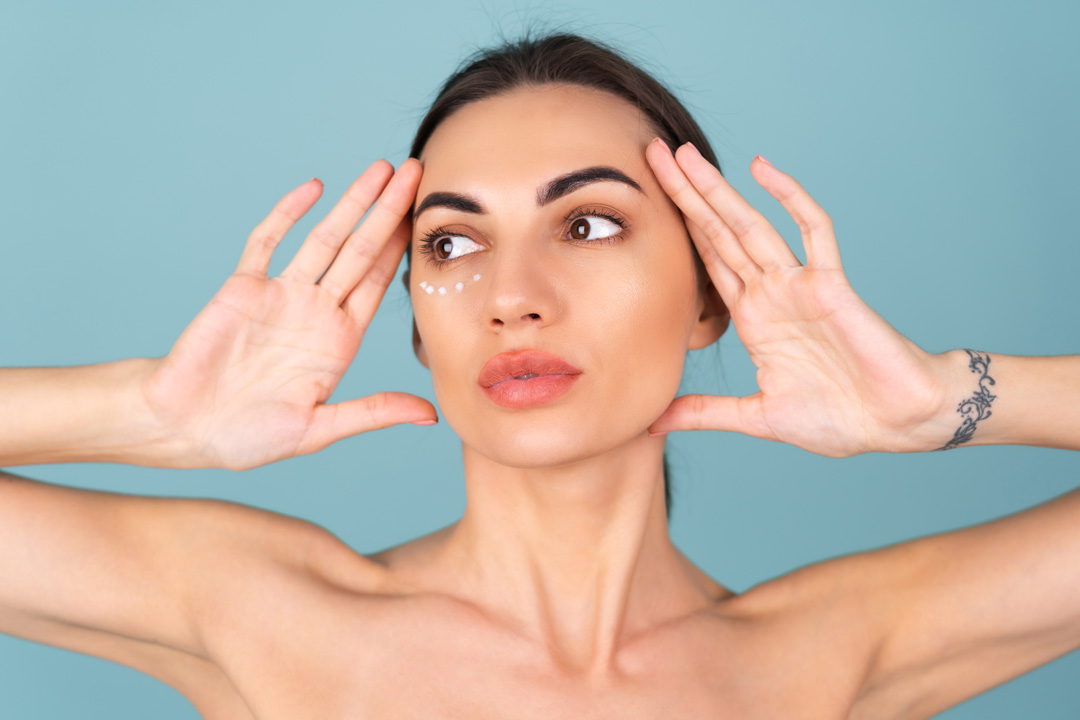
The eye area is one of the most sensitive and most exposed parts of our face. Aging signs begin to appear in this area early and can affect overall facial appearance. Many effective methods are available for eye area rejuvenation in modern dermatology. In this article, we will examine in detail the eye area rejuvenation treatment methods.
Aging Process of the Eye Area
The skin in the eye area is the thinnest and most sensitive area of the face. The aging process generally begins after the age of 25:
- Fine lines
- Crow's feet
- Bags under the eyes
- Dark circles
- Sagging
- Volume loss
- Pigmentation
Causes of Aging
- Genetic Factors: Family predisposition
- Sun Damage: UV rays
- Aging: Natural process
- Stress: Cortisol effect
- Lack of Sleep: Skin renewal
- Smoking: Collagen loss
- Diet: Vitamin deficiencies
- Makeup: Aggressive removal
Treatment Methods
1. Topical Treatments
Eye Creams
- Retinol: Cell renewal
- Peptides: Stimulates collagen
- Caffeine: Reduces swelling
- Vitamin C: Antioxidant
- Hyaluronic Acid: Moisturizing
- Vitamin K: Reduces dark circles
Serums
- Special for the eye area
- Active ingredients
- Light texture
- Quick absorption
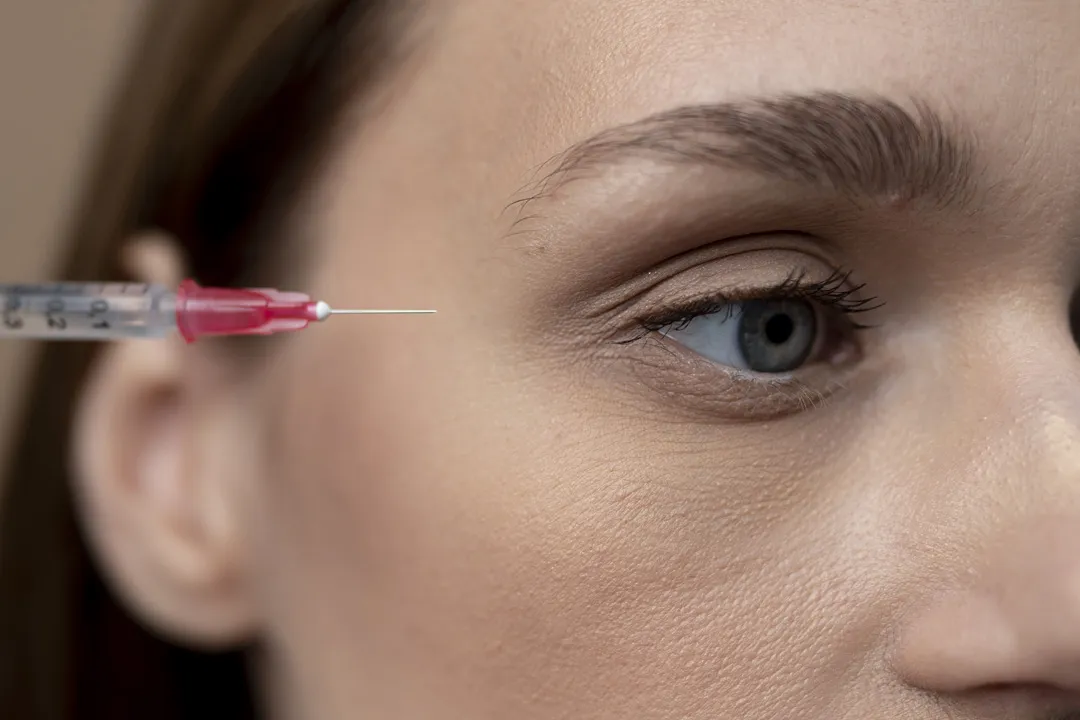
2. Botox Application
Botox reduces wrinkles by relaxing facial muscles in the eye area:
- Crow's feet
- Forehead lines
- Between the eyebrows
- Eye corners
Effects last 4-6 months. The procedure takes 10-15 minutes.
3. Filler Applications
Under-Eye Filler
Under-eye filler fills hollows and reduces dark circles. Hyaluronic acid based.
Tear Trough Filler
Filler applied to the tear trough. Eliminates volume loss.
Eyelid Filler
Filler applied to the upper eyelid. Eliminates volume loss.
4. Laser Treatments
Fractional Laser
Provides skin renewal. Effective for wrinkles and pigmentation.
CO2 Laser
Deep skin renewal. Effective for serious aging signs.
Q-Switched Laser
Effective on pigmentation. Reduces dark circles.
IPL (Intense Pulsed Light)
Effective on pigmentation and capillaries.
5. Radiofrequency
Fractional radiofrequency provides skin tightening and rejuvenation. Stimulates collagen.
6. Ultrasound (HIFU)
HIFU provides skin tightening and lifting effect. Non-surgical solution.
7. Microneedling
Stimulates collagen production. Effective on fine lines and texture.
8. PRP Treatment
Natural rejuvenation with the patient's own blood. Effective in the eye area.
9. Mesotherapy
Special formulations are applied to the eye area. Vitamins and antioxidants.
10. Chemical Peeling
Light peels are preferred. Skin renewal in the eye area.
11. Plexr (Plasma Energy)
Eyelid lifting without surgery. Sagging skin tightens.
12. Surgical Treatments
Blepharoplasty
For severe sagging, surgical solution. Bags and excess skin are removed.
Brow Lift
Brow lift is performed. Eye opening increases.
Treatments by Age
20-30 Age Group
- Preventive eye creams
- Sunscreen
- Light treatments
- Healthy lifestyle
30-40 Age Group
- Retinol
- Botox
- Light filler
- Microneedling
40-50 Age Group
- Filler
- Laser treatments
- Radiofrequency
- HIFU
50+ Age Group
- Surgical options
- Combined treatments
- Intensive care
- Maintenance treatments
Daily Care
Morning Routine
- Gentle cleansing
- Toner
- Eye serum
- Eye cream
- Moisturizer
- Sunscreen
Evening Routine
- Makeup removal
- Cleansing
- Eye serum
- Night cream
- Eye mask (occasionally)
Things to Avoid
- Aggressive makeup removal
- Rubbing the eyes
- Sleep without makeup removal
- Excessive sun exposure
- Smoking
- Alcohol
- Stress
- Lack of sleep
Lifestyle Recommendations
- Get plenty of sleep
- Drink plenty of water
- Maintain a healthy diet
- Get regular exercise
- Maintain stress management
- Maintain sun protection
- Get regular check-ups
Eye area rejuvenation can be effectively achieved with modern dermatological treatments. With the personalized treatment plan, you can have a younger and more vibrant look. With the recommendations of an expert dermatologist, you can determine the most suitable treatment for you.