
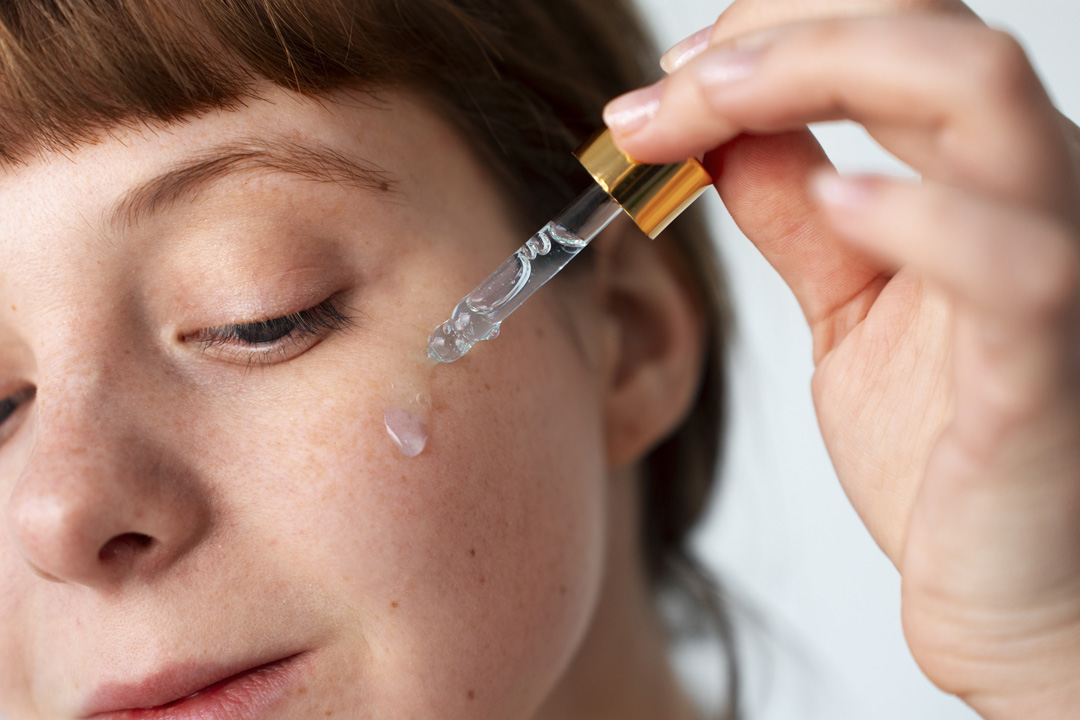
Hyaluronic acid is a substance naturally found in our body that holds an important place in modern skin care. This molecule with extraordinary moisturizing power has the ability to hold 1000 times its weight in water and plays a critical role in skin health. In this article, we will examine in detail how hyaluronic acid works in the skin.
What Is Hyaluronic Acid?
Hyaluronic acid (HA) is a polysaccharide naturally found in connective tissues, skin, and synovial fluid. It is also known by names such as hyaluronan or sodium hyaluronate. It is one of the building blocks of connective tissue.
The Natural Role of Hyaluronic Acid in the Skin
Hyaluronic acid has many vital functions in the skin:
- Moisture Retention: Maintains skin hydration
- Volume: Adds volume to the skin
- Elasticity: Maintains skin elasticity
- Healing: Accelerates the healing process
- Protection: Strengthens the skin barrier
- Renewal: Supports cell renewal
How Does It Work?
1. Moisture Retention
Hyaluronic acid holds 1000 times its weight in water. It maintains moisture by:
- Holding water in the upper layer of the skin
- Filling spaces between cells
- Maintaining moisture balance
- Preventing dryness
2. Volume Effect
The water-retaining ability of hyaluronic acid:
- Adds volume to the skin
- Reduces wrinkles
- Smooths fine lines
- Provides a youthful appearance
3. Cell Renewal
Hyaluronic acid:
- Stimulates fibroblast cells
- Increases collagen production
- Triggers elastin production
- Accelerates skin renewal
4. Antioxidant Effect
It fights free radicals:
- Reduces oxidative damage
- Slows the aging process
- Reduces inflammation
- Protects the skin
5. Healing Effect
It accelerates wound healing:
- Triggers cell migration
- Reduces inflammation
- Reduces scar formation
- Increases tissue renewal
Hyaluronic Acid Levels with Age
The hyaluronic acid content of the skin decreases with age:
- 20s: Maximum level
- 30s: Decrease begins
- 40s: Significant decrease
- 50s: Substantial decrease
- 60+: Critical level
Methods of Using Hyaluronic Acid
1. Topical Products
Serums
- Active ingredient: 1-2%
- Different molecular weights
- Deep penetration
- Maximum effect
Moisturizers
- Daily use
- Maintains moisture balance
- For all skin types
Masks
- Weekly use
- Intensive moisture
- Refreshing
2. Injections
Dermal Fillers
Hyaluronic acid fillers provide volume:
- Filling wrinkles
- Adding volume
- Facial contouring
- 9-18 months effect
Mesotherapy
- Provides skin moisture
- Skin renewal
- Anti-aging
- 4-6 sessions
Hyaluronic Acid Types
1. Low Molecular Weight
- Deep penetration
- Cell renewal
- Strong effect
- Quick result
2. Medium Molecular Weight
- Balanced effect
- Both surface and deep
- Suitable for all skin types
3. High Molecular Weight
- Surface effect
- Protective barrier
- Long-lasting moisture
- Smooth skin
4. Combined Formulas
- Multiple molecular weights
- Comprehensive effect
- Maximum benefit
- Modern formulas
For Whom Is It Suitable?
- Dry skin
- Mature skin
- Sensitive skin
- Acne-prone skin
- Sun-damaged skin
- All skin types (topical)
- Those over 25 years old (injections)
Benefits
- Intensive moisture
- Stimulates collagen
- Reduces wrinkles
- Maintains elasticity
- Provides bright skin
- Anti-aging
- Healing effect
- Natural ingredient
- Safe
Side Effects
Hyaluronic acid is generally very safe:
- Allergic reactions (rare)
- Mild irritation
- Increased sensitivity
- Mild swelling (injection)
- Bruising (injection)
How to Choose?
Topical Products
- Check ingredient list
- Active ingredient concentration
- Different molecular weights
- Suitable for skin type
- Brand reliability
Injection
- Expert physician
- Quality product
- Hygienic environment
- Personalized plan
- Realistic expectations
Usage Tips
- Apply to slightly moist skin
- Other moisturizer can be applied on top
- Use twice a day
- Add sunscreen
- Be patient (4-8 weeks)
Combinations
Compatible
- Vitamin C
- Niacinamide
- Peptides
- Retinol
- Sunscreen
Be Careful
- Strong acids
- Concentrated retinoids
- Aggressive peelings
Hyaluronic acid is one of the indispensable building blocks of modern skin care. With its powerful moisturizing properties, anti-aging effects, and safe use, it offers an excellent option for all skin types. Personalized care plans developed with an expert dermatologist will help you have healthier and more beautiful skin.