
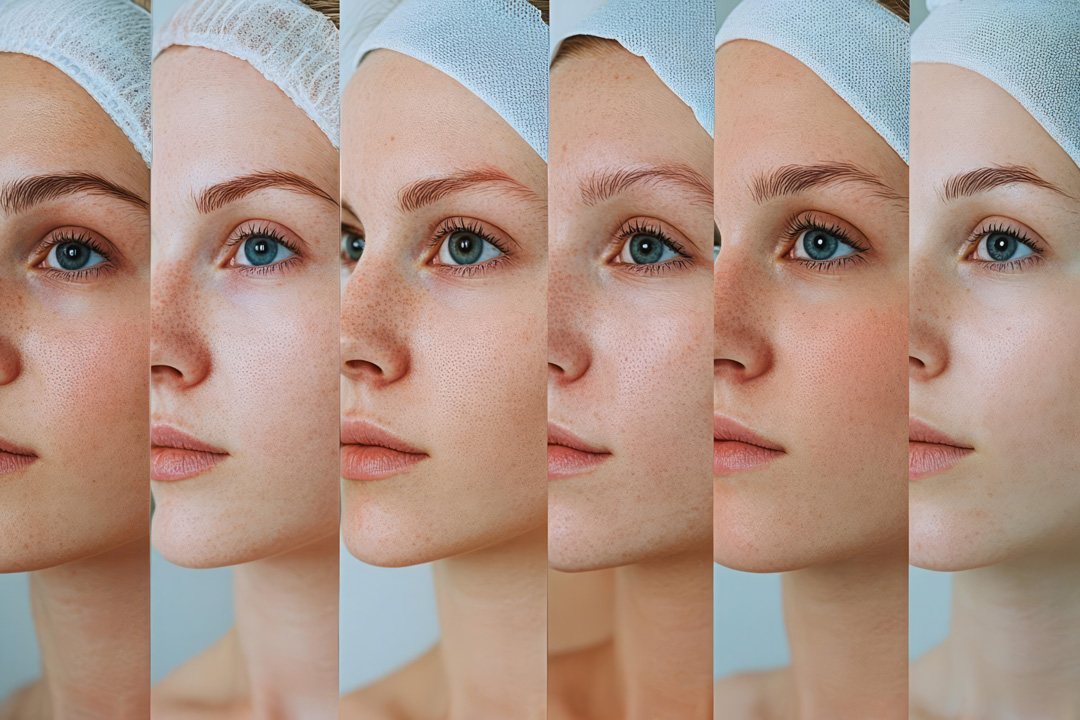
Laser applications are among the increasingly preferred treatment methods in dermatology. However, not every skin type gets the same result from the same laser. According to Assoc. Prof. Dr. Nur Cihan Coşansu, laser selection should be made according to skin type; otherwise, unwanted side effects may occur or treatment effectiveness may decrease. In this article, we will discuss in detail the most suitable laser types for each Fitzpatrick skin type, their areas of use, and points to consider.
Skin Types and the Fitzpatrick Classification
Skin type is classified according to the amount of melanin and the skin's reaction to the sun. The Fitzpatrick scale is one of the most used references in the dermatology world and groups skin as follows:
- Fitzpatrick Type I: Very fair skin, burns easily, does not tan.
- Fitzpatrick Type II: Fair skin, rarely tans.
- Fitzpatrick Type III: Medium skin, balanced tanning and burning.
- Fitzpatrick Type IV: Dark skin, rarely burns, tans easily.
- Fitzpatrick Type V: Very dark skin.
- Fitzpatrick Type VI: Black skin.
This classification guides the prevention of pigmentation changes that may occur in the skin during laser selection.
Laser Selection According to Skin Type
1. Fair Skin (Type I-II)
- Suitable Laser Types: Alexandrite (755 nm), Nd:YAG (1064 nm), Pulsed Dye Laser (PDL)
- Areas of Use: Hair removal, signs of aging, vascular treatments.
- Things to Consider: Laser burns are rarely seen in fair-skinned individuals. However, hypopigmentation can develop as a result of high energy and incorrect application.
2. Medium Skin (Type III-IV)
- Suitable Laser Types: Nd:YAG, Diode laser (800-810 nm)
- Areas of Use: Hair reduction, pigmented lesions, acne treatment.
- Things to Consider: Since the amount of melanin is higher, Nd:YAG laser is safer. Alexandrite laser should be used carefully.
3. Dark Skin (Type V-VI)
- Suitable Laser Types: Nd:YAG (1064 nm)
- Areas of Use: Issues such as hair growth and melasma.
- Things to Consider: Lasers with shorter wavelengths increase the risk of pigmentation. For this reason, Nd:YAG laser should be preferred.
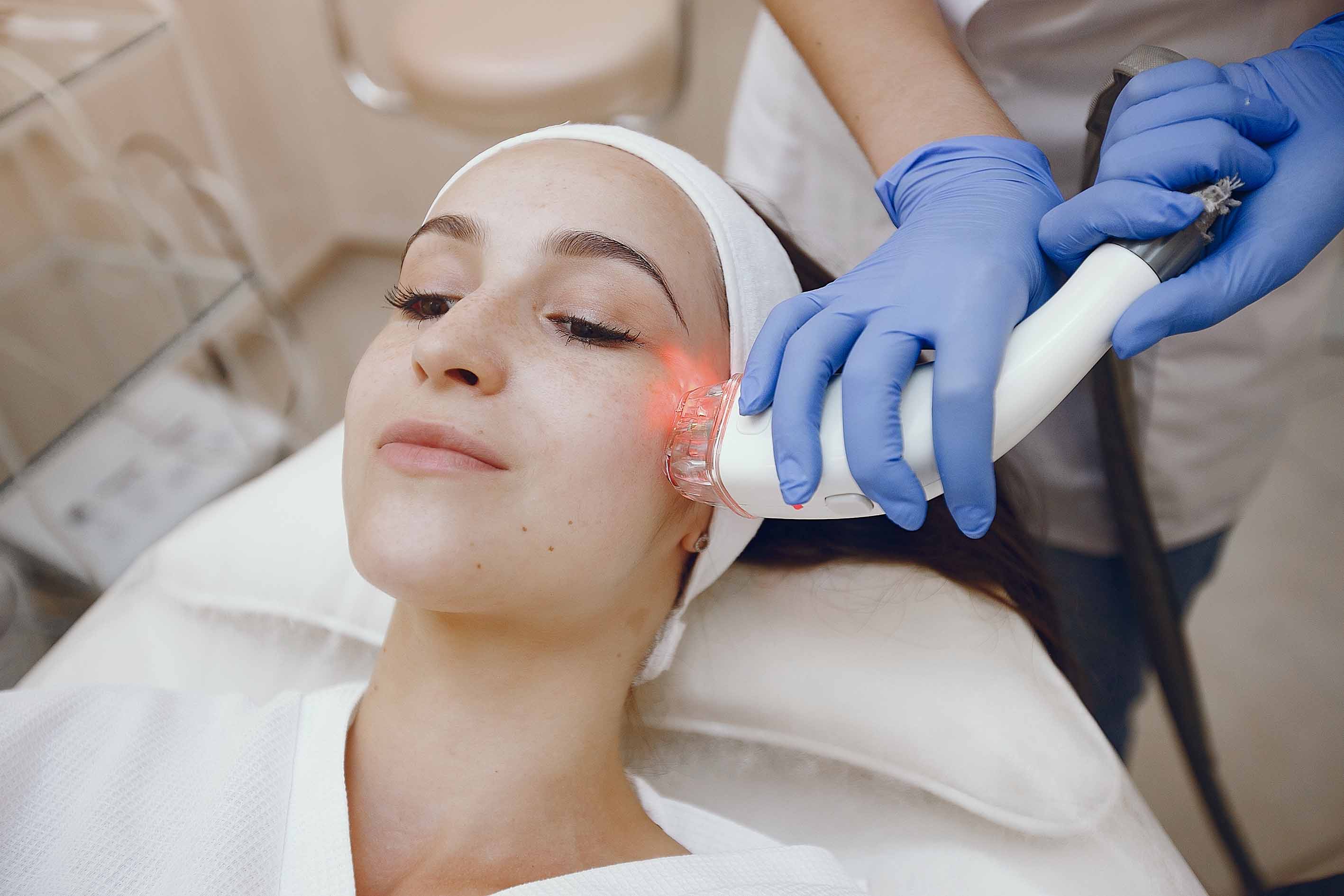
Laser Selection and Other Factors to Consider
- Moisture Status of the Skin: The healing process is prolonged in dry and sensitive skin.
- Existing Skin Problems: Laser is not recommended in the presence of active dermatitis, infection, or intense acne.
- Sun Exposure: Intense sunbathing within the last 4 weeks increases the risk of irritation on the skin.
- Medication Use: Some medications can increase skin sensitivity and raise the risk of side effects after laser.
When laser selection is properly planned according to skin type, both treatment effectiveness increases and the risk of side effects decreases. As Assoc. Prof. Dr. Nur Cihan Coşansu states, suitable laser types such as Nd:YAG, Alexandrite, or Diode should be selected by evaluating the Fitzpatrick skin type. The application must be performed by a dermatology specialist and proceeded with personalized planning. Thus, both safe and successful results are achieved.