
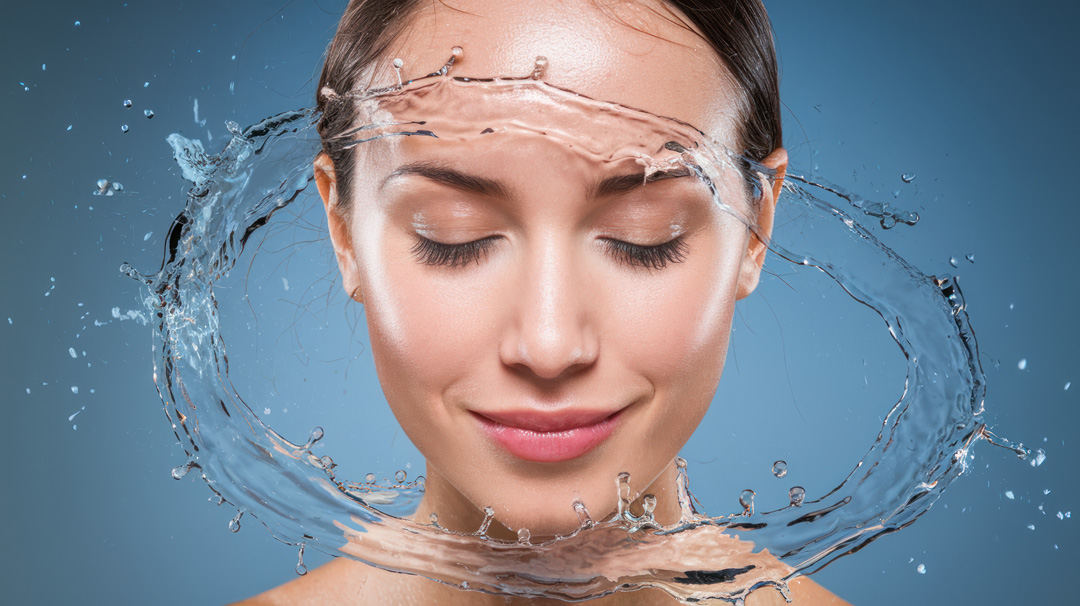
Winter is a period when the skin's natural moisture balance is disrupted due to low humidity and cold weather. This situation leads to problems such as dryness, cracking, and sensitivity in the skin. The moisture injection in winter is an innovative dermocosmetic application that helps increase and protect the skin's moisture. So, is the moisture injection effective in winter? According to Assoc. Prof. Dr. Nur Cihan Coşansu, with the right applications, the moisture injection minimizes the negative effects of winter conditions on the skin.
The moisture injection is a care method enriched with ingredients beneficial for the skin, such as hyaluronic acid, peptides, and vitamins. It provides protection against external factors by strengthening the skin barrier. It is especially an effective solution against skin dryness that increases with the decreasing air humidity and cold of winter.
What Is a Moisture Injection?
The moisture injection is a dermocosmetic treatment that is injected or applied to the skin to provide deep moisturization. The hyaluronic acid in its content increases the skin's water-retention capacity. Nourishing vitamins and antioxidants protect the skin against free radical damage. The components in its content are as follows:
- Hyaluronic Acid: Provides intense and long-lasting moisture to the skin.
- Peptides: Supports skin renewal and elasticity.
- Vitamins (C, E, B5): Provides an antioxidant effect.
- Minerals: Helps balance skin health.
Assoc. Prof. Dr. Nur Cihan Coşansu emphasizes that these ingredients are critical for strengthening the skin's defense mechanism, especially in winter.
Benefits of Moisture Injection Application in Winter
In winter, the skin becomes more sensitive due to the effects of cold weather and wind. The moisture injection offers the following advantages during this period:
- Intense and Long-Lasting Moisturization: Prevents dryness and flaking.
- Strengthening the Skin Barrier: Increases resistance against external factors.
- Radiant and Healthy Appearance: Revitalizes dull skin.
- Reducing Fine Wrinkles: Supports skin elasticity.
Research shows that regular moisture injection applications, in particular, preserve skin health against the challenging conditions of winter.
How Is the Winter Moisture Injection Applied, and Who Is It Recommended For?
The moisture injection should be applied under dermatologist supervision and in sterile conditions. In winter, it is especially a suitable application for:
- Those experiencing excessive skin dryness,
- Those with flaking and cracking problems,
- Sensitive and easily irritated skin,
- People who want to protect themselves from signs of aging.
Mild redness may be observed after the application; however, this condition usually resolves in a short time. Assoc. Prof. Dr. Nur Cihan Coşansu draws attention to the importance of creating a personalized moisture injection protocol for each skin type.

Things to Consider in Moisture Injection Application
- Hygiene and Sterility: The application must be performed in a professional environment.
- Skin Analysis: The ingredients to be used must be determined by a dermatologist.
- Use of Moisturizer: Enhances the effect after the treatment.
- Sunscreen: The skin should be protected after the application.
The moisture injection in winter is an effective dermocosmetic application for meeting the skin's intense moisture needs and providing protection against cold weather conditions. Assoc. Prof. Dr. Nur Cihan Coşansu states that skin health can be preserved with regular moisture support, especially in cold and dry weather. With personalized applications and dermatologist recommendations, the moisture injection is a powerful method that revitalizes and protects the skin during the winter season.