
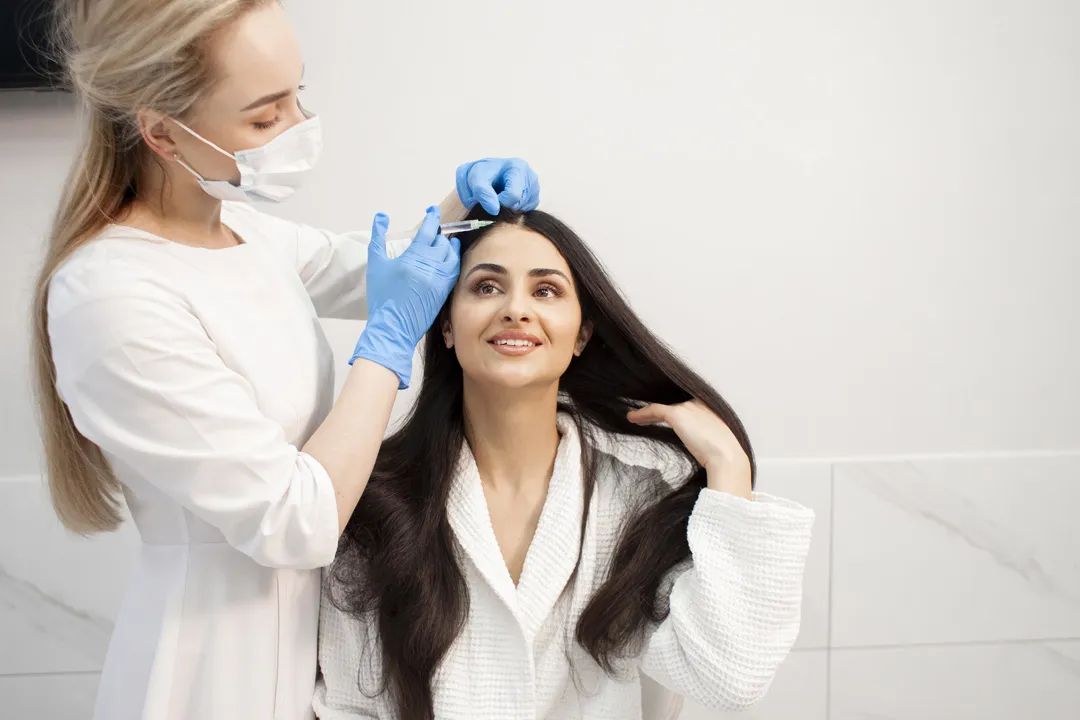
Hair loss is one of the most common problems affecting both women and men. Although losing a certain amount of hair each day is considered normal, excessive hair loss can eventually lead to thinning or loss of hair volume. Factors such as stress, hormonal changes, genetic predisposition, and dietary habits can directly contribute to hair loss.
According to Assoc. Prof. Dr. Nur Cihan Coşansu, the most important step in treating hair loss is accurately identifying the underlying cause. Not all types of hair loss develop for the same reason, and treatment should therefore be personalized.
What Is Hair Loss?
Hair loss refers to losing more hair strands than normal. Hair naturally sheds a certain amount every day as part of its normal growth cycle. Losing approximately 50–100 hairs per day is generally considered normal. However, a significant increase in this amount may require evaluation in terms of hair health.
Excessive hair loss can gradually lead to decreased hair density or thinning of the hair structure. Hair loss that continues for a long time may affect a person's appearance and self-confidence.
Increased hair loss may result in:
- Hair thinning
- Receding hairline or areas of visible scalp
- Loss of volume
- Thinning of individual hair strands
Therefore, identifying the underlying cause of hair loss and seeking professional support when necessary is important.
What Causes Hair Loss?
Hair loss can develop due to many different factors. Genetic predisposition, hormonal changes, lifestyle habits, and certain health conditions can all affect the process. While some cases of hair loss are temporary, the condition may become more persistent in others.
Identifying the underlying cause is particularly important for creating an appropriate treatment plan. The main factors that may contribute to hair loss include:
Genetic Factors
Hair loss may be more common in individuals with a family history of the condition.
Hormonal Changes
Thyroid disorders, the postpartum period, and menopause may affect hair loss.
Stress
Intense stress can disrupt the normal hair growth cycle.
Nutritional Deficiencies
In particular:
- Iron deficiency
- Vitamin B12 deficiency
- Zinc deficiency
- Vitamin D deficiency
- Insufficient protein intake
may negatively affect hair health.
Improper Hair Care
Frequent heat treatments or harsh chemicals can weaken the hair strands.
Certain Diseases and Medications
Some chronic diseases or medications may contribute to hair loss.
What Helps with Hair Loss?
In order to control hair loss, the underlying cause should first be identified. Healthy nutrition, regular sleep, stress management, and proper hair care are among the fundamental steps that can support hair health.
When necessary, treatments such as PRP therapy, mesotherapy, stem cell treatments, medical therapies, and laser treatments may be planned under the supervision of a dermatologist to help strengthen the hair follicles. With regular care and early intervention, it may be possible to reduce hair loss and support hair quality.
1. A Balanced, Protein-Rich Diet
Hair is primarily composed of protein.
Therefore, foods such as:
- Eggs
- Fish
- Yogurt
- Legumes
- Nuts
can support hair health.
A diet rich in iron and zinc is also important.
2. Stress Management for Hair Loss
Lifestyle modifications can be beneficial in cases of stress-related hair loss.
The following methods may provide support:
- Meditation
- Yoga
- Regular sleep
- Breathing exercises
3. Scalp Care for Hair Loss
Maintaining a healthy scalp can help support the hair follicles.
Scalp Massage
Regular massage may:
- Increase blood circulation
- Support nourishment of the hair follicles
4. Dermocosmetic Products
Some topical products may help reduce hair loss.
Minoxidil
Minoxidil is an FDA-approved active ingredient.
However, it should be used under the guidance of a dermatologist.
Supportive Ingredients
Ingredients commonly found in shampoos and serums include:
- Biotin
- Caffeine
- Niacinamide
- Keratin
5. Medical Treatment Options
PRP Therapy
Plasma obtained from the patient's own blood is applied to the scalp and hair follicles.
Mesotherapy
Vitamins and minerals are injected into the scalp.
Laser Treatments
Low-level laser systems may support hair growth.
Medication
In some cases, medication may be prescribed under a doctor's supervision.
Hair Care Tips for Preventing Hair Loss
Avoid Washing Your Hair Too Frequently
Excessive washing may dry out the scalp.
Avoid Harsh Chemicals
Products containing sulfates and strong chemicals may damage the hair strands.
Reduce Heat Treatments
The use of blow dryers, curling irons, and straighteners should be limited and controlled.
Brush Your Hair Gently
Wet hair is more fragile, so aggressive brushing can cause breakage.
When Should You See a Dermatologist?
Professional evaluation is recommended in the following situations:
- Sudden and excessive hair loss
- Localized hair loss
- Itching and redness
- Noticeable recession of the hairline
- Hair loss that continues for a prolonged period
A dermatological evaluation can help determine which tests and treatments may be necessary.
Can Hair Loss Be Completely Prevented?
This depends on the cause of the hair loss.
In many cases where intervention is provided at an early stage, hair loss can be controlled and hair density may be supported.
Hair loss is a common condition that can develop due to genetic predisposition, hormonal changes, stress, nutritional deficiencies, and environmental factors. According to Assoc. Prof. Dr. Nur Cihan Coşansu, successful treatment begins with identifying the underlying cause of hair loss and developing a personalized approach. Hair health can be supported through a balanced diet, proper hair care, stress management, and dermatological treatments when necessary. Early intervention plays an important role in controlling hair loss.