
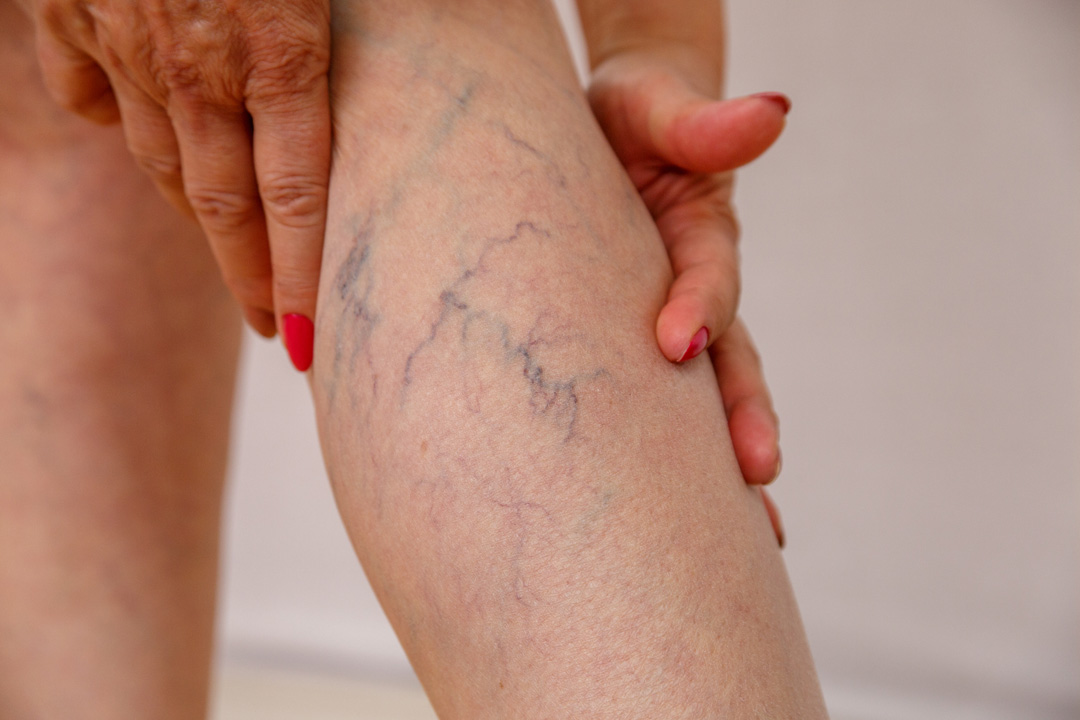
Spider veins are thin vascular structures located close to the surface of the skin. Becoming visible especially in the face and leg areas leads to aesthetic concerns. The types of lasers used in spider vein treatment aim to improve the aesthetic appearance by targeting the veins without burning the skin. According to Assoc. Prof. Dr. Nur Cihan Coşansu, choosing the right laser technology and appropriate application protocols are critically important for successful results.
YAG Laser
- Wavelength: 1064 nm
- Use: Preferred in the treatment of deeply located and thick spider veins.
- Advantages: Penetrates deeply into the vein wall, effectively eliminating it without damaging surrounding tissue.
- Application Method: Pain sensation is minimized with cooling systems.
KTP Laser
- Wavelength: 532 nm
- Use: Suitable for fine spider veins and superficial vascular lesions in the facial area.
- Advantages: Selectively targets veins, protects skin tissue, and the risk of burns is low.
- Feature: Provides a fast treatment process and short recovery time.
Pulsed Dye Laser (PDL)
- Wavelength: 585-595 nm
- Use: Frequently used in the treatment of vascular dilation and rosacea-related redness.
- Advantages: Absorbed by hemoglobin in the vein wall, providing effective and controlled results.
- Note: Temporary bruising is seen after the treatment.
IPL (Intense Pulsed Light)
- Use: Preferred for reducing the appearance of superficial spider veins in large areas.
- Advantages: Thanks to the use of broad-spectrum light, it can be applied on different skin types.
- Disadvantages: It has a more superficial effect compared to laser systems.
PRO YELLOW
- Use: Preferred for rosacea and reducing the appearance of superficial spider veins.
- Advantages: It is the most ideal wavelength absorbed by hemoglobin in the vein wall and has an integrated cooling feature.
- Wavelength: 577nm
- Disadvantages: It may be insufficient for wide and deep vein structures.
What Should Be Considered Before and After Spider Vein Treatment?
- Before the Treatment: Sun protection should be ensured, and the use of blood-thinning medications should be evaluated by a specialist dermatologist.
- During the Treatment: The application must be performed by a specialist dermatologist to minimize side effects.
- After the Treatment: Mild redness and swelling are considered normal, and regular sunscreen use is required.
The laser types used in the treatment offer reliable and effective methods to reduce the appearance of veins on the skin surface. Technologies such as Nd:YAG Laser, KTP Laser, Pulsed Dye Laser, and IPL are selected according to the depth and structure of the spider veins. In addition, according to Assoc. Prof. Dr. Nur Cihan Coşansu, lasting, aesthetic, and safe results are achieved thanks to accurate evaluation before treatment and expert application.