
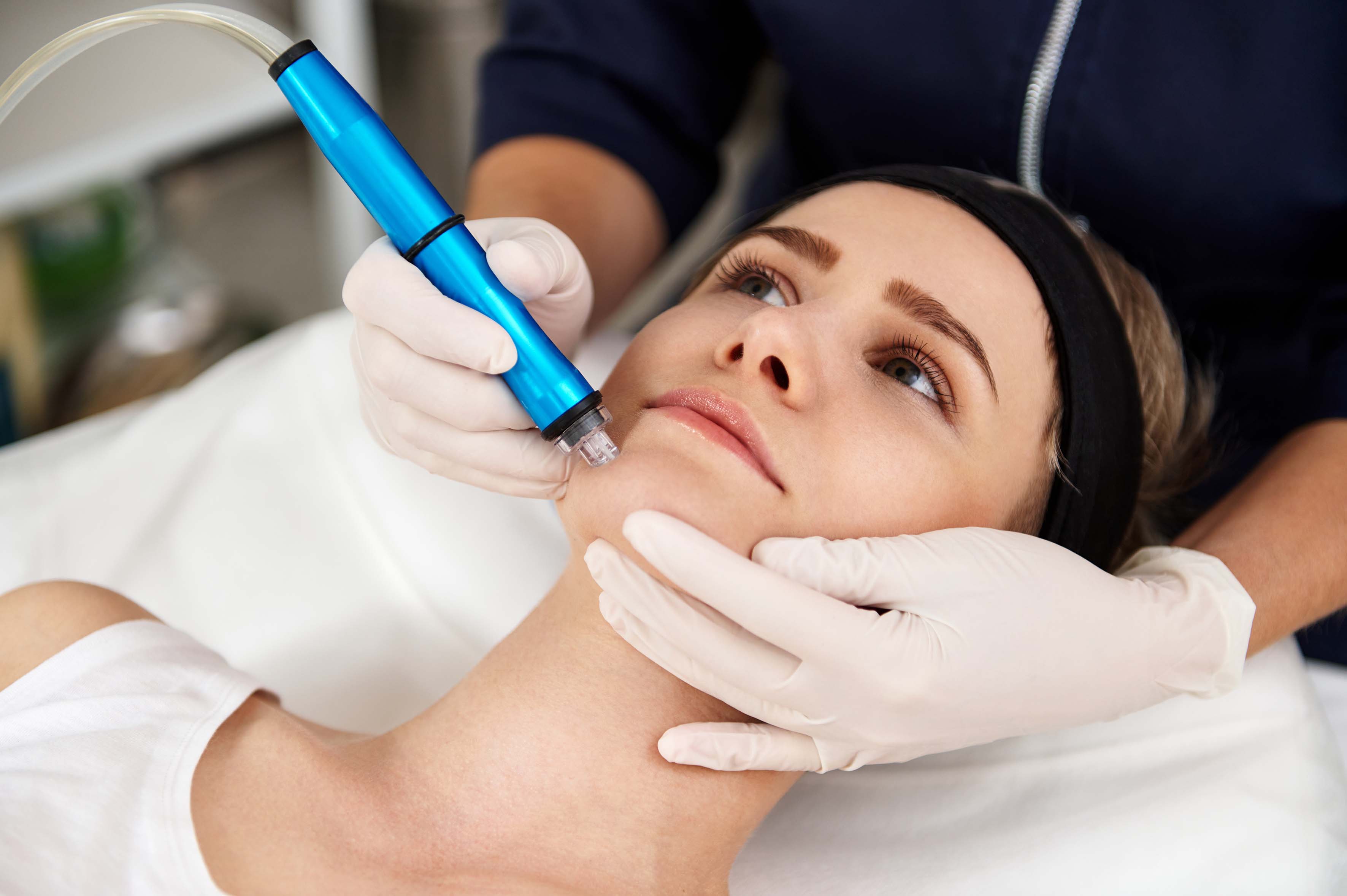
The pigmentation on our skin is an important problem that many of us encounter and seek a solution for. Having accurate information about pigmentation treatment methods is the first step in getting rid of this aesthetic concern.
Why Does Skin Pigmentation Form?
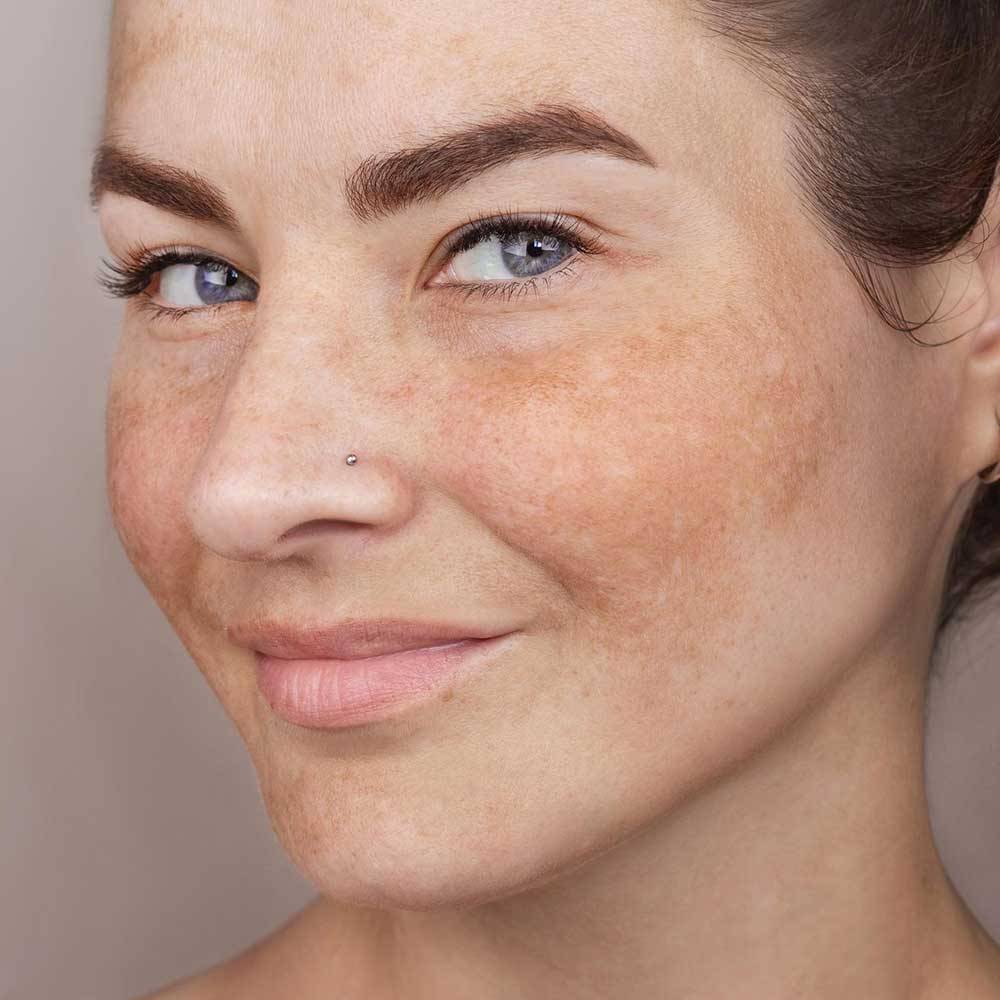
The basis of the formation of skin pigmentation lies in irregularities in the melanin pigment produced by cells called melanocytes. Melanin is the natural pigment that gives our skin its color. For various reasons, the production of this pigment can increase or concentrate in certain areas.
Sun rays are one of the most important causes of pigmentation formation. Prolonged exposure to the sun increases melanin production in the skin and causes the formation of dark spots. Going out in the sun after procedures such as waxing, hair removal, and peeling, especially in the summer months, also increases the risk of pigmentation.
Hormonal changes are also among the important factors that lead to the search for pigmentation treatment methods. Pregnancy (also known as melasma or chloasma (the mask of pregnancy)), birth control pills, and hormone therapies cause tone unevenness in the skin.
Genetic predisposition, aging, and certain diseases also play a role in the formation of skin pigmentation. In addition to these, improper use of cosmetic products, some blood pressure medications, heart medications, and antibiotics can also cause pigmentation in the skin.
Skin pigmentation can also occur after skin injuries such as acne, cuts, or burns, as in the condition known as post-inflammatory hyperpigmentation. Although some of these pigmentations resolve on their own over time, most require pigmentation treatment.
Lifestyle factors are also influential in the formation of skin pigmentation. Insufficient water consumption, smoking, and alcohol use can trigger the formation of pigmentation in the skin. To prevent pigmentation on your skin, paying attention to these factors and using sunscreen regularly is of great importance.
What Methods Are Used in Pigmentation Treatment?
Among the modern pigmentation treatment methods, the most preferred are medical treatment, laser applications, chemical peeling, and mesotherapy. These methods can be applied alone, but can also be used together for more effective results.
Laser Pigmentation Treatment
Laser pigmentation treatment targets the pigment cells in the skin, breaking down the pigmentation and allowing it to be naturally eliminated by the body. Q-Switch lasers are mainly used in pigmentation treatment. Laser sessions for pigmentation treatment should generally be applied in the winter months and once a month. Depending on the size, type, and depth of the pigmentation, a minimum of 2-4 sessions may be required.
Chemical Peeling
Chemical peeling is a method that allows healthy skin to emerge by controlled peeling of the upper layer of the skin. It is especially effective in the treatment of skin pigmentation such as sun spots, acne scars, and melasma. In the application, substances such as glycolic acid, salicylic acid, and trichloroacetic acid are used to initiate the peeling process in the skin. Superficial chemical peeling is applied in 4-8 sessions at 1-4 week intervals, while medium-depth peeling is applied in 2-4 sessions at 2-4 month intervals. A point to consider is that it is not recommended in summer months.
Mesotherapy
Pigmentation mesotherapy is the process of delivering specially prepared lightening contents (active substances) to the middle layer of the skin (mesoderm) through microinjections to treat color unevenness on the skin, especially conditions such as melasma, sun spots, and post-acne hyperpigmentation. Mesotherapy varieties that contain rich ingredients with lightening and anti-inflammatory properties, such as tranexamic acid, kojic acid, niacinamide, and vitamin C, are preferred in pigmentation treatment.
Things to Consider During the Treatment Process
There are important points to consider for the success and permanence of treatment after pigmentation treatment methods are applied. A successful treatment process is not only about choosing the appropriate method. It is possible by meticulously following the pre- and post-treatment care protocols.
It is necessary to stay away from sun rays and chemical tanning products for about a month before starting treatment. Skin pigmentation is mostly caused by sun damage. For this reason, protecting the skin from the sun before treatment directly affects the effectiveness of the procedure.
The most critical point to consider after the procedure is sun protection. Regardless of the type of treatment, one should not go out without using high-factor sunscreen in every season. Particularly after procedures that cause peeling of the skin, such as chemical peeling, one should be more sensitive about sun protection.
Attention should also be paid to the timing of showering in the post-treatment period. Water should not come into contact with the treated area within the first 24 hours after laser pigmentation treatment. In addition, chlorinated swimming pools and hot springs, and activities that cause excessive sweating, should be avoided.
Regular use of moisturizers and protective creams recommended by the specialist is among the factors that increase the success of treatment. In addition, fragrant lotions, aggressive scrubbing products, and creams used in acne treatment should be avoided.
It is important to know that pigmentation treatments do not produce immediate results. The results generally begin to be seen after 15 days to 1 month. In procedures that cause peeling on the skin, peeling begins on the 2nd day. About 1 week is needed for the skin to recover. In conclusion, no matter how effective pigmentation treatment methods are, the care shown during and after treatment is at least as important as the treatment itself for the permanence of the results. Following the recommendations of your specialist is the key to getting maximum benefit from the treatment.