
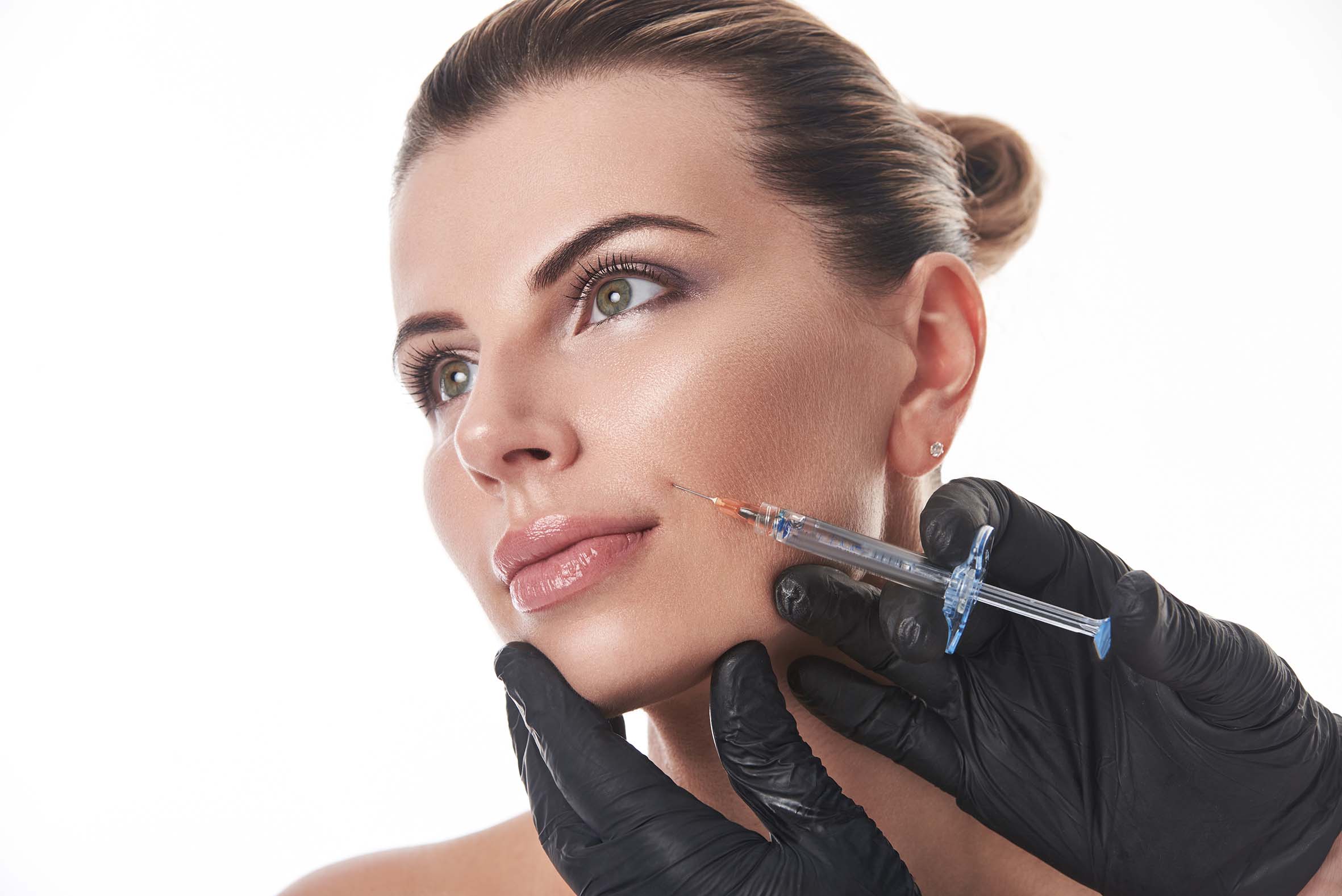
Facial filler options are among the most preferred treatments in aesthetics in recent years. Because they do not require surgery and offer fast results, they have become popular. Specialists offer a variety of filler options for different needs.
What Is a Facial Filler?
Facial filler is an aesthetic treatment in which substances are injected into the dermis or subcutaneous tissue to correct flaws or restore lost volume. The procedure is an effective solution for changes in your face that develop with age.
With age, the face loses natural subcutaneous fat, making smile lines and crow's feet more visible. Sun exposure, genetics and lifestyle also contribute to volume loss. Facial filler options have been developed as solutions to all of these.
Why Is It Done?
Fillers are basically used to fill wrinkles, depressions, cracks and sagging on the face. They are particularly useful for restoring volume to the cheeks, temples and cheekbones. They can also be preferred to plump thin lips, define facial contours, improve the appearance of acne and other scars, refine the nose bridge and reduce under-eye volume loss.
Filler applications are simple, fast and non-surgical. Effects are usually seen immediately, although the full effect of hyaluronic acid fillers develops in week 2. In the right hands, application is very quick and painless.
Today's fillers are grouped into three main categories by content: temporary, semi-permanent and permanent. The most common is temporary fillers containing hyaluronic acid, which is also found naturally in our body. These last 6-18 months, while semi-permanent fillers can last 12-24 months.
What Are the Types of Facial Fillers?
Today, various facial filler types are used in aesthetic medicine for different needs. These are classified by content, duration and mechanism of action. Each has its own advantages.
Hyaluronic Acid Filler
Hyaluronic acid filler is an aesthetic procedure in which a synthetic form of the body's natural hyaluronic acid is injected. It hydrates and plumps the skin, reducing wrinkles and restoring volume. It is often used on the face, lips, chin and under-eye areas. Because its structure is similar in everyone, the risk of allergic reaction is low. Longevity depends on skin type, injection type and amount. Temporary fillers last 6-12 months and semi-permanent ones 12-24 months.
Calcium Hydroxyapatite Filler
Calcium hydroxyapatite is an advanced filler used to reduce aging signs and firm the skin. Its content includes natural minerals and is biocompatible. It not only adds volume but also stimulates collagen production for long-lasting rejuvenation. It is used to define the cheeks, chin, cheekbones and jawline. Effects average 18 months.
Poly-L-Lactic Acid Filler
Poly-L-Lactic Acid (PLLA) filler is an effective medical aesthetic procedure that triggers the body's natural collagen production against aging. Its microparticles provide rejuvenation in the skin. Unlike other fillers, it provides gradual effect rather than instant volume. Its effect begins within 3-6 weeks of the first application and a 3-session treatment is usually required for full effect. Average longevity is around 2 years, sometimes extending to 2-3 years.
Polycaprolactone Filler
Polycaprolactone (PCL) is a biodegradable polymer popular in skin rejuvenation. PCL fillers boost collagen production for long-lasting rejuvenation. Called a "smart filler," it stays in tissue for a long time. While the carboxymethyl cellulose gel dissolves in 2-3 weeks, PCL microspheres stimulate collagen synthesis. Effects last 1-4 years.
Comparison of Filler Types
When choosing among facial filler types, consider longevity, naturalness and allergy risk. The most suitable filler should be determined based on your needs.
Temporary vs. Semi-Permanent Fillers
Temporary fillers dissolve within 1 year while semi-permanent fillers lose their effect after 1-2 years. Temporary hyaluronic acid fillers are well tolerated due to their biological structure, but effects generally last 6-9 months. Semi-permanent fillers such as calcium hydroxyapatite can last 18 months or more. Permanent fillers (silicone, polymethylmethacrylate, etc.) can stay over 2 years, but in many European countries their use is highly regulated and limited.
Naturalness and Allergy Risk
The naturalness of facial filler material is important for allergy risk. Because hyaluronic acid is also naturally found in the body, allergic reaction risk is very low. With synthetic fillers, the likelihood of side effects and allergic reaction is higher. FDA-approved hyaluronic acid-based fillers have proven safety in clinical trials. Cheap, low-quality filler materials increase infection and allergy risk.
Duration of Effect and Application Frequency
Effect duration varies by area of application, filler type, skin structure and lifestyle. Hyaluronic acid fillers average 8-12 months of longevity, while semi-permanent fillers like polylactic acid and polycaprolactone can last 2 years or more. The full effect usually takes 10-15 days. Lifestyle factors can affect filler life. Smoking and excessive sun exposure can significantly shorten the duration. Repeating treatment every 4-5 months, without waiting for the effect to fade completely, is recommended.
Filler Application Areas and Longevity
Facial filler types can be applied to different areas of the face and show different longevity by area and material. Recent technological developments offer fillers customized for various needs.
Lips, Cheeks, Chin and Under-Eye
Temples, cheekbones, cheeks, mouth corners, chin and around the eyes are the most common filler areas.
- Lip filler lasts 6-12 months but fades faster due to constant movement.
- Under-eye light filler lasts 6-18 months and requires precision.
- For cheeks, hyaluronic acid lasts 6-18 months, calcium hydroxyapatite 12-18 months and polycaprolactone 1-2 years.
- In the chin area, hyaluronic acid lasts 6-12 months.
Settling Time of Filler
Facial filler types show visible results immediately after injection, but full tissue integration takes 2-4 weeks. Hyaluronic acid fillers generally take their final shape in 15-30 days. Most swelling subsides within the first 2-3 days and the overall form appears. About 15 days are needed for swelling to subside completely and for the filler to fully settle.
Factors Affecting Longevity
Filler longevity is influenced by various factors. Age, skin structure and metabolism vary by person. Mobility of the area also matters; in mobile areas like the lips, filler dissolves faster. Adequate water intake and well-hydrated skin extend filler life. Smoking and excessive sun or tanning beds can reduce longevity.
In conclusion, facial filler applications are one of the most effective non-surgical rejuvenation methods today. With different fillers for different needs, a personalized approach is ideal. The main goal in all facial filler treatments is to reduce signs of aging while preserving naturalness. Long-term, satisfying results are possible with regular care and periodic touch-ups.