
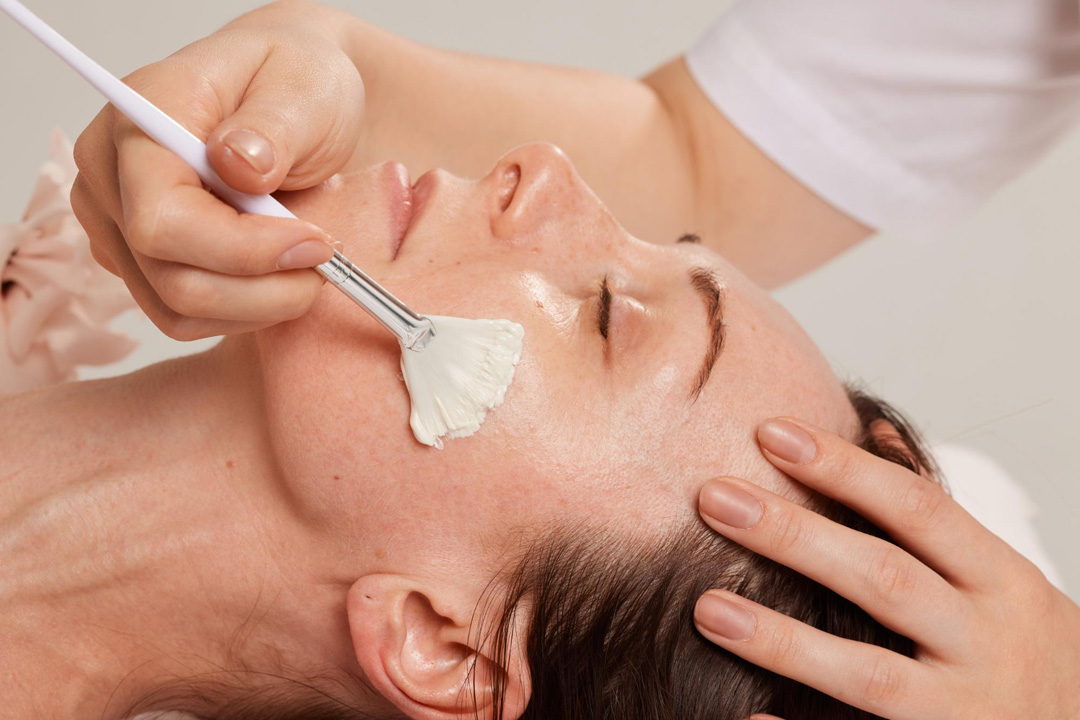
Enzymatic peeling is a natural method that gently exfoliates the skin using fruit enzymes. It is an excellent option for sensitive skin or those who do not respond well to chemical peels. In this article, we will explain in detail what enzymatic peeling is, how it works, and its benefits.
What Is Enzymatic Peeling?
Enzymatic peeling is an exfoliation method that uses natural enzymes obtained from various fruits. The enzymes typically used include:
- Papain: Obtained from papaya fruit
- Bromelain: Obtained from pineapple
- Lactic Acid: Obtained from milk
- Pumpkin Enzyme: Obtained from pumpkin
These enzymes break down the bonds between dead skin cells, allowing them to be naturally exfoliated.
How Does Enzymatic Peeling Work?
The working mechanism of enzymatic peeling is as follows:
- Enzyme Activation: Enzymes are activated upon contact with the skin.
- Identification of Dead Cells: Enzymes target dead skin cells.
- Breaking Bonds: The bonds between cells are broken.
- Gentle Exfoliation: Dead cells are removed without damaging the skin.
- Cell Renewal: Increases the renewal rate of healthy cells.
Benefits of Enzymatic Peeling
1. Skin Renewal
Provides skin renewal by removing dead cells. Supports the formation of new and healthy cells.
2. Bright Skin
Gives the skin a bright and radiant appearance. Eliminates dullness.
3. Even Skin Tone
Improves uneven skin tone. Helps reduce pigmentation.
4. Pore Reduction
Helps reduce pore size. Provides smoother skin.
5. Effective on Acne
Effective in acne and blackhead treatment. Cleanses pores.
6. Anti-Aging Effect
Reduces signs of aging by stimulating collagen production.
7. Suitable for Sensitive Skin
Can be safely applied to sensitive skin. Has low risk of irritation.
How Is Enzymatic Peeling Applied?
- Skin Cleansing: The skin is first thoroughly cleansed.
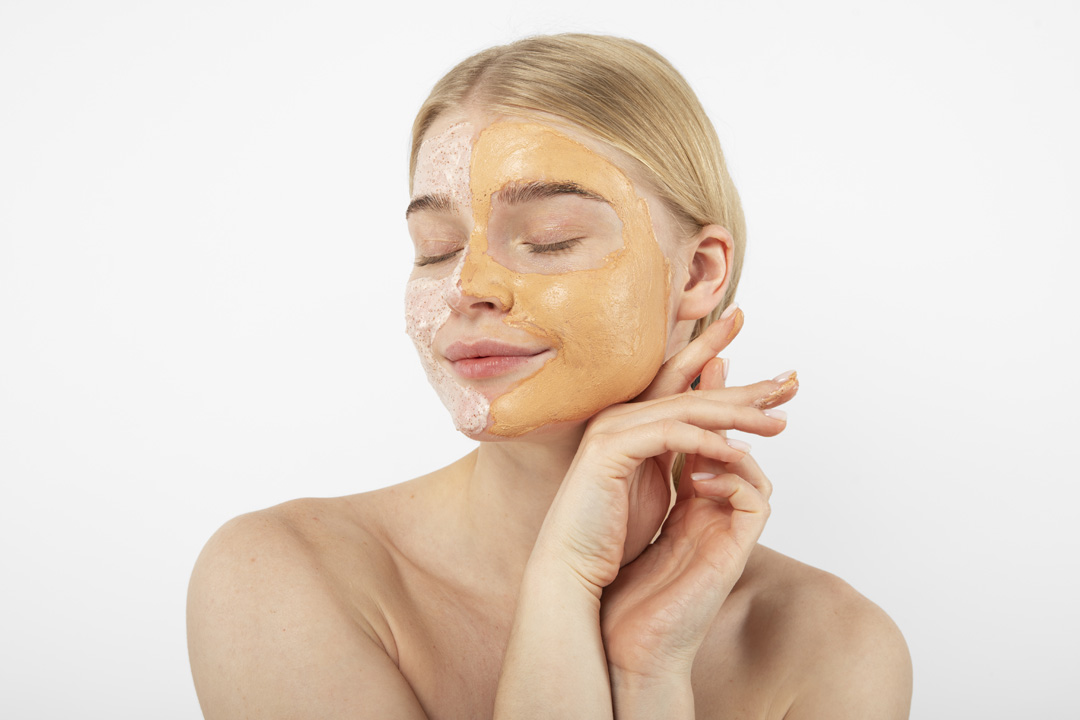
- Product Application: The enzymatic peeling product is applied evenly to the skin.
- Waiting Time: Wait for 10-20 minutes for the enzymes to work.
- Rinsing: Gently rinsed with warm water.
- Moisturizing: A soothing moisturizer is applied.
- Sun Protection: Sunscreen is applied.
Application Frequency
Enzymatic peeling can be applied 1-2 times a week. Application frequency varies based on skin type:
- Normal Skin: 2 times a week
- Sensitive Skin: Once a week
- Dry Skin: Once a week
- Oily Skin: 2-3 times a week
Things to Pay Attention to
- Test the product in a small area before initial application
- Do not exceed the recommended duration
- Apply sunscreen after application
- Avoid harsh products
- Stay away from hot water
Side Effects
The side effects of enzymatic peeling are usually mild and temporary:
- Mild redness
- Tingling
- Slight tightness
- Increased sensitivity
These effects usually subside within a few hours.
Enzymatic peeling is an excellent option for those seeking healthier and more radiant skin. With its natural ingredients and gentle application, it can be safely used on all skin types. With the recommendations of an expert dermatologist, you can include enzymatic peeling in your skincare routine.