Minimally invasive procedures have attracted significant interest among dermatologists in recent years. Unlike traditional open surgical procedures, they aim to achieve treatment goals while causing minimum damage to surrounding tissues. These techniques have driven revolutionary progress in medicine, especially in increasing patient comfort and accelerating the healing process.
What Is Minimally Invasive?
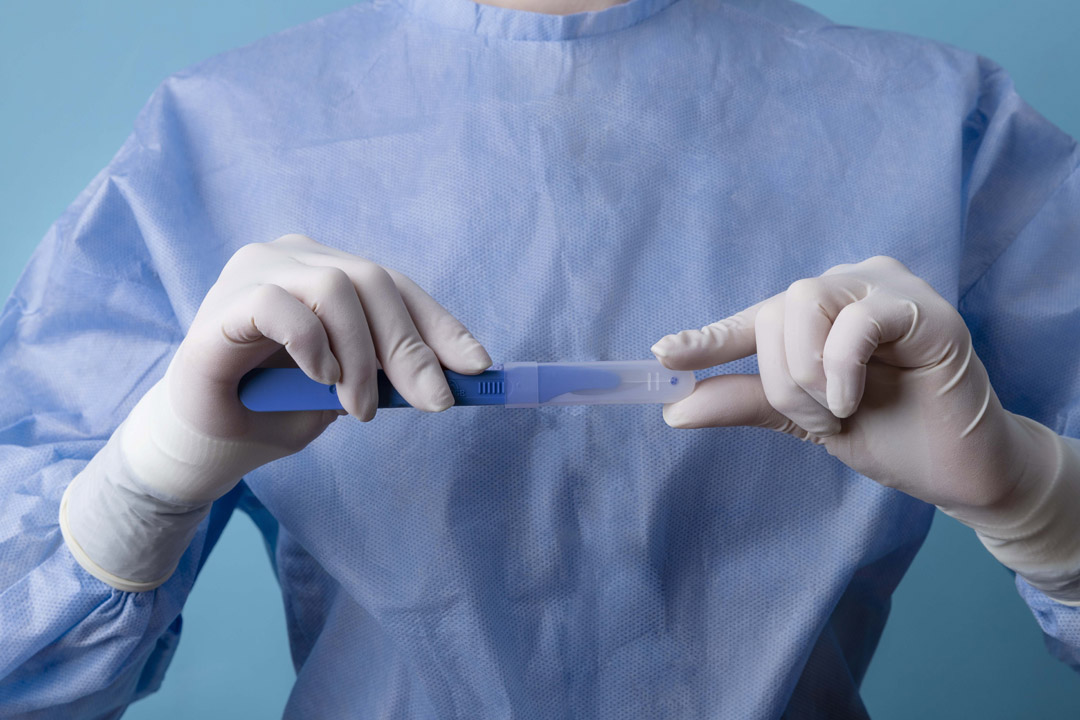
The term minimally invasive describes medical interventions performed without large incisions, using small access points or natural body openings. Traditional open procedures involve direct intervention through wide incisions, whereas minimally invasive methods minimize tissue damage thanks to specialized instruments and imaging technologies.
In dermatology, minimally invasive techniques cover procedures performed on the skin with small interventions. They are typically carried out using specialized cameras, fine instruments and precision equipment. Particularly in cosmetic dermatology, they can deliver treatment without leaving major scars. These techniques significantly increase patient satisfaction.
The question of what minimally invasive means can essentially be answered as "the approach that causes the least damage." The main advantages of this approach in dermatology include:
-
Less pain is felt.
-
Healing time is shorter.
-
The risk of complications is low.
-
Patients can return to daily activities sooner.
-
Aesthetic results are more satisfying.
Overall, minimally invasive techniques are patient-friendly methods that dermatologists can use across a wide range of procedures, from minor surgical interventions to dermatological treatments.
Dermatological Approach in Minimally Invasive Procedures
In cosmetic dermatology, minimally invasive procedures stand out as preferred methods for improving skin health and appearance. Dermatology specialists aim for the most effective results by creating personalized treatment plans tailored to the patient's skin type and concerns.
Minimally invasive methods include botulinum toxin (Botox) injections, dermal fillers, laser treatments, chemical peels and skin rejuvenation treatments. In particular, hyaluronic acid-based fillers are used on the lips, chin, cheeks and under-eye area to restore volume loss and refine facial contours.
Microneedling and mesotherapy are among the best examples. In the microneedling technique, automated vibrating needles create controlled micro-injury in the skin and stimulate collagen production. In mesotherapy, active substances such as vitamins, minerals and amino acids are injected into the middle layer of the skin, supporting renewal and firming. In the dermatological approach, skin rejuvenation treatments are applied to soften wrinkles and give the skin a more vibrant appearance. This reduces visible signs of aging while delivering a natural, balanced aesthetic outcome.
Methods and Mechanisms of Action
Thanks to technological progress, minimally invasive techniques deliver groundbreaking results in dermatology. These methods address skin concerns while keeping tissue damage to a minimum.
The main minimally invasive methods used in dermatology are:
-
Botulinum toxin (Botox) injections: wrinkle and sweating treatment.
-
Filler injections (hyaluronic acid, calcium hydroxyapatite, etc.): facial volume loss, deep wrinkles, contour correction.
-
Mesotherapy: skin hydration, elasticity, radiance boost.
-
PRP (Platelet Rich Plasma): skin rejuvenation and hair loss treatment using growth factors from the patient's own blood.
-
Microneedling (Dermapen, dermaroller): stimulates collagen production to treat scars, pigmentation, pores and wrinkles.
-
Chemical peeling: superficial skin renewal, acne and pigmentation treatment.
-
Laser and energy-based systems: fractional laser, CO₂ laser, IPL, radiofrequency, HIFU.
These techniques are designed to cause as little damage to the skin as possible. Procedures performed through small incisions or natural openings shorten healing time and lower the risk of complications.
In addition, they offer reduced pain, fast recovery and better cosmetic outcomes. Patients can return to daily life sooner and enjoy a high level of post-treatment comfort.
Areas of Application and Clinical Successes
The success of minimally invasive techniques has been demonstrated across many fields of medicine. In dermatology, these methods deliver impressive results, particularly in skin rejuvenation, acne treatment and pigmentation concerns.
Their success in dermatology stands out in the following areas:
-
Skin renewal and rejuvenation procedures
-
Acne and scar treatments
-
Pigmentation disorders
-
Resolution of minor skin issues
As a result, the clinical success of the minimally invasive techniques we use in dermatology practice helps patients recover faster, return to daily activities sooner and significantly improves quality of life.