
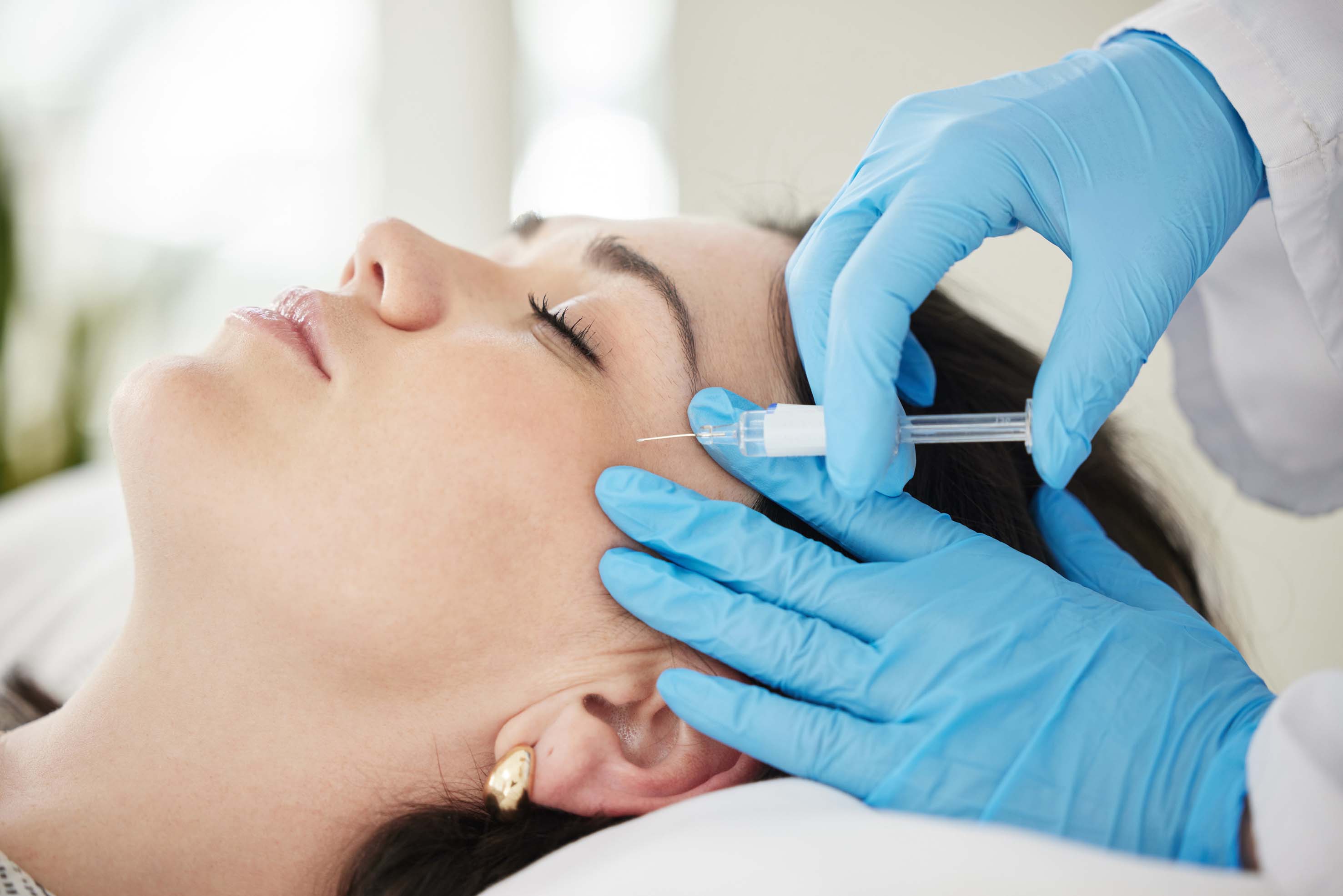
The Poly-L-Lactic Acid (PLLA) filler treatment is an innovative, long-lasting aesthetic solution. Unlike traditional fillers, it can last up to 18-24 months. This substance not only provides temporary plumpness but also supports the skin's collagen production, initiating a renewal process from within.
What Is Poly-L-Lactic Acid (PLLA)?
Poly-L-Lactic Acid (PLLA) is a synthetic polymer that, thanks to its biocompatible structure, is fully resorbable in the body. Because it is metabolized naturally like lactic acid, it can be used safely in dermatology. PLLA fillers have been approved and used widely in aesthetic dermatology since the 2000s.
Effects of PLLA Fillers on the Skin
The most notable feature of Poly-L-Lactic Acid is that it does not simply create filler volume. It also stimulates the skin's collagen production for long-term renewal. When injected under the skin, PLLA particles increase fibroblast activity, increasing dermal thickness and collagen levels. PLLA particles trigger a mild inflammatory response after injection, activating fibroblasts and increasing collagen synthesis, with skin thickening and firming as a result.
Collagen is a structural protein that gives the skin firmness and elasticity. As a result, vitality and improvement are seen after application. Fine lines and wrinkles become less visible, and the skin looks firmer and more vibrant. Effects appear gradually - initial results within 3-6 weeks, full effect within 3-6 months, lasting on average 18-24 months.
Poly-L-Lactic Acid Filler Application: How Is It Done?
Before PLLA application, the treatment area is cleaned with an antiseptic solution. Topical anesthetic creams are used for patient comfort. PLLA is then injected under the skin using specialized microneedles or cannulas. The procedure typically takes 15-30 minutes, so patients can usually return to social life the same day.
The most important post-procedure step is massage. To distribute Poly-L-Lactic Acid particles evenly, the "5-5-5 rule" should be followed: massage 5 times a day, for 5 minutes, for 5 days. This reduces the risk of nodules at the injection site. Avoid strenuous exercise in the first 24-48 hours. Saunas, hot showers and sun exposure should also be avoided.
Poly-L-Lactic Acid treatment offers a different approach from traditional fillers. It does not simply create surface volume; instead, it triggers natural collagen production for lasting, internal renewal. Because results emerge over time, patience is required. For these reasons, it is ideal for those seeking a more natural, long-lasting effect.